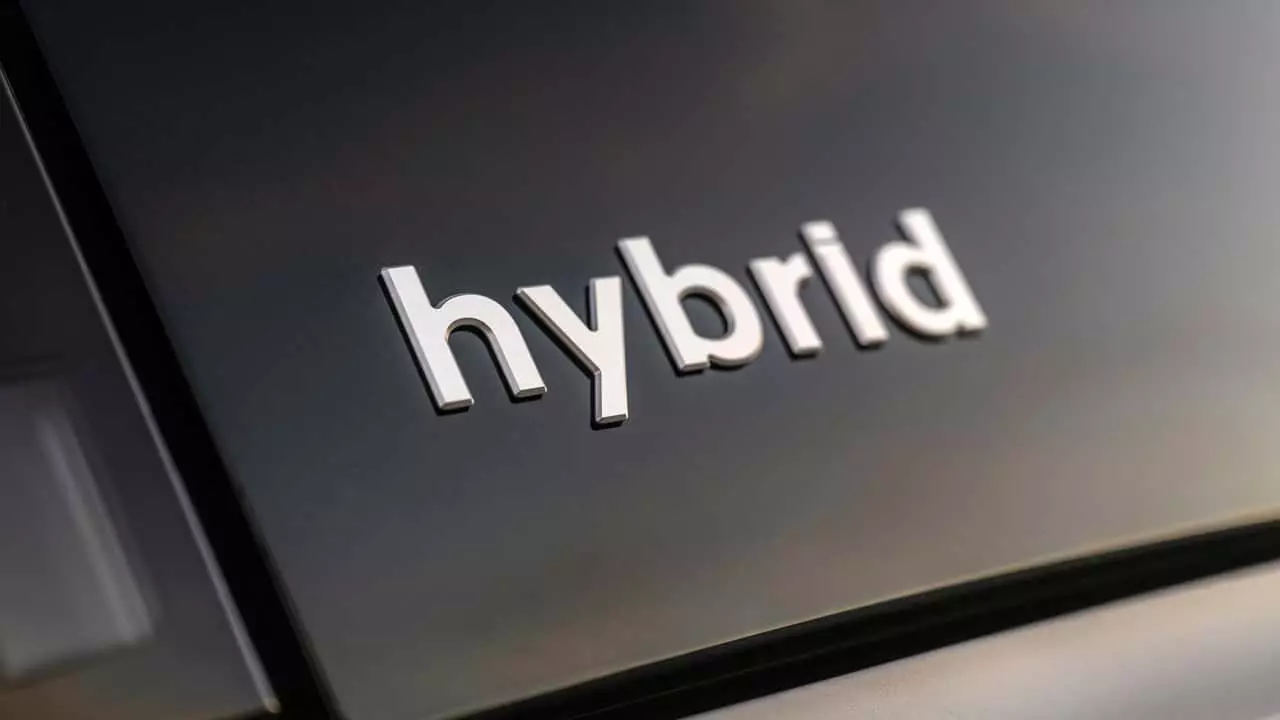
Hyundai Considering Hybrid-Only Models Following Toyota's Success
ByBrock Yates
Hyundai is reportedly evaluating a strategy to transition some of its core vehicle lines to exclusively hybrid powertrains, drawing inspiration from Toyota's recent successful implementation of a similar approach. This potential shift highlights the growing emphasis on fuel-efficient technologies and the evolving landscape of the automotive industry.
Toyota's Hybrid-Only Model Paves the Way for Hyundai
Toyota has recently transitioned several of its prominent models, such as the Camry, Land Cruiser, RAV4, Sequoia, and Sienna, to be exclusively available with hybrid powertrains. This strategic move has proven highly successful, prompting other major automakers, including Hyundai, to consider adopting a similar approach for their own vehicle lineups.
Hyundai's Contemplation of a Hybrid-Centric Future
Gavin Donaldson, CEO of Hyundai Australia, has indicated that the company is actively exploring the idea of making its mainstream vehicles predominantly hybrid. He acknowledges Toyota's significant achievements in hybridization and believes that a move from traditional internal combustion engines (ICE) to hybrids and electric vehicles (EVs) is an "inevitable" progression for the industry.
The Current Hybrid Landscape in the US Market
In the United States, Toyota offers a mix of gasoline and hybrid options for seven models, while eight models are now exclusively hybrid. Only four models remain purely gasoline-powered, considering distinct variations like the Corolla Hatchback and GR Corolla. This demonstrates a clear lean towards hybrid dominance in Toyota's offerings.
Hyundai's Evolving Powertrain Strategy
Historically, Hyundai's powertrain strategy has been more diverse, encompassing a wider range of options including full electric vehicles, plug-in hybrids, hydrogen fuel cell vehicles, and traditional internal combustion engines. The current discussions mark a significant consideration for a departure from this varied approach, signaling a potential focused shift towards hybrids as a primary offering.
Balancing Tradition with Innovation: The Future of ICE Vehicles
While the focus is shifting, Hyundai's Australian CEO noted that certain models currently offered with ICE powertrains might be retained if viable alternatives are not readily available. This suggests that smaller, more budget-friendly vehicles, which might not benefit as much from the added cost of a hybrid system, could continue to be offered with conventional engines. Conversely, larger models like the Sonata, Santa Fe, and Palisade are prime candidates for an all-hybrid transition, given the performance and efficiency benefits.
The Advantages of Hybrid Technology
Despite some consumer misconceptions, hybrids operate seamlessly like conventional internal combustion engine vehicles but offer significantly enhanced fuel economy. Apart from niche performance cars, heavy-duty trucks, and entry-level economy cars, there are compelling reasons for most vehicles to incorporate hybrid powertrains in the near future. The incremental cost of hybrid technology is often minimal, many hybrid models boast greater power output than their pure ICE counterparts, and the long-term fuel savings can quickly offset the initial price difference over the vehicle's lifespan.
About the author
Brock Yates
Legendary automotive journalist who created the Cannonball Run and wrote for Car and Driver.