Hollywood's Renewed Optimism: A Glimmer of Hope at AFM 2026
ByChimamanda Ngozi Adichie
Despite persistent industry disruptions, a renewed sense of optimism permeates the atmosphere as film executives gather in Los Angeles for the American Film Market. Independent and specialized films have recently seen notable success at the North American box office, hinting at a promising future for cinematic ventures.
Resurgence in Independent Cinema and Audience Engagement
The recent American Film Market (AFM) in Los Angeles has brought forth a palpable sense of renewed hope within the film industry. A series of unexpected box office triumphs have underscored the vitality of independent and specialized cinema, inspiring executives and filmmakers alike. Notably, the sequel, Godzilla Minus Zero, distributed by GKIDS and Toho, defied expectations with an impressive estimated opening of $32 million. This figure significantly surpassed initial projections, marking it as the largest foreign-language live-action debut since 2004's Hero, a film that garnered $17.8 million.
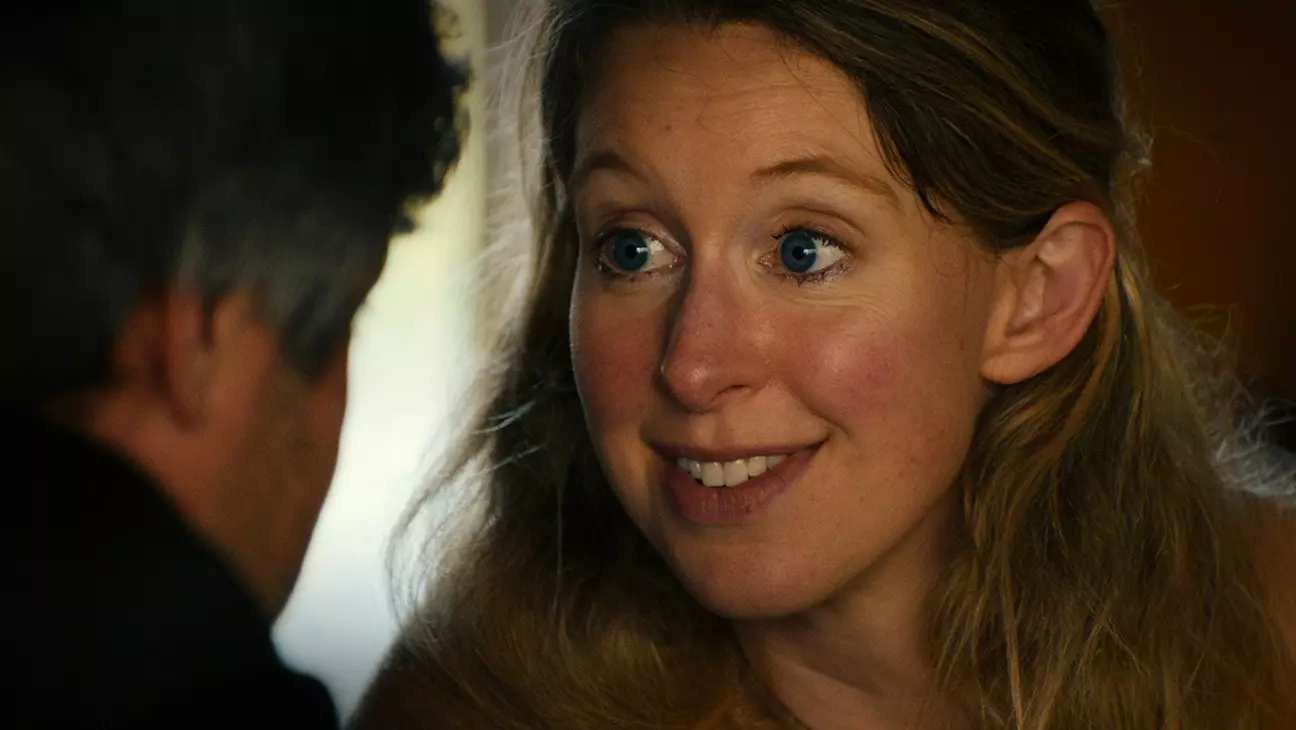
Adding to this wave of success is A24's documentary, You Can See Everything, a compelling work by Nathan Fielder and Lance Oppenheim focusing on Elizabeth Holmes. The film is approaching blockbuster status, having already accumulated nearly $80 million domestically. This achievement is particularly remarkable given the historical challenges non-fiction films face in the theatrical market, and its international release is just beginning. Furthermore, niche programming is also proving its commercial viability. Angel Studios' faith-based production, Drummer Boy, directed by Ben and Joel David Smallbone, debuted with approximately $9 million. Concurrently, Nitesh Tiwari's Indian epic, Ramayana: Rise of a Legend, handled by Sony in the U.S., secured an estimated $8.6 million in its inaugural weekend, achieving the widest domestic release ever for an Indian film.
The independent horror genre has also experienced a remarkable surge, with titles such as Obsession amassing over $500 million globally, Backrooms exceeding $400 million, and the self-distributed Iron Lung bringing in over $50 million. These successes collectively contribute to a positive sentiment surrounding this year's AFM.
According to Sarah Lebutsch, head of sales at Protagonist Pictures in the U.K., these box office results demonstrate a crucial takeaway: audiences are not only returning but are notably younger. She highlights You Can See Everything as a prime example of how strategic marketing and opportune timing can lead to a major hit. Lebutsch expresses particular encouragement regarding the demographic of ticket buyers, observing a significant resurgence of Gen Z and Gen Alpha attending films together in cinemas. This trend signals a promising shift in audience engagement.
Policy initiatives are also poised to provide substantial support to the film industry. California Governor Gavin Newsom is advocating for a significant expansion of the state's film and television tax credit program, proposing an increase from $750 million to $1 billion annually. This incentive is vital for retaining production within the state. Additionally, Governor Newsom supports a bipartisan congressional effort, endorsed by President Trump, to establish a national film and television tax incentive that would complement existing state credits. For independent producers, this federal layer of financial support would be a transformative development, greatly assisting in project financing.
The pre-sale market, a longstanding pillar of the AFM, continues to demonstrate its resilience. Lebutsch confirms Protagonist's consistent success at the AFM through pre-sales, noting the presence of major international buyers seeking new film packages. Protagonist, for instance, plans to showcase It's All Right, a film starring Paul Bettany as an aging rock star and Asha Banks as a rising singer who unknowingly is his forgotten daughter from a past liaison.
A significant topic of discussion at this year's AFM revolves around the burgeoning online creator-to-director pipeline. Many of the most successful young horror directors honed their skills and cultivated their fan bases online before achieving theatrical breakthroughs. Veteran horror producer Steven Schneider, known for works like Paranormal Activity and Insidious, whose company Spooky Pictures recently celebrated the success of Hokum with a $25 million worldwide gross on a $5 million budget, emphasizes that the film industry can gain valuable insights from creators. He notes that storytelling can transcend traditional forms, beginning online and expanding through short-form videos to build awareness and excitement. Creators, he states, have displayed remarkable skill in connecting with their audiences where they are.
However, Schneider also cautions that online success does not automatically translate to cinematic triumph. He stresses the enduring value of traditional storytelling conventions and techniques. While innovation is crucial for bridging the gap between online and theatrical audiences, respecting the distinct differences in these forms is equally important. He asserts that traditional filmmaking, through its intricate narratives, can forge deeper and more profound connections with audiences, and this craft should not be undervalued in pursuit of virality or instantaneous gratification.
While not every independent project at the AFM will achieve the monumental success of a film like Obsession or You Can See Everything, the current landscape offers compelling reasons for optimism. Audiences are actively returning to theaters, the prospect of enhanced U.S. tax incentives is on the horizon, and a new generation of filmmakers is drawing younger demographics into cinemas. For a market that, for a considerable period, seemed to be facing an irreversible decline, these developments collectively provide a significant cause for celebration and hope.
The current resurgence of audience engagement, particularly among younger demographics, is a powerful indicator of the enduring appeal of the cinematic experience. This trend, combined with evolving industry support mechanisms, suggests a vibrant future for independent film. Filmmakers and distributors who can adapt to changing consumption habits while upholding the art of compelling storytelling are well-positioned to thrive in this exciting new era for cinema.
About the author
Chimamanda Ngozi Adichie
Acclaimed novelist ("Americanah") whose essays and talks offer sharp critiques of culture and feminism.