Hollywood's Bid for Federal Film Incentive Gains Momentum Amidst Political Crossroads
ByRicky Gervais
The American film industry finds itself at a pivotal juncture, with a significant push for a federal production incentive gaining traction. The initiative, poised to reshape the landscape of movie and television production in the United States, is currently a focal point of discussions among industry leaders and policymakers.
Federal Film Incentive Nears Crucial Year-End Vote
As the American Film Market (AFM) convened, a pressing issue dominated discussions: the proposed U.S. federal production incentive. Josh Rogin, the Motion Picture Association's senior vice president of federal government affairs, emphasized on Tuesday that such an incentive would fundamentally transform the film and television sector. Despite palpable optimism surrounding the proposal, a degree of apprehension has emerged among its advocates. Producers are urgently appealing to Congress to enact the legislation before the year concludes, capitalizing on the current, albeit delicate, bipartisan support and President Trump's endorsement.
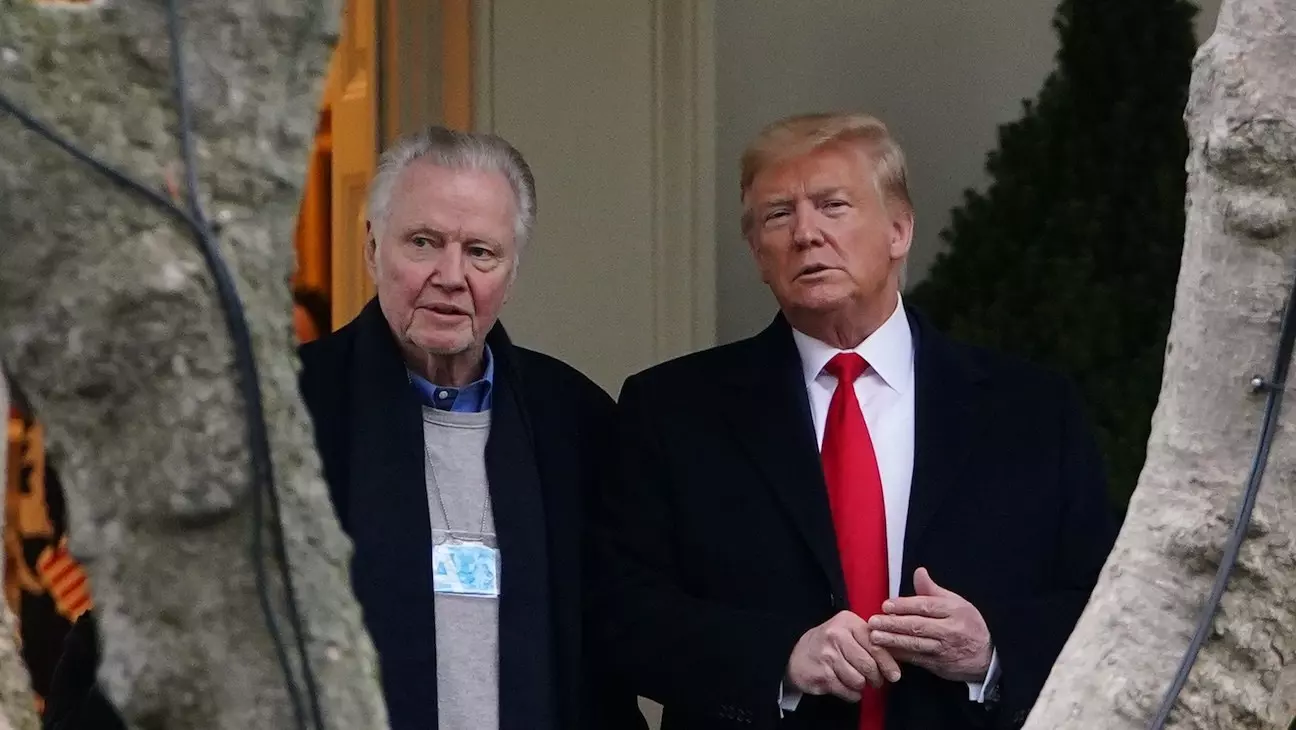
Steven Paul, Chairman and CEO of SP Media Group, underscored the critical need for swift action: "We must get this accomplished before the end of the year to facilitate project planning for 2027." Paul, alongside SP Media president Scott Karol, has actively collaborated with actor Jon Voight, serving as President Trump's special ambassador to Hollywood, to champion this revival of U.S. production. Their combined efforts, supported by the Motion Picture Association, have remarkably transformed the long-cherished industry aspiration for a federal incentive into a rare consensus across the political spectrum, uniting left-leaning Hollywood and lawmakers from both major parties.
President Trump publicly voiced his support for a federal incentive in August. This endorsement was followed by the introduction of the Motion Picture, Television, and Entertainment Revitalization Act in September by Senators Tim Scott (R-S.C.) and Adam Schiff (D-Calif.), with House backing from Republicans Nathaniel Moran and Brian Jack, alongside Democrats Linda Sánchez and Laura Friedman.
The proposed legislation outlines a 20 percent credit for eligible U.S. production wages, with the potential to reach up to 30 percent through additional bonuses, particularly for independent productions. This credit, designed to supplement existing state incentives, would also be transferable. However, the recent shift in the political landscape following the midterm elections has amplified the urgency. With the Senate slated for adjournment on December 18, proponents have approximately five weeks to secure the bill's passage. Failure to pass the legislation before the current Congress concludes would necessitate its reintroduction in the new Congress, potentially triggering renewed debates over its cost and eligibility criteria, alongside fresh negotiations on legislative priorities. A significant concern among supporters is the potential erosion of momentum as Washington's focus shifts towards anticipated confrontations between President Trump and the incoming Democratic majorities, risking the evaporation of presidential support as political tensions heighten.
During an October 30 campaign rally in Florida, President Trump humorously noted Hollywood liberals' appeals for support, stating, "They want tax credits for Hollywood because Hollywood's dying. And I'll probably do it. Should I do it? Probably." Karol reiterated the necessity for immediate passage at the AFM, citing concerns about the political climate once Democrats assume control of both chambers and the potential for President Trump to become a "lame duck."
Moreover, many within the industry desire prompt passage to enable producers to effectively plan their budgets and leverage the new support, particularly given the current positive momentum at the box office, thereby averting another period of uncertainty. Karol added, "They need assurance that if it passes in December, any film commencing principal photography on or after January 1, 2027, will qualify for this substantial new incentive—which would be transformative."
Already, some financiers at the AFM are strategically positioning themselves in anticipation of this development, allocating their investment capital accordingly. This proactive stance, despite the challenging odds, is expected to benefit both President Trump's administration and the below-the-line workforce of liberal Hollywood. Notably, British producer-financier Head Gear Films has announced the establishment of a U.S. operation, with plans to invest $120 million in American independent film and television during its inaugural year. Phil Hunt, co-founder and CEO of Head Gear Films, views a federal credit as a catalyst for financing U.S. productions through a tax-credit lending model, similar to successful frameworks in Britain and Europe. "If it passes, U.S. production becomes more cost-effective," Hunt stated. "That's precisely why we're setting up now, to be fully prepared the moment it goes into effect."
The pursuit of a federal film incentive highlights the complex interplay between culture, economics, and politics. This initiative not only promises a significant economic boost for the American film industry but also showcases a rare instance of bipartisan collaboration in a highly polarized political environment. The outcome of this legislative push will undoubtedly have far-reaching implications for Hollywood's future, influencing production decisions, investment flows, and the global competitiveness of U.S. cinema.
About the author
Ricky Gervais
Comedian, writer, and actor who created "The Office" and writes provocatively on comedy and society.