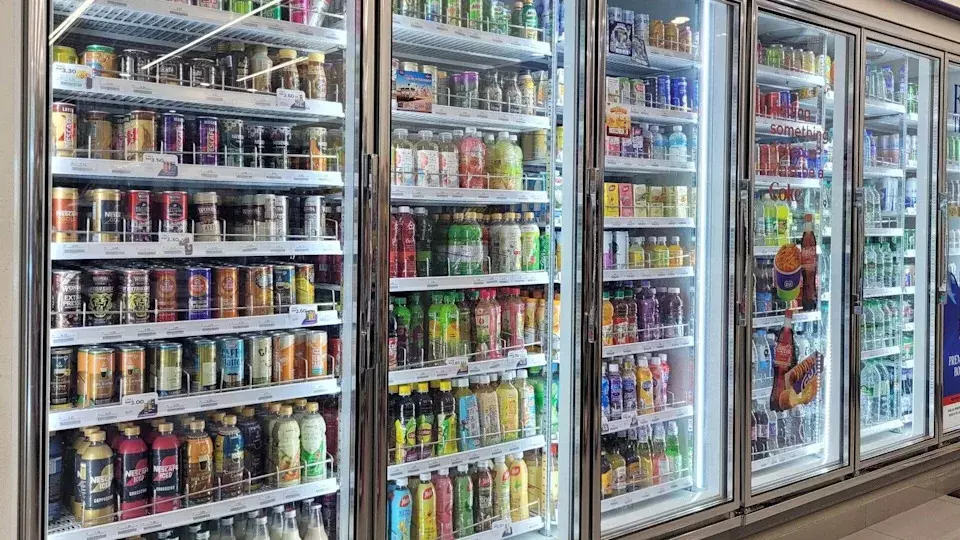
This article explores the significant impact of rising gasoline prices on consumer spending habits and, consequently, on the sales performance of convenience stores and major snack manufacturers like PepsiCo. It delves into how consumers prioritize essential expenditures, such as fuel, over discretionary purchases like snacks and beverages, leading to a noticeable decline in impulse buys at gas station convenience outlets. The piece further analyzes the financial structure of convenience stores, highlighting their reliance on high-margin food and drink sales to offset the thin profits from fuel. Finally, it examines the strategies employed by companies like PepsiCo to mitigate these challenges, including the introduction of bundled offers to stimulate in-store purchases.
Fueling Fewer Impulse Buys: How Gas Prices Reshape Consumer Habits
The Domino Effect: Gas Prices and Consumer Spending Shifts
When fuel prices surge, a common response among households is to reallocate their budgets, often by reducing non-essential expenditures. This phenomenon is particularly evident in areas such as durable goods, dining out, and even grocery shopping, where consumers may opt for cheaper alternatives or simply purchase less. This behavioral shift underscores the non-negotiable nature of driving for many, making fuel a priority even at increased costs.
Historical Precedents: The Threshold for Spending Cuts
Past analyses consistently demonstrate a clear correlation between rising gas prices and a decline in specific consumer activities. For instance, when the national average price for a gallon of regular gasoline exceeds a certain threshold, such as $3.50, restaurant traffic historically experiences a downturn. This trend indicates a psychological and financial tipping point where consumers actively curtail spending in various sectors as their fuel expenses climb.
PepsiCo's Observations: A Warning for Convenience Retailers
PepsiCo's recent earnings call revealed a concerning trend in consumer behavior, particularly within the convenience store sector. The company's CEO, Ramon Laguarta, highlighted a noticeable slowdown in the conversion of traffic into purchases at these 'impulse channels.' This suggests that while consumers continue to visit convenience stores for fuel, they are increasingly less inclined to make additional purchases of snacks and beverages, signaling a direct impact of higher gas prices on their willingness to spend on discretionary items.
Strategic Responses: Affordability and Bundling Initiatives
In response to these shifting consumer patterns, PepsiCo is actively collaborating with its retail partners to address the sales weakness. The strategy focuses on enhancing affordability through various incentives, including bundled offers. These initiatives aim to encourage consumers to make in-store purchases by providing perceived value, such as combining beverages with snacks or meal solutions. However, a potential drawback is that while bundles can save money compared to individual items, they still represent a larger initial outlay, which budget-conscious consumers might hesitate to make.
The Profit Engine: Why Food and Drink Matter to Convenience Stores
For convenience stores, the profitability structure is heavily skewed towards in-store sales of food and beverages. While fuel sales account for a significant portion of total revenue, they yield very thin profit margins. Conversely, items like soft drinks, prepared foods, and snacks boast much higher margins, making them critical drivers of overall profitability. Data indicates that foodservice, including prepared meals and dispensed beverages, contributes substantially to in-store gross profit, vastly outperforming fuel in terms of profitability.
Consumer Sentiment: The Psychological Impact of High Fuel Costs
Beyond the direct financial implications, high gas prices also exert a psychological toll on consumers. Industry experts suggest that the act of filling up a vehicle and witnessing the escalating cost at the pump can diminish a consumer's perception of having 'expendable income.' This sentiment of financial strain can directly translate into a reluctance to purchase impulse items like snacks, even if the actual budget might allow for it.
Navigating Volatility: The Enduring Challenge of Gas Prices
Gas prices continue to exhibit volatility, keeping consumers wary despite occasional dips. Recent reports highlight a renewed upward trend, with the national average for gasoline inching closer to $4 per gallon. This persistent fluctuation, driven in part by global events, means that the pressure on consumer discretionary spending is likely to remain. For convenience stores and snack manufacturers, adapting to this unpredictable environment through strategic pricing and promotional activities will be crucial for maintaining sales and profitability.
About the author
Chika Uwazie
Fictional representative of African fintech entrepreneurs and authors writing about money management in emerging economies.