The High Cost of Neglecting Oil Changes in a Ford EcoBoost V6
ByBrock Yates
This article delves into the critical importance of regular vehicle maintenance, specifically focusing on the detrimental effects of neglecting oil changes in a high-performance engine. Through the detailed examination of a Ford EcoBoost V6 from a Lincoln Aviator, it highlights how a lack of proper lubrication can lead to severe internal damage, ultimately resulting in engine failure. The piece serves as a cautionary tale, emphasizing that even robust powertrains require diligent care to ensure longevity and optimal performance, especially those with advanced features like turbochargers.
Unleash Power, Embrace Responsibility: Your Engine's Lifeline is Maintenance
The Unseen Toll: How Neglecting Oil Changes Cripples a Robust Engine
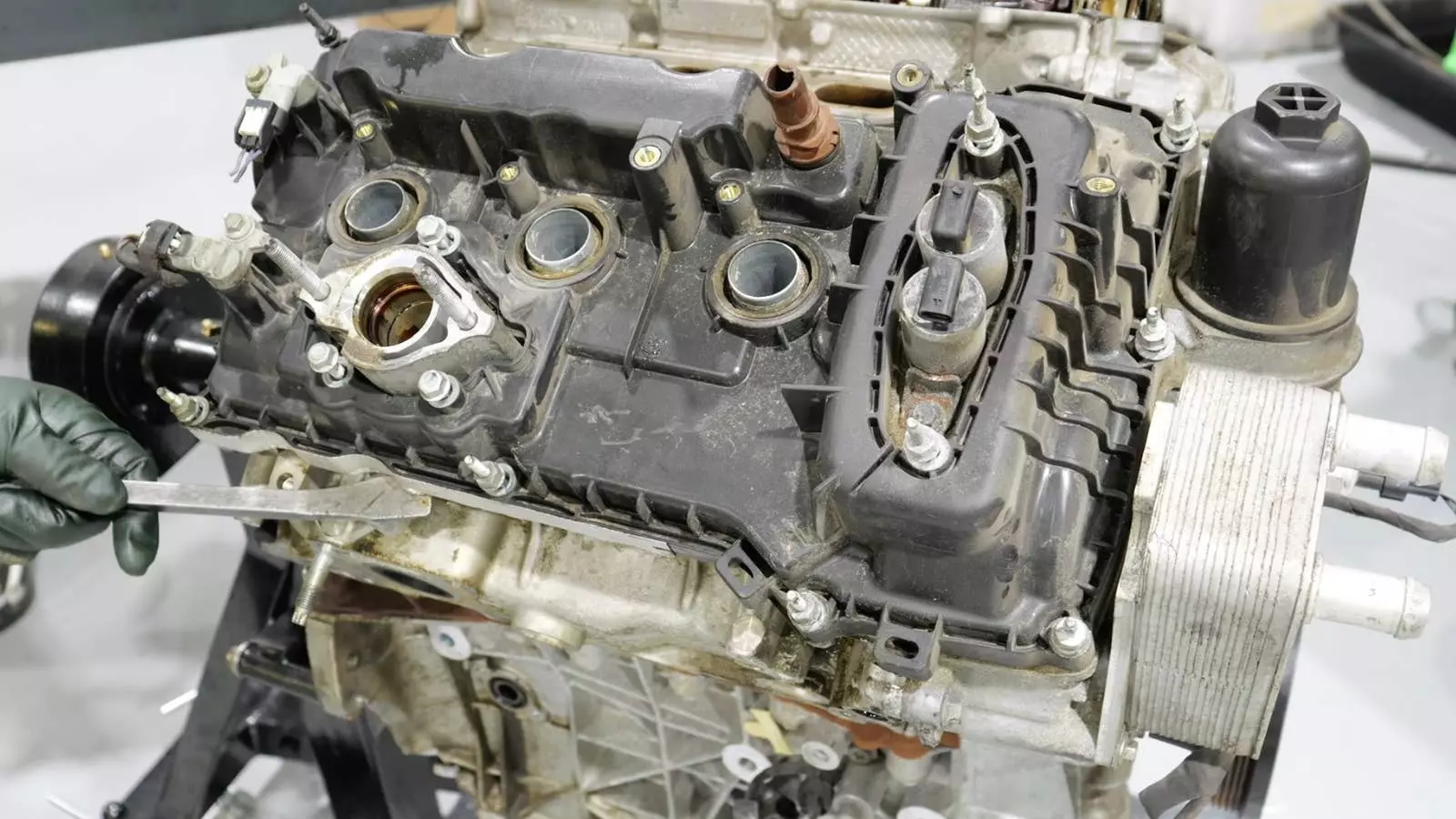
Ford's 3.0-liter EcoBoost V6 engine is celebrated for its impressive low-end torque, often compared to V8 performance, and is a cornerstone in many of the brand's high-performance vehicles, including the Explorer ST and Ranger Raptor. While inherently durable, even the most dependable power units are susceptible to severe degradation when maintenance is overlooked. This particular case involves an EcoBoost V6 from a 2021 Lincoln Aviator, which experienced catastrophic failure. The engine, acquired by Eric from 'I Do Cars' as a core return, had accumulated approximately 70,000 miles but reportedly received only two or three oil changes throughout its life. This is a stark contrast to Ford's recommended schedule, which would have mandated at least seven oil changes over that mileage, adhering to a maximum interval of 10,000 miles.
Beneath the Surface: Unveiling the Hidden Damage Caused by Poor Lubrication
Initially, the engine appeared externally intact, which could mislead one into believing it was in good condition. However, insufficient lubrication can precipitate excessive friction, overheating, and ultimately, a complete engine breakdown. Upon internal inspection, the valvetrain and the chain-driven timing system presented a grim picture, heavily encrusted with oil varnish and sludge. The internal components exhibited wear far exceeding what would be expected from a five-year-old engine. Furthermore, given that the 3.0-liter EcoBoost V6 utilizes direct injection—unlike the 2.7-liter version's dual-injection system that helps clean intake valves—the intake valves displayed significant carbon buildup. This accumulation of carbon can severely impede engine efficiency and performance. Moving deeper into the engine block, the cylinders showed evidence of moisture, likely due to prolonged outdoor storage. The presence of circulating debris within the contaminated oil undoubtedly contributed to extensive damage to the engine's internal bearings. The culmination of these issues was a spun rod bearing on cylinder six, with metallic shavings from the bearing found throughout the oil pan, signaling a complete internal collapse.
The True Price of Performance: Why Turbocharged Engines Demand Meticulous Care
The Ford EcoBoost V6, equipped with a twin-turbocharger system, inherently requires more rigorous maintenance than its naturally aspirated counterparts. This advanced setup operates under significantly higher thermal and mechanical stresses, making meticulous lubrication and cooling absolutely vital for maximizing its performance and ensuring its longevity. It's imperative for owners to recognize that the operational demands of such a high-performance engine directly translate into increased maintenance requirements. The financial commitment to properly maintain a luxury vehicle like a Lincoln, especially one with a sophisticated powertrain, should be a primary consideration of ownership. The 3.0-liter twin-turbocharged EcoBoost V6 continues to be a cornerstone in Lincoln's lineup, with the 2027 Aviator boasting impressive figures of 400 horsepower and 415 lb-ft of torque. Although a plug-in hybrid variant, which offered even greater power at 494 hp and 630 lb-ft of torque, was previously available, it was phased out after the 2024 model year. This consistent application of the engine further underscores the importance of adhering to recommended maintenance protocols to preserve its acclaimed performance and reliability.
About the author
Brock Yates
Legendary automotive journalist who created the Cannonball Run and wrote for Car and Driver.