Graveyard Keeper 2: The Art of Macabre Resourcefulness
ByJane McGonigal
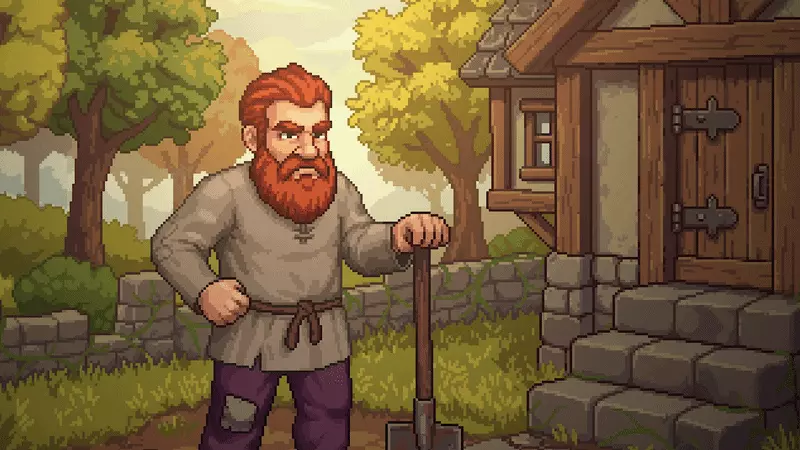
Graveyard Keeper 2, the latest iteration of the distinctive life simulation game, has just been released, inviting players to dive into a world where managing a medieval burial ground involves more than just digging graves. This game uniquely combines elements of crafting, farming, building, and quest-solving for local villagers with the somewhat unconventional practice of utilizing human cadavers for various products. Despite its dark premise, the game maintains an immediately engaging loop, encouraging players to chop wood, mine ore, cook meals, and advance their skills through a diverse tech tree.
The game quickly immerses players in a cycle of moral compromise, much like its predecessor. In the original game, players might have found themselves forging official documents to sell human flesh to the local tavern, effectively turning the entire town into unwitting cannibals for profit. Graveyard Keeper 2 introduces similarly questionable yet efficient methods; for example, players can extract fat from human remains to produce candles, which in turn enhance the aesthetic appeal of their church. This demonstrates how easily one can fall into a rhythm of ethically ambiguous actions when faced with resource management challenges.
Ultimately, the game poses a fascinating question: if no one—especially not the deceased—objects, what is the harm in using all available resources for the betterment of the community, even if those resources are human bodies? Graveyard Keeper 2 is available on Steam for $25, promising an experience that will cost players not only money but perhaps a piece of their soul, all in the name of efficient graveyard management and a surprisingly cozy gameplay loop.
This narrative subtly highlights the human capacity for adaptation and justification, even when confronted with morally gray choices. It encourages players to reflect on the nature of resources, the pursuit of efficiency, and the unexpected ways in which ethical boundaries can be reevaluated when presented within a compelling game world.
About the author
Jane McGonigal
Game designer and author who writes about using games to improve real life and solve problems.