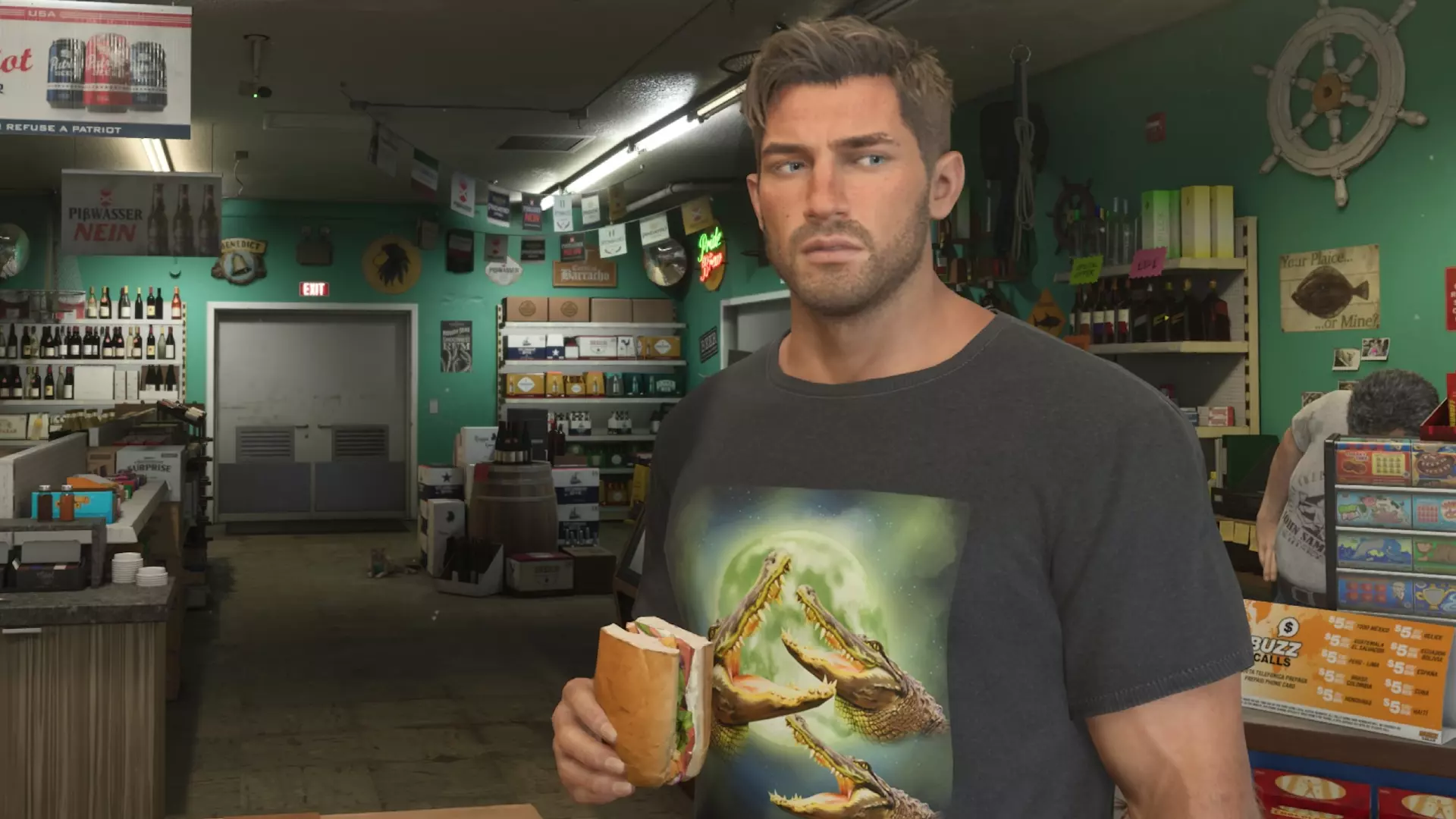
Grand Theft Auto 6's Jason: A Quiet Protagonist Inspired by Cinema and Military Veterans
ByRichard Garfield
Grand Theft Auto 6 is poised to redefine its narrative approach, veering towards a more introspective and character-driven experience. The game's co-protagonist, Jason Duval, embodies this shift with his distinctive quiet intensity. This departure from the series' often boisterous leads is a deliberate choice by Rockstar Games, drawing from a rich tapestry of influences that span classic cinema and real-world insights into veteran psychology. The goal is to craft characters whose depth and presence resonate more powerfully, even in moments of silence, making their journey through Vice City feel profoundly human despite their illicit activities.
This innovative character development for Jason is part of a broader narrative ambition for Grand Theft Auto 6. The creative team sought to ground the game's inhabitants in a compelling reality, even within the exaggerated landscape of a Florida-inspired setting. By exploring the complexities of individuals who are both deeply flawed and inherently human, Rockstar aims to create a world where moral ambiguities thrive, and characters evoke empathy and understanding from players worldwide. This dedication to authentic storytelling promises a fresh and immersive experience that elevates the franchise's renowned narrative depth.
The Enigmatic Silence: Jason's Character Development
Grand Theft Auto 6 is set to deliver a notably distinct narrative tone compared to its predecessors, placing significant emphasis on believable character portrayals and interpersonal dynamics. A prime illustration of this evolution is found in Jason Duval, the game's co-protagonist, who stands out for his often reserved nature rather than constant chatter. According to Rupert Humphries, Rockstar's senior vice president of narrative, Jason's quiet disposition was intentionally shaped by observing particular personality traits found in both film and authentic life experiences. This intentional choice marks a significant shift from the verbose and often flamboyant main characters that have historically defined the Grand Theft Auto series, promising a deeper, more nuanced engagement with its central figures.
The creative team meticulously crafted Jason's quiet yet potent persona, aiming for a depth often found in cinematic masterpieces. Humphries cited Sam Peckinpah's 'The Getaway' and Steve McQueen's ability to convey profound emotion through sheer presence as key inspirations. This cinematic influence was complemented by extensive research into the demeanor of military veterans, particularly Army Rangers. The game's narrative director explained that these individuals typically exhibit a measured approach to communication, speaking only when essential, yet projecting undeniable strength and self-possession. This fusion of cinematic stoicism and real-world observation has resulted in Jason Duval becoming a character designed to command attention through his actions and unspoken resolve, challenging the series' traditional character archetypes and offering a more introspective protagonist.
Authenticity in Adversity: Crafting GTA 6's World and Characters
The commitment to developing a more grounded character like Jason was not an isolated decision but rather a guiding principle for Grand Theft Auto 6's overarching narrative. This dedication to realism is particularly intriguing given the choice of a Florida-inspired setting, renowned for its often bizarre and sensational 'Florida Man' headlines. Game writer Michael Wiafe noted that studying the decades of widespread, newsworthy criminal activities in Florida provided a compelling initial framework for the game's world. This blend of real-world eccentricity and a desire for narrative authenticity signifies a bold direction for the series, aiming to capture the essence of a vibrant yet chaotic setting while maintaining character integrity.
Michael Wiafe further elaborated on the creative philosophy, emphasizing the goal of developing authentic characters that exist credibly within the game's universe without being entirely constrained by strict reality. He pointed out that while many of the main characters might be perceived as overtly criminal on paper, they are also depicted with discernible human qualities. Their moral landscapes are intentionally complex and undefined, with the narrative making no effort to excuse their actions. The paramount objective is for these characters to resonate deeply with players, irrespective of their global location or personal background, ensuring that their struggles and motivations feel universally understandable and impactful within Rockstar's intricate crime simulation.
About the author
Richard Garfield
Mathematician and game designer who created "Magic: The Gathering," revolutionizing collectible games.