Godzilla: Destroy All Monsters Melee Remastered - A Nostalgic Return to Kaiju Brawling
ByJane McGonigal
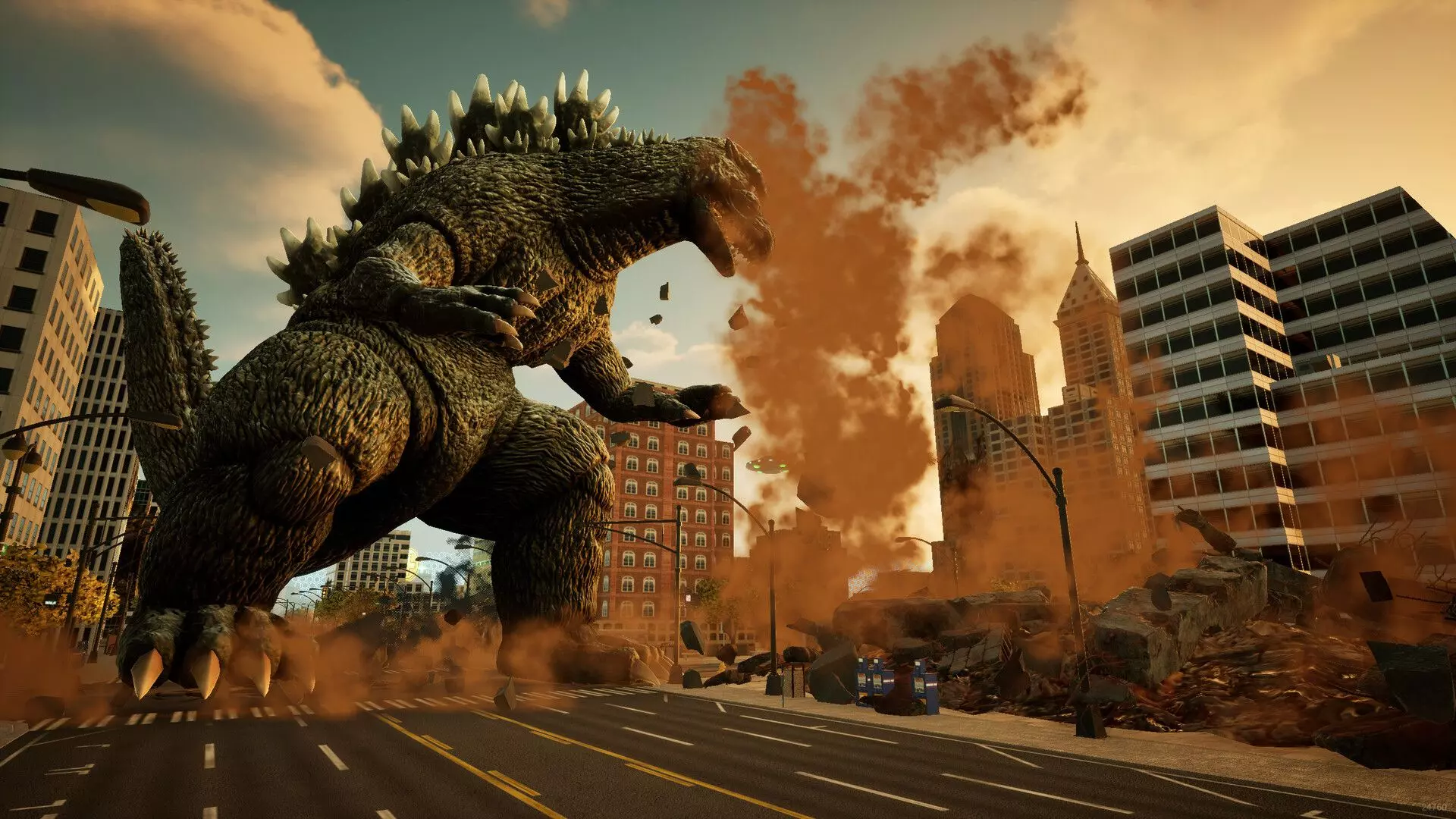
"Godzilla: Destroy All Monsters Melee Remastered" offers a delightful return to a beloved GameCube-era fighting game. Originally a cult classic known more through gaming magazines than hands-on play, this remaster by Atari and Pipeworks Studios brings the chaotic monster battles to modern platforms with a fresh coat of paint and online multiplayer. While critics of the original often cited its lack of depth, the remaster faithfully preserves its predecessor's unique charm, a blend of "Rampage" and "Super Smash Bros." that allows players to embody iconic kaiju and demolish destructible cityscapes. The game, released in 2002, was notable for its rubbery monster aesthetic and over-the-top wrestling-style combat. The remaster maintains this aesthetic, emphasizing that not all games need a complete overhaul to justify their revival; sometimes, preservation and celebration of their original vision are what matter most. Its persistent mid-tier review scores reflect a game that embraces its imperfections rather than seeking redemption, focusing on delivering a fun, albeit shallow, experience for both returning fans and new audiences.
The remastered edition shines as a party game, providing immediate, silly fun as players control Godzilla, Megalon, and other kaiju, tearing through cities like Tokyo. The combat, initially clunky, reveals surprising tactical depth with strategic use of blocks, atomic breath, and environmental cover. Although it carries over some of the original's quirks, such as finicky grab mechanics and occasional character imbalance, these elements contribute to its unique, old-school appeal. The game's arcade mode remains repetitive, lacking distinct storylines for each monster, and the new research point system for unlocking content replaces the original's more engaging discovery method with a grind. Despite these flaws, the remaster excels in maintaining the spirit of classic kaiju cinema, evoking the feeling of monsters in rubber suits stomping through miniature sets. It stands as a testament to the experimental era of 3D gaming, offering a refreshing departure from today's often formulaic titles and proving that even imperfect games deserve to be preserved and enjoyed for their unique contributions to gaming history.
A Faithful Revival: Preserving the Kaiju Chaos
The re-release of "Godzilla: Destroy All Monsters Melee" meticulously revives the 2002 GameCube title, offering a nostalgic journey for those who remember it from gaming magazines and a fresh experience for newcomers. This remastered version, developed by Pipeworks and published by Atari, skillfully retains the original's distinct charm and playful imperfections. It captures the essence of classic kaiju cinema, where giant monsters engage in over-the-top battles amidst destructible city environments. The game's core appeal lies in its straightforward, button-mashing fun, allowing players to embody iconic beasts like Godzilla and Megalon to wreak havoc in sprawling urban arenas. Unlike modern titles that often strive for technical perfection, this remaster proudly showcases its predecessor's quirks, from the rubbery monster designs to the sometimes-clunky combat mechanics. It serves as a reminder that the value of a game isn't solely in its critical acclaim but also in its ability to deliver a unique and enjoyable experience that stands apart from contemporary trends.
This remastered edition, while not aiming for a total re-invention, successfully updates the classic brawler with online multiplayer, making it more accessible to a new generation of players. It faithfully recreates the original's blend of arcade-style destruction and wrestling-like combat, where monsters body-slam and tail-whip buildings with gleeful abandon. The initial clumsiness of the controls soon gives way to a surprisingly tactical depth, as players learn to utilize blocking, atomic breath, and environmental cover to gain an edge. Even with its preserved flaws, such as the occasional finicky grab button and somewhat imbalanced characters, these elements contribute to the game's authentic retro feel. The decision to maintain the original's design philosophy, even when it means embracing some of its limitations, is a testament to the developers' respect for the source material. This approach ensures that the remaster isn't just a shiny update but a genuine preservation of a game that holds a special place in GameCube history, offering a distinct and entertaining experience that feels refreshingly different in today's gaming landscape.
Enduring Charm and Modern Challenges: A Remaster's Dual Nature
The enduring appeal of "Godzilla: Destroy All Monsters Melee Remastered" lies in its commitment to the original's quirky, party-game nature, even as it introduces modern elements. This release serves as a bridge between gaming eras, allowing players to revisit a title that, despite its critical reception, carved out a niche as a fun, chaotic brawler. The game’s design, reminiscent of both "Rampage" and "Super Smash Bros.," encourages immediate pick-up-and-play enjoyment, making it ideal for casual gaming sessions. While it doesn't escape the criticisms leveled at its 2002 counterpart, such as a shallow arcade mode and a new, less engaging unlock system, these aspects are often overshadowed by the sheer joy of embodying a giant monster and smashing up cities. The remaster's dedication to preserving the original's visual and mechanical style, including its deliberate clumsiness, highlights a philosophy that values nostalgic authenticity over a complete overhaul. It demonstrates that sometimes, the best way to update a classic is to let its unique spirit shine through, warts and all.
While the remaster successfully brings back the delightful chaos of kaiju combat, it also grapples with the challenge of balancing faithful preservation with contemporary expectations. The decision to replace the original's organic unlock system with a research point grind, for instance, introduces a more tedious progression that detracts from the spontaneous joy of discovering new content. Similarly, the repetitive nature of the arcade mode, which lacks distinct storylines for each monster, might feel dated to modern players accustomed to more narrative depth. However, these drawbacks are largely offset by the game's core strengths: its unique gameplay, the sheer fun of its destructible environments, and the nostalgic trip it offers. The remaster succeeds in conveying the original game's experimental spirit, a product of a time when developers were still defining what 3D games could be. In an industry often dominated by polished, formulaic titles, "Godzilla: Destroy All Monsters Melee Remastered" stands out as a charmingly messy, deliberately designed artifact that reminds us of the diverse and creative history of video games, proving its worth as a preservation effort even if it doesn't rewrite its own critical history.
About the author
Jane McGonigal
Game designer and author who writes about using games to improve real life and solve problems.