Germany's Economic Resilience: A Deep Dive into Growth and Challenges
ByMichele Ferrero
This report provides a comprehensive analysis of the German economy, detailing its unexpected strength amidst various challenges. It examines key economic indicators and outlines the necessary structural adjustments for sustained prosperity.
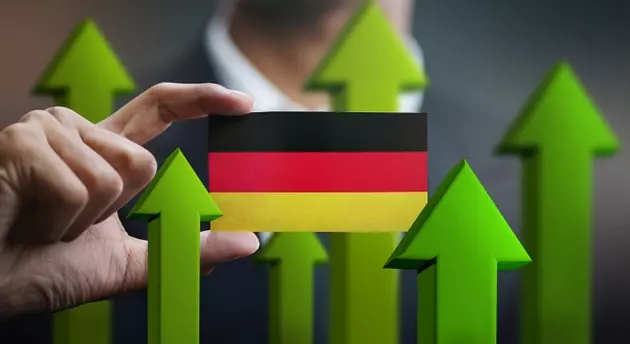
Germany's economic landscape is showing remarkable vigor. The latest Ifo index, a crucial barometer of business confidence, recorded its fourth consecutive monthly increase, reaching a one-year peak of 88.8 in August. This upward trend signals a robust improvement in business sentiment, suggesting a positive trajectory for the national economy. This resurgence is particularly noteworthy given the persistent obstacles it faces.
Overcoming External Obstacles and Internal Hurdles
Despite significant challenges such as fluctuating water levels impacting logistics, the prolonged conflict in the Middle East, and ongoing difficulties in implementing essential reforms, the German economy has displayed an impressive capacity for resilience. It appears poised to achieve its strongest growth figures since 2022, underscoring its underlying strength and adaptability.
The Role of Infrastructure Investment in Economic Stimulation
A closer look at the recently released GDP data reveals a significant driver behind this positive momentum: infrastructure investments. These long-awaited capital injections are finally making a tangible impact on the real economy. This suggests that strategic public spending is translating into concrete economic activity and contributing to the overall upturn.
The Path Forward: Structural Reforms for Enduring Prosperity
To ensure long-term stability and continued growth, Germany must remain committed to a series of comprehensive structural reforms. These reforms are essential for bolstering the nation's international competitiveness, securing a stable and affordable energy supply, and implementing direct financial incentives, such as tax reductions, to invigorate corporate investments and household consumption. Addressing these areas will pave the way for sustainable economic health.
About the author
Michele Ferrero
Noted for building the Ferrero Rocher empire, representing entrepreneurial finance success.