Gandalf's Evolving Role in 'The Rings of Power' Season 3
ByReiner Knizia
In the upcoming third season of 'The Lord of the Rings: The Rings of Power,' Gandalf transitions from a mysterious wanderer to the iconic wizard familiar to audiences. This season delves into his deepened understanding of power, which now centers on inspiring others rather than exerting control.
A New Dawn for Middle-earth's Guide
The Evolution of a Wizard: From Stranger to Sage
For two seasons, Gandalf, embodied by Daniel Weyman, was simply 'The Stranger,' grappling with his newfound magical abilities and purpose in Middle-earth. However, following his recognition as a 'Grand Elf' at the culmination of season two, he is now poised to confront the true challenges that await him. Weyman explains in a Prime Video special that Gandalf's journey has led him to comprehend the essence of a true wizard: fostering goodness throughout Middle-earth.
The True Essence of Gandalf's Power
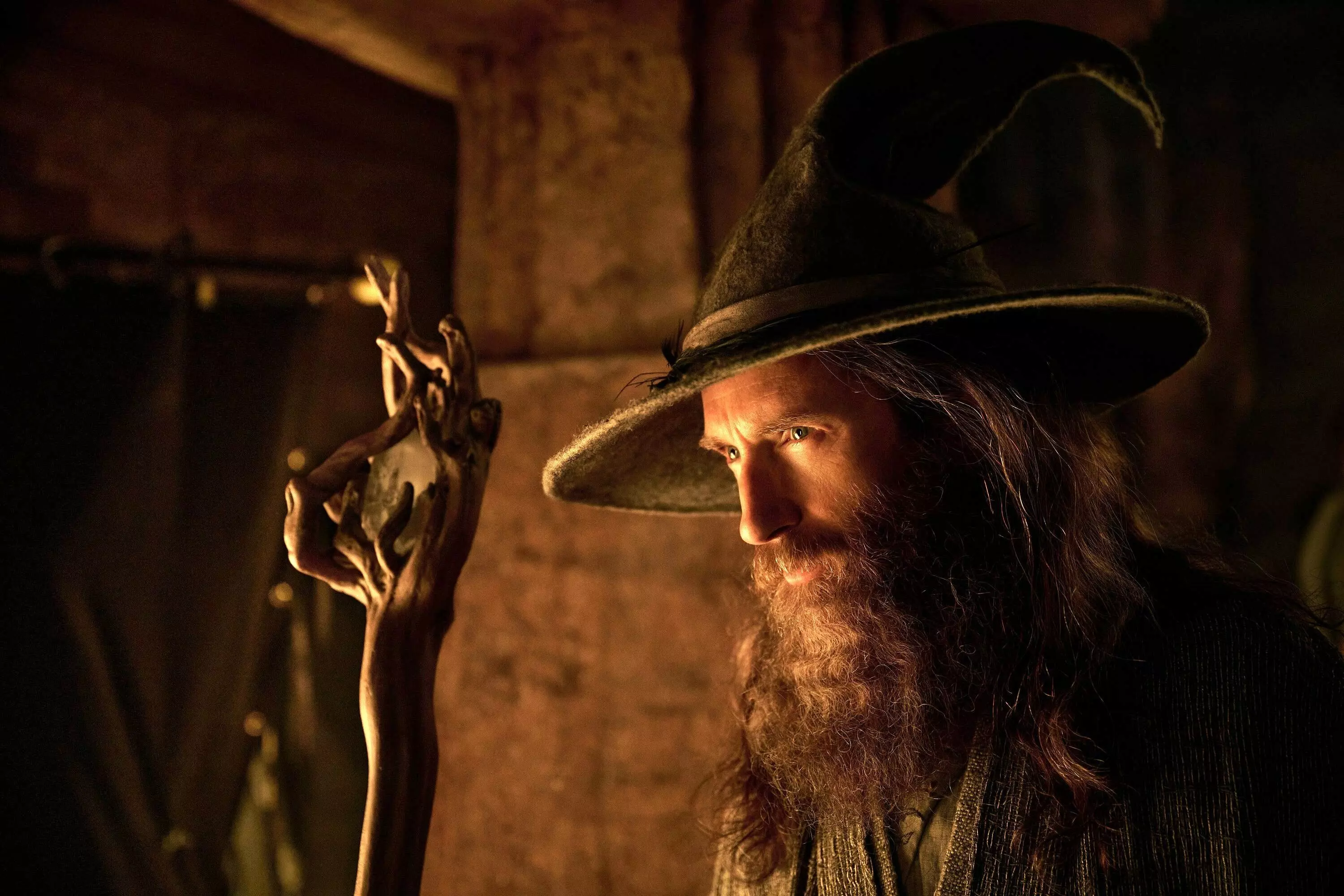
Gandalf's most profound strength has never been his magical prowess in defeating adversaries, but rather his innate capacity to recognize virtue in others, ignite bravery, and empower ordinary individuals to achieve extraordinary feats. This mirrors the Gandalf beloved by 'Lord of the Rings' enthusiasts. After a five-year narrative leap from season two, Weyman's portrayal of the character now more closely resembles the iconic Gandalf the Grey. Weyman reveals that Gandalf's time with Tom Bombadil between seasons has profoundly altered his perspective on wielding power.
A Softer Touch: Guiding, Not Controlling
Weyman suggests a new, gentler form of power now characterizes Gandalf. He has become less concerned with dictating outcomes and more focused on enabling others to realize their inherent potential. His journey is about being present with individuals, acknowledging their good nature, and reflecting it back to them. This is evident in his interactions with figures like Elanor 'Nori' Brandyfoot and, millennia later, Frodo Baggins. Gandalf's belief in their courage and compassion proves far more pivotal to the world's destiny than any spell he might cast. This period has not enhanced his magical abilities but has instilled in him the wisdom and self-restraint that will define his character, ultimately making him a more effective wizard.
Physical Manifestations of Inner Change
This internal transformation is also mirrored in Gandalf's external appearance. Weyman observes that Gandalf's hair and beard have grown, his attire has changed, and he now constantly carries his staff. Unlike the often-hunched Stranger, Gandalf now stands tall, exuding a newfound sense of self-assurance. Weyman notes, "The way he moves and carries himself is different. His staff has become a constant companion, almost a friend."
The Wizard's Mission: Guidance Over Control
This subtle but significant shift is a core theme in Tolkien's works. While Sauron seeks absolute dominion over Middle-earth, a wizard's mandate is the antithesis: to offer guidance while surrendering ultimate control. As Weyman articulates, Gandalf understands that his role is to do his best, acknowledging that the final outcome is not solely his to determine. Co-creator Patrick McKay agrees that Season 3 represents a crucial turning point, marking Gandalf's full emergence as a wizard and a new phase in his millennia-long existence.
Gandalf's First Major Test: Reclaiming a Lost Friend
This guiding philosophy is deeply rooted in J.R.R. Tolkien's lore. The Istari, powerful spirits including Gandalf, were dispatched to Middle-earth to assist its peoples in resisting Sauron. Their mission was to inspire and counsel, rather than directly confronting evil. Despite their power, wizards are susceptible to human frailties. While Saruman succumbed to the allure of power and Radagast became preoccupied with nature, Gandalf emerges as the steadfast guardian. Season 3 will explore Gandalf's complex relationship with the dark wizard Pallando, portrayed by Ciarán Hinds. Pallando, associated with the eastern lands of Rhûn, shares a forgotten history with Gandalf, one that predates their current understanding. This forgotten past offers Gandalf an opportunity to implement his new philosophy: to reclaim his old friend. His instinct is not to defeat, but to guide Pallando back to the righteous path, a challenge perhaps more formidable than any magical duel. Weyman emphasizes Gandalf's goal for the season is to "recognize the inherent good in others" and "rekindle cold hearts," beginning with Pallando. McKay describes their conflict as a more profound, "esoteric" struggle than a mere magical confrontation.
The Enduring Wisdom of True Power
Their dynamic underscores one of Tolkien's most vital insights into the nature of power: true wisdom isn't about imposing one's will, but about understanding that even the most influential individual cannot force another to choose goodness. After two seasons of self-discovery, Gandalf finally grasps his true calling as 'The Rings of Power' progresses into season 3. The central question is no longer whether the Stranger will become the wizard audiences recognize, but whether he can inspire others to fulfill their destinies and resist the encroaching evil in Middle-earth.
About the author
Reiner Knizia
Prolific and award-winning board game designer with a PhD in mathematics, known for elegant game mechanics.