Gaming Console Sales Plummet Amidst Soaring Prices and Component Shortages
ByJane McGonigal
The gaming console market is currently experiencing a notable downturn, characterized by a sharp decline in sales for major players like Xbox, PlayStation, and Nintendo. This slump is primarily attributed to a persistent component shortage, which has led to unprecedented price increases for these popular gaming systems. The current economic climate, coupled with supply chain disruptions, has created a challenging environment for both manufacturers and consumers, pushing console prices to record levels and consequently impacting sales volumes significantly.
Recent data from Circana's U.S. Retail Tracking Service paints a grim picture of the current state of console sales. As of August year-to-date in 2026, Xbox hardware unit sales have plummeted by 33% compared to the previous year, marking an all-time low for the brand. PlayStation sales have also seen a substantial drop of 25% over the same period, reaching their lowest point since 2013. Even Nintendo, typically a strong performer, experienced a 15% decrease in sales from August of the prior year, indicating a widespread market contraction. These figures reinforce earlier reports of a struggling console market, with similar declines observed in July.
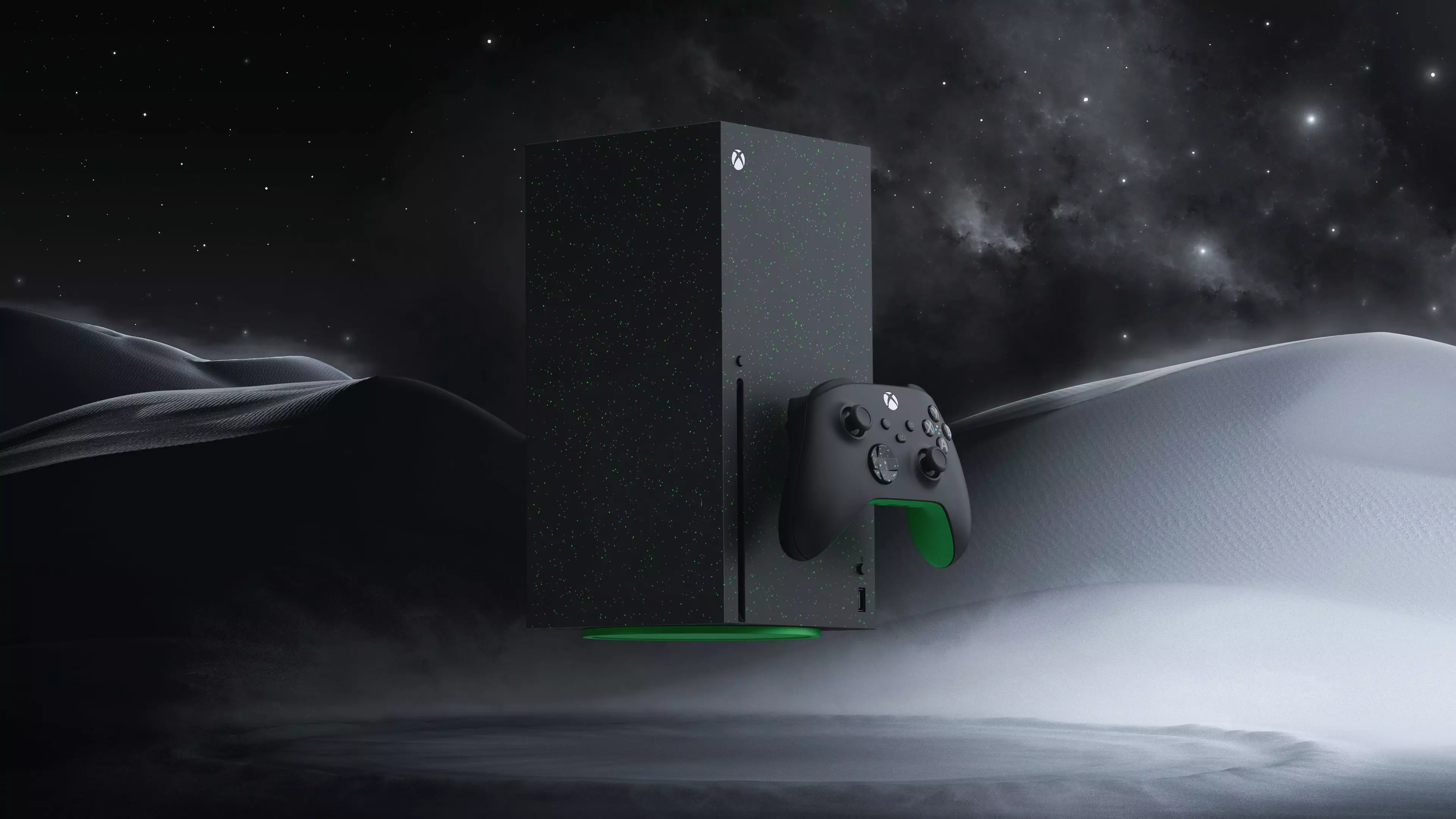
Over the past eighteen months, all three major console manufacturers have implemented multiple price increases. The Xbox Series X, for instance, now retails for $799.99, a staggering $300 increase from its launch price. The base PS5, initially priced at $499, saw an increase to $549.99 in August 2025, followed by another $100 hike in April 2026. Nintendo's Switch 2 also experienced a $50 price adjustment last September. These escalating costs are a direct consequence of the global component crisis, making console ownership less accessible for many consumers.
The primary driver behind these rising console prices is a shift in manufacturing focus within the tech industry. As companies increasingly invest in AI data centers, RAM manufacturers such as Samsung, SK Hynix, and Micron have redirected a significant portion of their memory chip production from consumer-grade RAM to specialized SRAM, which is essential for these data centers. This strategic shift has created a severe shortage of hardware components vital for consumer electronics like gaming consoles. Consequently, the increased cost of these components has made console manufacturing more expensive, a burden that is ultimately transferred to the consumer.
Circana's data further highlights this trend, showing that the average price paid for a new Xbox console through August 2026 reached $529, a 26% increase year-over-year. Similarly, the average PlayStation console sold for $597, up 20% from the previous year. These figures represent all-time highs for console prices in the U.S., nearly six years after their initial release. This trajectory is unusual, as console prices typically decrease over time, making them more affordable and broadening their market appeal. While the highly anticipated release of Grand Theft Auto 6 is expected to temporarily boost game console sales, industry experts do not foresee a significant reduction in hardware prices anytime soon, suggesting that the current market challenges may persist for the foreseeable future.
In conclusion, the gaming console market is facing significant headwinds, with a substantial decline in sales driven by a confluence of rising prices and a critical shortage of key components. The shift in RAM production to support AI data centers has directly impacted the cost of console manufacturing, leading to record-high retail prices. This situation presents a considerable challenge for the industry, as it deviates from the typical trend of decreasing console prices over their lifecycle. Despite potential short-term boosts from major game releases, the long-term outlook suggests that consumers should not anticipate a return to more affordable hardware prices in the near future.
About the author
Jane McGonigal
Game designer and author who writes about using games to improve real life and solve problems.