Gaming Community Rallies Against EA's Studio Closures
ByMark Rosewater
The gaming world is currently witnessing a significant wave of discontent directed at Electronic Arts, following a series of controversial decisions by the company. The most recent and impactful of these was the shuttering of BioWare, a celebrated development studio responsible for critically acclaimed titles like the Mass Effect trilogy. This move, coming on the heels of EA's acquisition by a consortium of investment funds including Saudi Arabia's private investment fund, Jared Kushner's Affinity Partners, and Silver Lake, has ignited a firestorm of protest across various platforms. Fans are not only lamenting the demise of BioWare but also expressing deep concern for the future of other cherished development teams and their intellectual properties under EA's umbrella. The widespread frustration has led to a remarkable display of unity within the gaming community, with individuals taking both online and offline actions to voice their collective displeasure and advocate for the preservation of beloved franchises.
Gamers Mobilize Against EA's Divisive Decisions
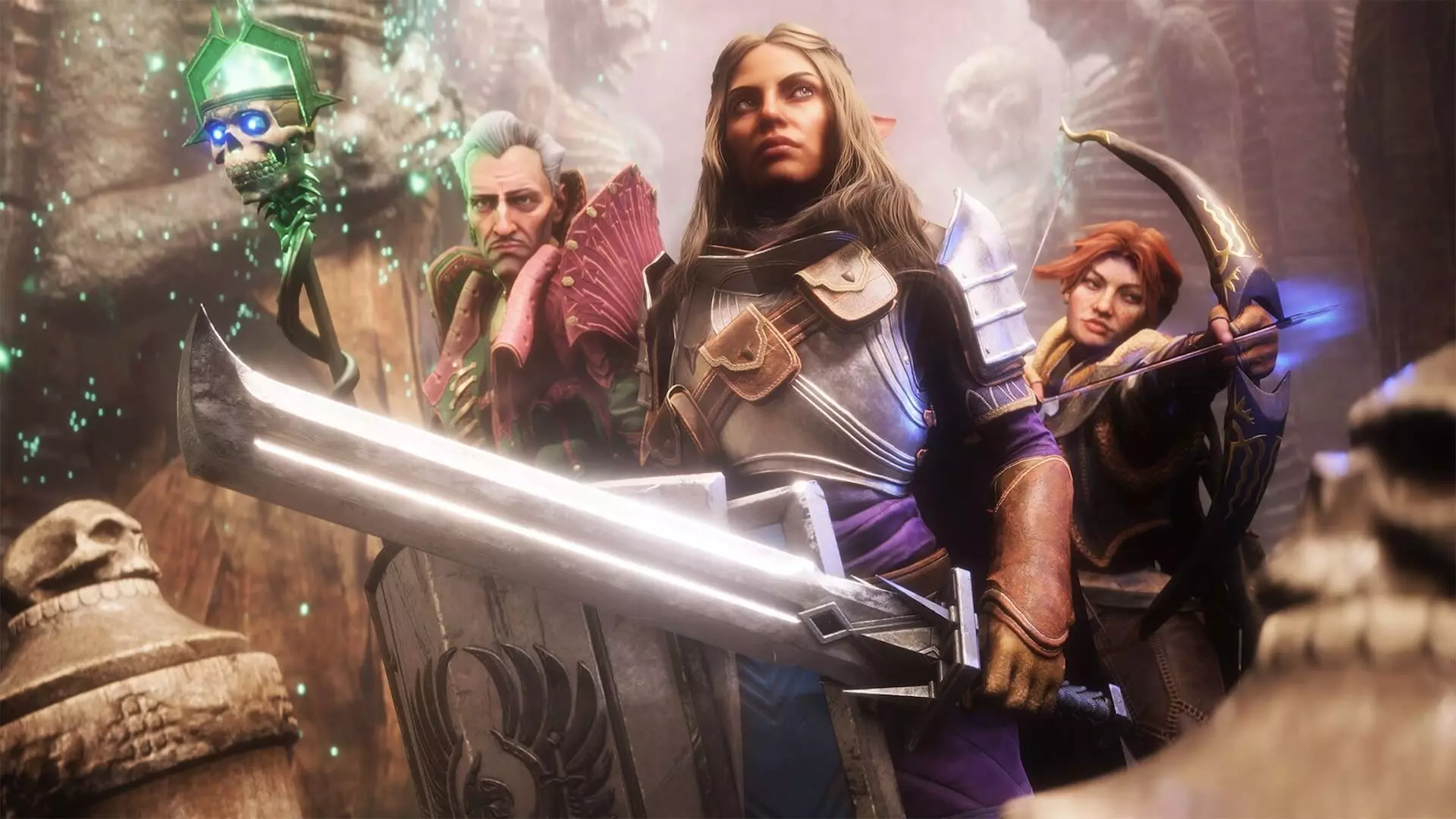
In a powerful demonstration of their collective dismay, gamers have initiated various forms of protest following EA's contentious actions. The closure of BioWare, a studio lauded for its narrative-driven RPGs, served as a catalyst for this outrage. While a former EA manager had previously anticipated such closures, the official announcement in October deeply saddened and angered the player base. BioWare, despite recent challenges, was responsible for some of EA's most iconic games, including Star Wars: Knights of the Old Republic and the Dragon Age series, in addition to Mass Effect. The revelation that BioWare had been diligently working on a new Mass Effect installment for over half a decade, only for it to be canceled, further intensified fan resentment. This mounting frustration has translated into a series of impactful protests.
A particularly poignant example emerged during Halloween, when a dedicated fan constructed a symbolic graveyard outside an EA office. This memorial featured tombstones for numerous studios that EA had either closed or significantly restructured over the years, such as Bullfrog, Pandemic, Visceral, Westwood, Origin, and Maxis. Each tombstone bore the studio's logo, its operational dates, and a poignant quote. The BioWare tombstone, for instance, carried the memorable line from Mordin Solus in Mass Effect 3: "It had to be Me. Someone else might have gotten it wrong," a testament to the studio's profound influence on modern role-playing games. Beyond this somber tribute, the outrage manifested in other ways. In Madrid, an impassioned individual spray-painted "Save Mass Effect" on the exterior of an EA office building. Meanwhile, in the bustling heart of New York City, fans collaboratively funded a "Save Mass Effect" billboard in Times Square, a move that garnered significant attention and amplified their message. Despite these widespread and creative expressions of discontent, EA has remained largely silent, seemingly prioritizing franchises like Star Wars for future sci-fi action game development. Nevertheless, the unwavering solidarity and passion exhibited by the gaming community in advocating for their cherished games and studios are truly inspiring.
A Call for Corporate Accountability and Respect for Creative Legacies
The unfolding situation with EA and the gaming community serves as a potent reminder of the complex relationship between publishers, developers, and players. It highlights the profound emotional connection that fans develop with video game franchises and the creative teams behind them. This widespread backlash is a clear signal that corporate decisions, especially those involving the dissolution of esteemed studios and the cancellation of anticipated projects, have tangible consequences that extend beyond financial reports. It underscores the importance of fostering a symbiotic relationship where artistic integrity and fan loyalty are valued alongside commercial success. Perhaps this collective outcry will, in the long run, encourage greater transparency and a more thoughtful approach from major publishers regarding the future of development studios and the intellectual properties they create. It is a powerful testament to the fact that, in the digital age, the voice of the community holds significant sway, and ignoring it comes at a substantial cost to reputation and trust.
About the author
Mark Rosewater
Head designer for "Magic: The Gathering" and author of long-running insights on game design.