Game Developers Show Strong Preference for Switch 2 in Latest Industry Survey
ByRichard Garfield
The dynamic landscape of the video game industry is constantly shaped by technological advancements and developer aspirations. A recent comprehensive survey provides invaluable insights into where game creators envision their future projects, revealing a fascinating shift in platform priorities and highlighting the rising prominence of Nintendo's latest console.
Switch 2: The Future Playground for Game Creators.
Unveiling Developer Sentiments: Key Findings from the Recent GDC Industry Report
The prestigious GDC Festival of Gaming has recently released its comprehensive "State of the Game Industry" report, a pivotal document for understanding current trends and future directions in game development. This extensive survey gathered perspectives from over 2,600 professionals across the global gaming sector, exploring critical themes such as artificial intelligence, industry layoffs, labor conditions, and crucial developer platform preferences, offering a panoramic view of the industry's collective mindset.
PC Remains the Undisputed Leader: Versatility and Accessibility Drive Continued Developer Interest
As anticipated, the survey results reaffirmed the personal computer's steadfast position as the most favored platform for game development. An overwhelming 81% of respondents indicated their interest in creating games for PC, a figure that comfortably outpaces all other contenders. This enduring popularity is largely attributed to the PC's inherent versatility, the relative ease of its development environment, and the broad reach provided by established digital storefronts like Steam and the Epic Games Store, which offer unparalleled visibility to developers.
Nintendo Switch 2 Captures Silver: Outpacing Major Competitors in Future Development Interest
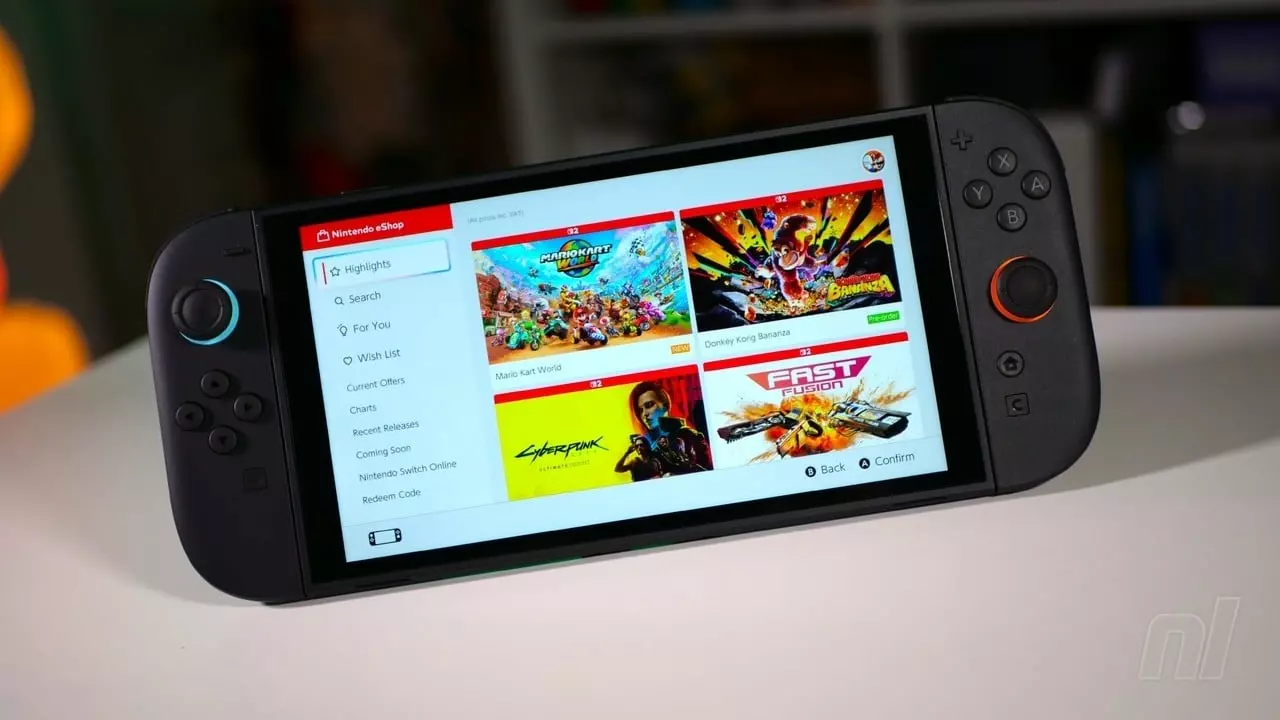
A particularly striking revelation from the report is the Nintendo Switch 2's impressive ascent to the second position in developer interest, securing a substantial 46% of the votes. This places Nintendo's newest console significantly ahead of its direct rivals, including the PlayStation 5, Xbox Series X|S, and even specialized handhelds like the Steam Deck. Furthermore, the Switch 2 garnered more attention than anticipated future platforms such as the PlayStation 6 and the enigmatic Project Helix, signaling a strong belief in its market potential and developer appeal.
A Rapid Ascent: The Nintendo Switch 2's Impact Since Its Mid-2025 Debut
Since its market introduction in June 2025, the Nintendo Switch 2 has experienced an extraordinary proliferation of software releases. The console's library has rapidly expanded to include a diverse range of titles, from highly anticipated 'AAA' blockbusters to innovative independent projects. This consistent stream of new content suggests that the platform has quickly established itself as a vibrant ecosystem, and current developer sentiment indicates that this growth trajectory is not only expected to persist but may even intensify in the coming years.
The Nuance of Commitment: Distinguishing Developer Interest from Immediate Project Deployment
While developer enthusiasm for the Switch 2 is undeniably high, a separate segment of the survey, focusing on platforms for developers' next immediate game or project, presented a slightly different hierarchy. In this category, the Switch 2 ranked lower, garnering 29% of the vote, placing it behind PC, PlayStation 5, Xbox Series X|S, and Steam Deck. This divergence highlights a crucial distinction between a general desire to develop for a platform and the practicalities of current production cycles and resource allocation.
Beyond Desire: Understanding the Practicalities Influencing Actual Game Development Choices
The disparity between expressed interest and concrete development plans for the Switch 2 can be attributed to various external and operational factors. It is one thing for developers to express a strong desire to create games for a particular console; it is quite another to possess the necessary financial resources, access to development kits, and strategic alignment to execute such projects. These tangible constraints play a significant role in determining which platforms ultimately receive development focus for upcoming titles, offering a more complex view of the industry's operational realities.
About the author
Richard Garfield
Mathematician and game designer who created "Magic: The Gathering," revolutionizing collectible games.