From Page to Pixel: The Best Video Game Adaptations of Books
ByAmy Hennig
The tradition of transforming written narratives into alternative media is long-standing, with numerous book adaptations gracing television and film. However, the realm of video games has seen a comparatively limited number of titles directly inspired by literature. This scarcity is notable, given the immersive potential video games hold for allowing players to actively engage with beloved fictional worlds. Nevertheless, a select number of developers have ventured into this unique space, creating compelling interactive experiences rooted in literary masterpieces. These games not only honor their source material but also expand upon it, offering fresh perspectives and interactive interpretations that captivate both readers and gamers alike. Such adaptations demonstrate the rich potential for synergy between literary storytelling and interactive entertainment, proving that the magic of a book can remarkably translate into the dynamic world of gaming, enriching the player's experience through both narrative depth and interactive engagement.
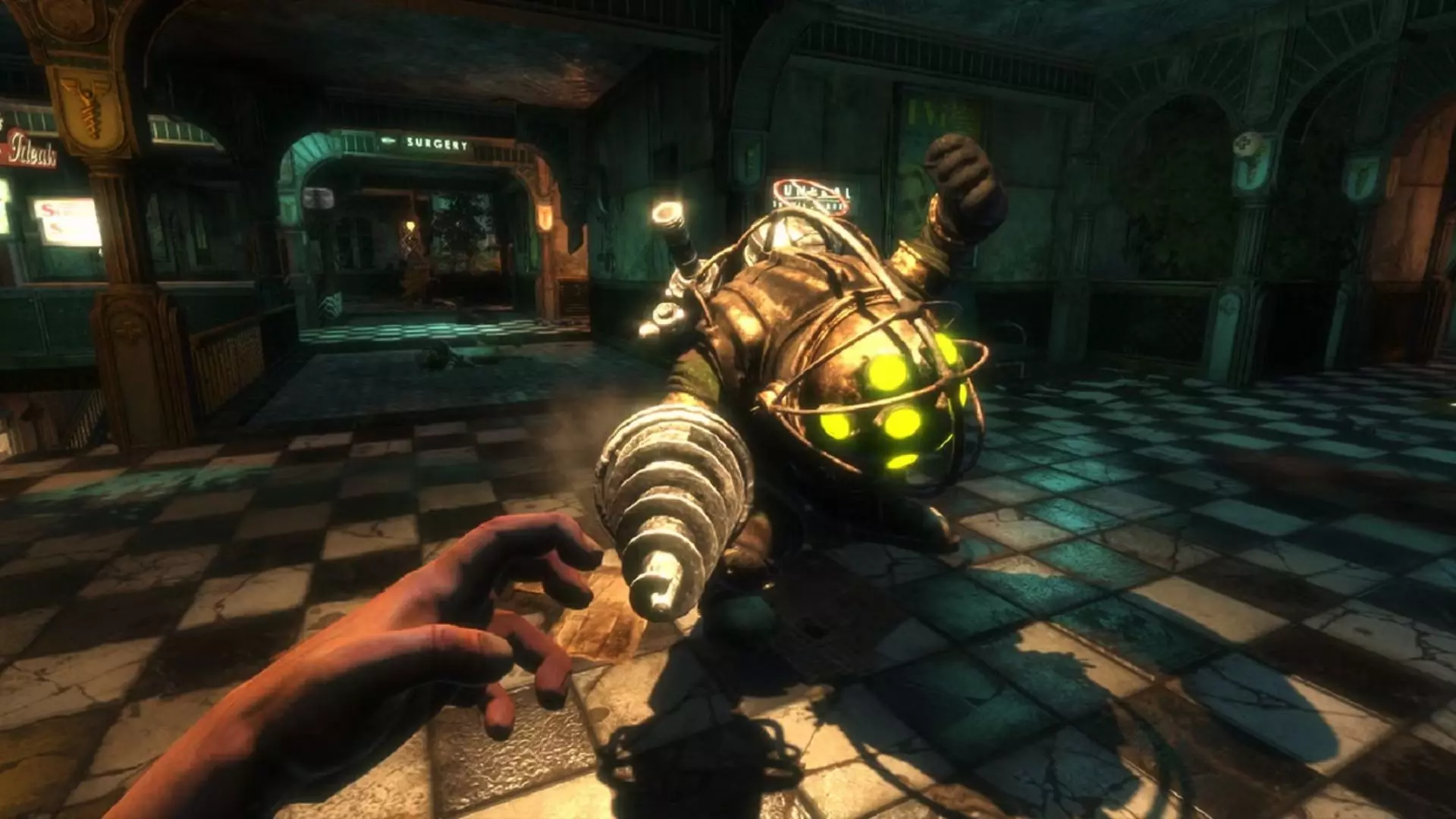
Among the standout examples of successful literary-to-game adaptations are titles that have either directly translated beloved stories or drawn significant thematic inspiration from them. From the philosophical depths of Ayn Rand's novels influencing the dystopian underwater world of BioShock to Andrzej Sapkowski's epic fantasy saga giving birth to The Witcher series, these games showcase a diverse range of narrative approaches. Hogwarts Legacy invites players into the expansive wizarding world of J.K. Rowling centuries before Harry Potter's time, while Warrior Cats: Clans of the Forest allows players to inhabit the feline-centric universe created by Erin Hunter. Furthermore, the Japanese horror novel Parasite Eve found a chilling interactive rebirth, and Carlo Collodi's classic Pinocchio tale was dramatically reimagined into the dark, soulslike realm of Lies of P. Each of these games enriches its literary foundation, offering players a distinctive way to explore and connect with stories they may already cherish or discover anew.
The transformation of literary works into video games, while less frequent than film or TV adaptations, has yielded some truly exceptional titles that brilliantly bridge the gap between narrative immersion and interactive gameplay. These games prove that the depth and complexity of a well-crafted book can translate into equally engaging interactive experiences. For instance, BioShock draws heavily from Ayn Rand's philosophical novels, crafting a unique dystopian setting that challenges players with moral dilemmas and a rich narrative. The Witcher series, particularly The Witcher 3: Wild Hunt, is a masterclass in adapting vast fantasy lore into an open-world RPG, maintaining thematic integrity while offering unparalleled freedom. Similarly, Hogwarts Legacy transports players to an earlier era of the wizarding world, allowing for a personalized journey within J.K. Rowling's iconic universe. Even more niche adaptations like Warrior Cats: Clans of the Forest demonstrate a dedication to bringing intricate fictional worlds to life for their dedicated fanbases. These games are not just retellings but evolutions, offering players a chance to embody characters and influence stories in ways traditional media cannot.
A closer look at these adaptations reveals the diverse approaches developers take to honor and expand upon their source material. BioShock, for example, integrates elements from "Atlas Shrugged" and "The Fountainhead" to build a critique of philosophical extremism within a thrilling first-person shooter framework, making its narrative depth a key component of its enduring appeal. The Witcher 3: Wild Hunt exemplifies how to respect existing lore while forging new, compelling narratives, allowing players to fully immerse themselves in Andrzej Sapkowski's dark fantasy world with Geralt of Rivia. Hogwarts Legacy offers an expansive prequel experience, allowing fans to explore familiar settings and forge their own magical path, enriching the Harry Potter universe without directly replaying its famed saga. Warrior Cats: Clans of the Forest provides an opportunity for fans to create and play as their own feline warrior, navigating the intricate social and territorial dynamics of Erin Hunter's acclaimed series. Even a classic like Carlo Collodi's The Adventures of Pinocchio finds new life in Lies of P, which reimagines the puppet's journey into a dark, challenging soulslike action RPG, demonstrating the versatility of literary inspiration across genres. These titles collectively underscore the power of interactive storytelling to deepen engagement with beloved narratives, transforming passive reading into active participation.
Exploring Narrative Depths: Games That Elevate Literary Storytelling
The art of adapting books into video games lies in more than just translating plots; it's about capturing the essence, atmosphere, and thematic depth of the original work while offering a fresh, interactive perspective. Several games have excelled at this, taking beloved narratives and transforming them into immersive digital experiences that resonate with both fans of the books and new players. Titles like Parasite Eve demonstrate how a horror novel can be reinvented as a survival horror game, successfully transposing its terrifying premise into a new medium and expanding its reach. The game not only maintained the core sci-fi horror elements but also introduced compelling gameplay mechanics that deepened the player's connection to the story. Similarly, Lies of P reimagines a classic children's tale, "The Adventures of Pinocchio," into a mature, gothic soulslike adventure, proving that even well-worn stories can be given new life through innovative game design and a darker thematic interpretation. These adaptations don't just retell; they reinterpret, inviting players to explore familiar worlds through new lenses and challenging them with interactive narratives.
Delving deeper into how these games elevate literary storytelling reveals a meticulous process of reinterpretation and expansion. Parasite Eve, based on Hideaki Sena's acclaimed horror novel, masterfully transports the biological terror and philosophical underpinnings of the original to a video game format. Players take on the role of Aya Brea in a struggle against a mutating entity, experiencing the novel's chilling narrative firsthand through strategic combat and resource management, thereby intensifying the horror. The game uses its interactive elements to heighten the sense of dread and urgency, something a passive reader might experience differently. Lies of P, on the other hand, takes the familiar story of Pinocchio and transforms it into a dark, action-RPG set in a plague-ridden city. By adopting a soulslike combat system and exploring themes of humanity, truth, and artifice, the game uses its interactive choices and challenging gameplay to delve into the moral complexities hinted at in Collodi's original work. The decisions players make, particularly regarding truth and lies, directly impact the narrative, offering a unique blend of literary allegory and modern gameplay. These examples showcase how thoughtful adaptation can not only honor the source material but also introduce new layers of meaning and engagement, proving that video games can be powerful vehicles for evolving literary narratives.
About the author
Amy Hennig
Renowned video game writer and director, known for her narrative work on the "Uncharted" series.