Exploring Humanity's Future: A Journey Through Science Fiction Cinema
ByShonda Rhimes
Science fiction cinema offers a profound exploration into the fundamental questions of human existence, our origins, and our ultimate trajectory in a rapidly advancing technological world. These films venture into the unknown, addressing complex themes like artificial intelligence, deep space exploration, and the evolution of consciousness. They serve as a mirror, reflecting our anxieties and hopes about what lies ahead, prompting audiences to reconsider our place in the cosmos and the essence of what it means to be human. This genre not only entertains but also challenges us to envision potential futures, both utopian and dystopian.
From the eerie silence of deep space to the bustling corridors of dystopian cities, these narratives construct intricate worlds that provoke thought and spark debate. They highlight humanity's perpetual quest for knowledge, control, and connection, often through encounters with the alien or the artificial. The best of these films transcend mere spectacle, offering deeply personal and philosophical insights that resonate long after the credits roll, cementing their status as timeless works of art that continue to shape our collective imagination of the future.
Pioneering Visions: Classic Sci-Fi Masterpieces
Classic science fiction films like Stanley Kubrick's "2001: A Space Odyssey" and Ridley Scott's "Alien" have profoundly shaped the genre. "2001" stands as a monumental achievement, inviting audiences into a meditative experience that delves into artificial intelligence, evolution, and humanity's cosmic journey. Its enigmatic monoliths and breathtaking visuals, combined with evocative classical music, create a sense of wonder and disquiet that few films have matched. The film challenges viewers to grapple with profound philosophical questions without providing easy answers, leaving a lasting impression that transcends its narrative.
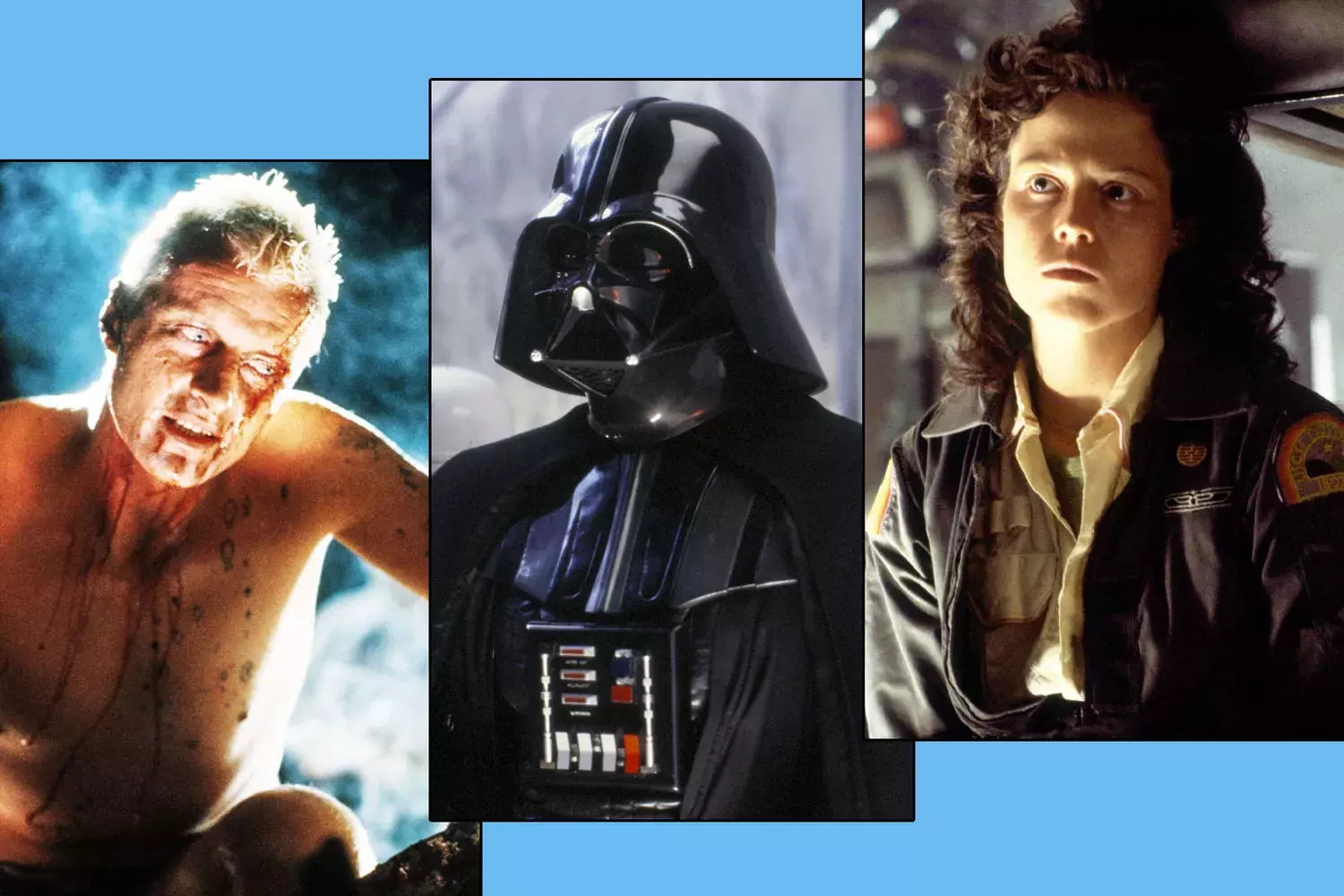
Similarly, "Alien" established itself as a seminal work by blending sci-fi with horror, creating a claustrophobic and terrifying experience. Set on a desolate spacecraft, it uses the vastness of space to amplify the feeling of inescapable dread. The film's iconic creature, the Xenomorph, emerges from the shadows to stalk the crew, turning their cramped vessel into a horrific maze. This pioneering approach to space horror, combined with Sigourney Weaver's groundbreaking portrayal of Ripley, redefined expectations for female protagonists in action roles and cemented the film's place as a cultural touchstone.
Modern Interpretations: Contemporary Sci-Fi's Enduring Themes
In contemporary science fiction, films such as Denis Villeneuve's "Arrival" and the Wachowskis' "The Matrix" continue to push conceptual boundaries, reflecting modern societal anxieties and technological advancements. "Arrival" reimagines the alien encounter narrative, shifting the focus from conflict to communication. By emphasizing linguistics and the philosophical implications of understanding a non-linear perception of time, the film offers a deeply emotional and intellectually stimulating experience that celebrates empathy and the power of connection. It's a reminder that even in the face of the unknown, human curiosity and the desire to understand can lead to profound revelations.
"The Matrix," on the other hand, arrived at the turn of the millennium, perfectly capturing the era's growing concerns about virtual realities and the nature of perception. Its groundbreaking visual effects and philosophical premise—that our world might be a simulated construct—resonated deeply with audiences. The film's exploration of free will versus determinism, alongside its iconic action sequences, cemented its status as a cultural phenomenon that continues to influence discussions on artificial intelligence, reality, and humanity's future in an increasingly digital world. These films demonstrate that science fiction remains a vital genre for grappling with humanity's evolving relationship with technology and the universe.
About the author
Shonda Rhimes
Prolific television creator ("Grey's Anatomy," "Scandal") and author on creativity and empowerment.