The Essential Guide to Choosing the Best Skillet for Your Kitchen
ByKwame Onwuachi
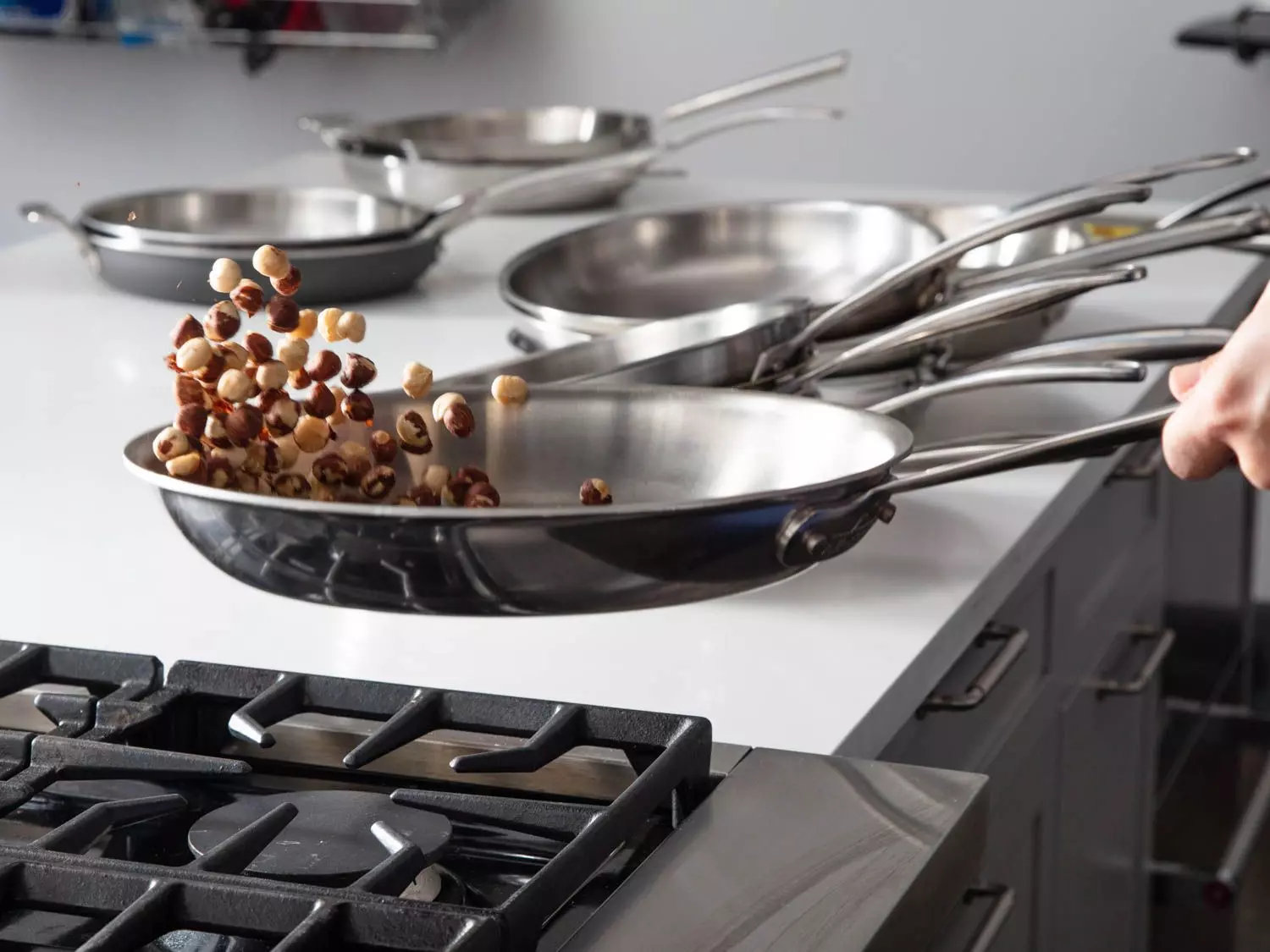
A skillet, also known as a frypan or frying pan, is an indispensable kitchen tool with a wide cooking surface and shallow, sloping sides. These versatile pans are essential for various cooking techniques, including crisping, searing, sautéing, frying, and even baking. The choice of skillet significantly impacts cooking performance, with different materials offering unique advantages. Understanding these differences is key to selecting the perfect pan for your culinary needs.
Selecting the Ideal Skillet: A Comprehensive Guide to Materials, Sizes, and Features
Choosing the right skillet involves considering several crucial factors. The material of the pan, such as stainless steel, carbon steel, ceramic nonstick, or cast iron, dictates its performance characteristics, including durability, heat conductivity, and acid reactivity. For instance, cast iron excels in heat retention and searing but requires careful maintenance and can react with acidic foods. Conversely, ceramic nonstick offers easy food release and quick heating, ideal for delicate items like eggs, but may not withstand high temperatures or metal utensils. Pan size should align with your cooking volume, ensuring enough space for ingredients to brown effectively. Shape also plays a role; skillets have sloping sides for tossing food and steam release, while sauté pans have straight, taller sides for simmering. Induction compatibility is another consideration for those with induction cooktops, as not all materials or clad constructions are suitable. Finally, price varies widely, with durable, high-quality options available across all budgets, from affordable cast iron to premium enameled cast iron.
Ultimately, the perfect skillet is one that aligns with your specific cooking habits and preferences, enhancing both the efficiency and enjoyment of your time in the kitchen.
About the author
Kwame Onwuachi
Award-winning chef and author telling his story through recipes that explore African Diaspora cuisine.