Essence Festival Departs New Orleans After Three Decades, City Plans Successor Cultural Event
ByMindy Kaling
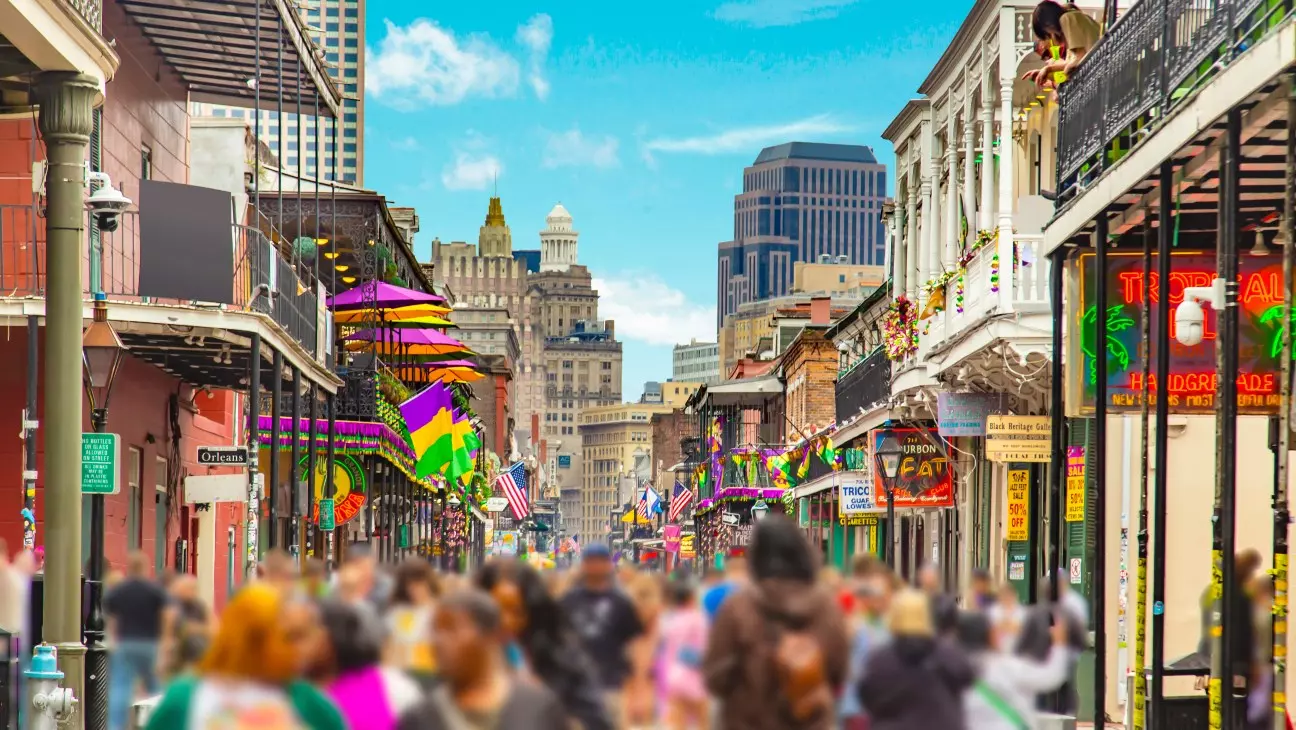
After more than three decades as a cornerstone of Black American cultural celebration, the Essence Festival of Culture is bidding farewell to its long-standing home in New Orleans. The organizers, Essence Communications, conveyed their deep appreciation for the city's embrace and its role in fostering the festival's growth into a globally recognized event. While the announcement of the relocation was made public, specifics regarding the new host city or the underlying reasons for the departure remain undisclosed. This move signifies a significant shift for the annual multi-day event, which has consistently drawn top-tier musical talent, high-profile political figures, and a vast audience, becoming synonymous with the city's vibrant cultural landscape around the Fourth of July weekend. Its legacy in New Orleans is one of profound cultural enrichment and community engagement.
In response to the Essence Festival's departure, New Orleans is proactively shaping its future cultural narrative. Mayor Helena Moreno has unveiled ambitious plans for a forthcoming "world-class" festival dedicated to Black American culture, slated for an announcement in early December. This new initiative is strategically designed to ensure broader economic advantages for local enterprises, particularly Black-owned businesses, addressing previous concerns about equitable distribution of benefits from large-scale events. Despite the Essence Festival's reported substantial economic contributions—including billions in impact and thousands of jobs—it faced local critiques regarding community engagement and accessibility for smaller businesses, exemplified by past legal disputes over event hosting restrictions. The city's new endeavor aims to retain its status as a premier destination for Black cultural celebrations while fostering more inclusive local economic participation.
A Legacy Departs: Essence Festival's New Orleans Era Concludes
The Essence Festival of Culture, a monumental annual gathering celebrating Black American heritage, is set to conclude its three-decade-plus tenure in New Orleans. This significant cultural institution, initiated in 1995, has become an integral part of the city's identity, especially during the Fourth of July period. Organizers from Essence Communications confirmed the festival's relocation, acknowledging New Orleans' pivotal role in nurturing the event into a globally recognized platform for music, empowerment, and community. Although the exact reasons for this move and the festival's next destination have not yet been disclosed, the announcement marks the end of a long and impactful relationship. Over the years, the festival has consistently attracted a stellar lineup of musical performers and served as a crucial forum for political discourse and voter mobilization, cementing its status as a cornerstone event for the Black community and a significant draw for the city.
For over 30 years, the Essence Festival has been more than just a series of concerts; it evolved into a vibrant, multi-faceted celebration deeply embedded in the cultural fabric of New Orleans. Founded as the Essence Music Festival to commemorate Essence magazine's 25th anniversary, it rapidly expanded its scope to include forums on social issues, entrepreneurship, and political engagement, drawing prominent figures from Vice President Kamala Harris to civil rights leader Rev. Al Sharpton. The festival's profound connection with the city was often highlighted by organizers, who praised New Orleans for its unique ability to embrace and amplify Black culture. While its economic contributions were substantial, generating billions in impact and thousands of jobs, the festival's growth also brought challenges. Discussions surrounding the equitable distribution of its benefits among local businesses and controversies over "Clean Zone" ordinances occasionally created friction. Nevertheless, its departure leaves a notable void, concluding a chapter filled with historic performances, critical conversations, and unparalleled cultural vibrancy that defined the Independence Day celebrations in the Crescent City for generations. The festival's legacy in New Orleans will undoubtedly be remembered as a period of immense cultural pride and economic activity.
New Horizons: New Orleans Forges Ahead with Indigenous Cultural Celebration
In the wake of the Essence Festival's announced departure, New Orleans is swiftly moving to establish a new cultural landmark. Mayor Helena Moreno has revealed the city's intentions to launch a "world-class" festival specifically dedicated to Black American culture, with further details expected in early December. This proactive step underscores the city's commitment to maintaining its reputation as a leading hub for Black cultural expression and celebration. A key objective of this forthcoming event is to ensure that local businesses, particularly those within the Black community, receive widespread benefits and equitable opportunities, directly addressing prior concerns about the trickle-down economic impact of large festivals. By developing a new, city-backed event, New Orleans aims to curate a festival that is not only a major draw for visitors but also deeply integrated with and beneficial to its resident communities, fostering sustainable local economic growth and participation.
New Orleans' initiative to create a new signature cultural event represents a strategic pivot aimed at cultivating a festival that is deeply rooted in the city's unique spirit and directly supports its diverse local economy. Mayor Moreno emphasized that the new festival will collaborate with leading Black producers from across the nation, ensuring an event that recognizes the intrinsic appeal of New Orleans itself as a primary attraction. This approach contrasts with some of the criticisms leveled at the outgoing Essence Festival, which, despite its massive economic footprint ($1.3 billion from 2022-2025 and 11,000 jobs supported), faced scrutiny from local residents and businesses. Past disputes, such as those involving a Black-owned bookstore in 2023 and a music club in 2022 over event permitting and "Clean Zone" restrictions, highlighted the need for more inclusive economic models. The city's new festival endeavors to build on New Orleans' rich cultural heritage, providing a platform that not only entertains but also genuinely uplifts its community by maximizing opportunities for local vendors, artists, and entrepreneurs. This forward-looking strategy ensures that the city continues to lead in celebrating Black culture while fostering a more equitable and beneficial relationship with its residents and businesses.
About the author
Mindy Kaling
Actress, writer, producer, and author of humorous essays on Hollywood and life.