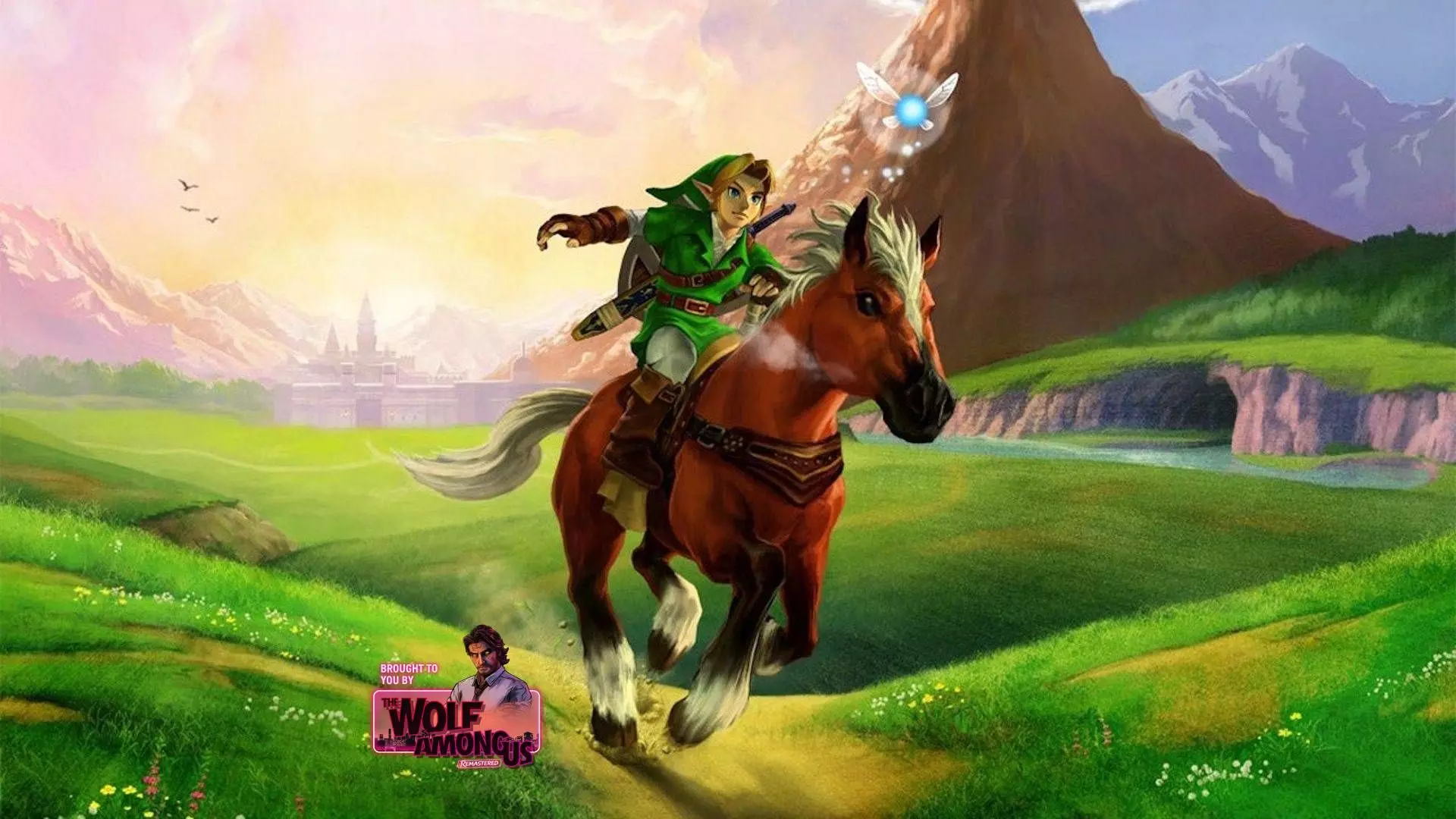
The Enduring Magic of Zelda: A Timeless Fairy Tale
ByReiner Knizia
The enduring appeal of The Legend of Zelda series transcends mere technical brilliance; its true essence resides in its ability to transport players into a realm of enchanting folklore and timeless tales. Far from being just a series of expertly designed games, Zelda captivates hearts by weaving narratives that feel as foundational and evocative as classic literature. Each installment, set within the mystical land of Hyrule, unfolds like a cherished legend, passed down through generations. This narrative approach, coupled with the recurring motif of Link as a folkloric hero rather than a single individual, imbues the series with a unique warmth and wonder that resonates deeply with players, evoking the comforting sensation of being told a magical bedtime story.
The Unfolding Saga of Hyrule: A Legacy of Enchantment
As the much-anticipated remake of Ocarina of Time for the Switch 2 approaches, fans and newcomers alike are prompted to reflect on what makes The Legend of Zelda so extraordinarily special. While Nintendo's masterful game design, whether in pixelated realms or expansive 3D landscapes, certainly contributes to its success, the true magic lies in its narrative spirit. The series eschews a cold, mechanical explanation for its triumph, instead radiating an infectious warmth and joy that define the experience of exploring a Zelda game.
Over time, it has become clear that understanding the true spirit of Zelda requires viewing it not simply as a collection of games, but as a compendium of fairy tales. The very title, "The Legend of Zelda," hints at this, suggesting each game chronicles a long-revered folktale. Every new adventure is akin to reading a fresh story about the magical kingdom of Hyrule, teeming with mythical creatures and breathtaking wonders. The convoluted timeline, often debated by fans, paradoxically reinforces this fairy tale quality, as the mostly self-contained narratives allow players to embrace each game as a distinct, grand saga.
Central to this folkloric feeling is Link, presented not as a single character, but as an archetypal hero—a mantle passed down through different boys across time. Just as there is always a chosen slayer in certain sagas, so too is there always a Hero of Time in Zelda lore. This enduring legacy positions Link as a figure akin to the Pied Piper, a symbol of courage and destiny, rather than a singular, bounded personality. This continuity, yet distinctiveness, in the hero's portrayal deepens the series' connection to timeless myths.
To truly grasp the fairy tale framework of the series, one needs only to begin describing any Zelda game with "Once upon a time." Whether it's the tale of a boy seeking his fairy, a kingdom floating in the clouds, or the intertwining destinies of light and dark worlds, each premise fits perfectly into the classic storytelling tradition. Even the eerie ambiance of Majora's Mask echoes the dark, cautionary tones of a Brothers Grimm fairy tale, proving that nearly any Zelda narrative can be retold as a captivating bedtime story.
This is the profound sensation many players experience: a feeling that transcends technical game design. It's the comforting imagery of being read a magical tale, sparking the imagination and inspiring one's own creative endeavors, much like the author's childhood stories of Goron and Zora wars. This enchantment persists into adulthood, as opening a new game like Tears of the Kingdom still conjures the thrill of embarking on a mythical journey filled with dragons and time-traveling princesses.
As many aging gamers ponder which virtual worlds to share with future generations, acknowledging that video games have shaped their development as profoundly as storybooks shaped their parents, the Zelda series stands out. While the magic of classic titles like Sonic the Hedgehog 2 or Pitfall! might wane, the timeless, magical narratives of Zelda are destined to be passed down as enduring folklore.
The anticipation for The Legend of Zelda: Ocarina of Time's Switch 2 remake stems from this deep-seated appreciation. Beyond any cynical view of it as a shrewd business move by Nintendo, there's a romantic perspective that sees it as a fresh retelling of a beloved fairy tale, presented in a way that resonates with younger audiences. As long as it continues to inspire children to share the legend of the boy with a magical ocarina, every return to the enchanting lands of Hyrule will be met with open arms.
From a journalist's perspective, The Legend of Zelda's enduring success offers a powerful insight into the universal human need for storytelling and connection. In an era dominated by hyper-realistic graphics and complex mechanics, Zelda reminds us that the true magic of interactive entertainment lies in its ability to evoke wonder, foster imagination, and create narratives that feel deeply personal and culturally resonant. This series isn't just a collection of games; it's a living anthology of modern folklore, continuously evolving while retaining its core essence. It teaches us that some stories are so powerful, so inherently human, that they transcend platforms and generations, deserving to be retold and cherished forever. The continued reimagining of these tales ensures that the spirit of adventure and the magic of Hyrule will captivate new hearts, much like ancient myths have done for millennia.
About the author
Reiner Knizia
Prolific and award-winning board game designer with a PhD in mathematics, known for elegant game mechanics.