The Enduring Legacy of "The Outer Limits": A Sci-Fi Anthology's Unique Identity
ByRoberta Williams
"The Outer Limits," a science fiction anthology that premiered in the 1960s, is often seen as a response to the immense popularity of "The Twilight Zone." Despite its origins as a supposed imitation, it quickly distinguished itself through its distinctive storytelling, groundbreaking visual effects, and a roster of talented writers. This article delves into the series' initial reception, its unique contributions to the sci-fi genre, and its enduring influence on pop culture, demonstrating how it transcended mere replication to become a significant cultural touchstone.
"Beyond the Horizon: Exploring the Unseen Worlds of 'The Outer Limits'"
The Genesis of a Sci-Fi Phenomenon: From Imitation to Innovation
In the vibrant landscape of 1960s television, the success of "The Twilight Zone" inspired many to venture into the realm of speculative fiction. Among these was "The Outer Limits," conceived by Leslie Stevens, which debuted as ABC's answer to CBS's hit. Both series adopted an anthology format, presenting distinct narratives and characters each week, exploring profound themes through the lens of science fiction. While "The Twilight Zone" featured Rod Serling's iconic narration and trippy visuals, "The Outer Limits" countered with Vic Perrin's eerie voiceovers and an oscilloscope display, creating equally memorable intros that captivated audiences. These initial similarities eventually gave way to a series that developed its own unique voice.
Crafting Compelling Narratives: A Journey into the Unknown
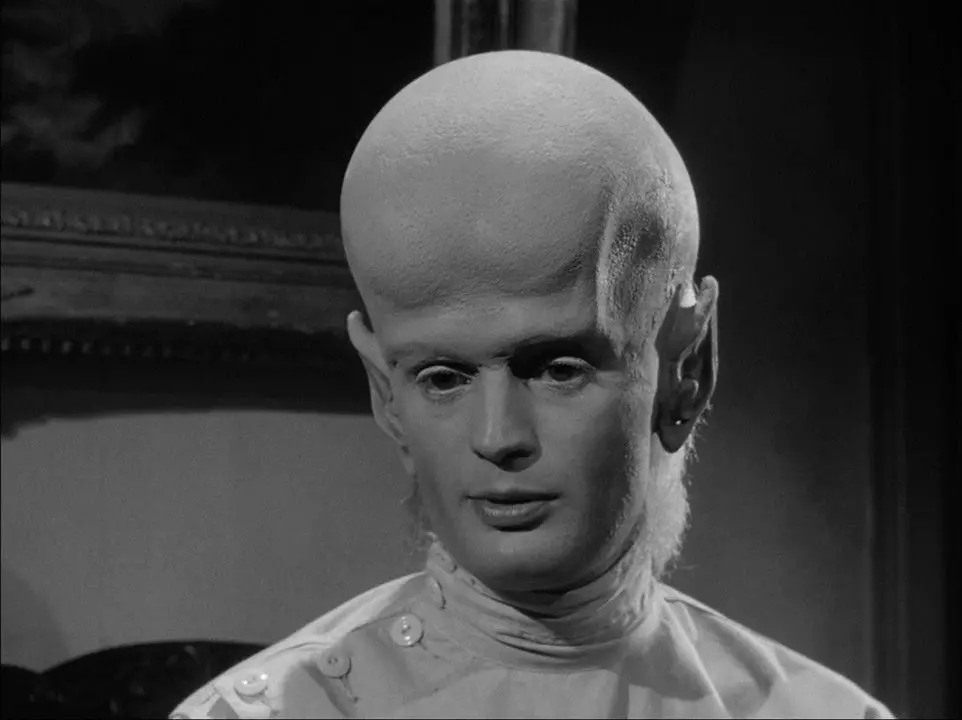
Distinguishing itself from its predecessor, "The Outer Limits" boasted a formidable writing team, including talents like Harlan Ellison and Joseph Stefano, known for his work on "Psycho." Their contributions resulted in episodes that pushed the boundaries of imagination. For instance, "The Architects of Fear" explored humanity's divisions through a staged alien invasion, while "The Man Who Was Never Born" delved into the bleak future of a 22nd-century Earth. "The Sixth Finger" presented a gripping tale of accelerated human evolution, and "I, Robot" (sharing source material with the Will Smith film) tackled the complex ethical questions surrounding artificial intelligence and justice. These concepts, though seemingly simple by today's standards, were revolutionary in the 1960s and marked "The Outer Limits" as a pioneer in thought-provoking science fiction, complemented by its advanced makeup and creature effects for the era.
Navigating the Airwaves: Scheduling Challenges and Unexpected Triumphs
The journey of "The Outer Limits" was also influenced by a stroke of fortuitous timing. Its premiere coincided with a period when "The Twilight Zone" experienced a dip in quality during its expanded fourth season. This brief vulnerability in its competitor's run may have inadvertently boosted the visibility of "The Outer Limits," demonstrating a clear audience appetite for such narrative formats. While its first season garnered considerable success, a shift in its broadcast schedule during the second season led to a significant drop in ratings, culminating in its premature cancellation. Nevertheless, this was not the end for the series, as it enjoyed a highly successful revival in the 1990s, running for an impressive seven seasons, a longevity that subsequent "Twilight Zone" reboots have struggled to match.
An Ironic Twist of Fate: "The Outer Limits" and Its Legacy of Influence
Perhaps one of the most ironic aspects of "The Outer Limits" is its own experience with plagiarism allegations. Decades after its original run, the acclaimed film "The Terminator" faced claims from Harlan Ellison, who argued that the movie's core concept mirrored his "Outer Limits" episode, "The Soldier." Both narratives featured futuristic warriors battling in the past. Despite initial denials from director James Cameron, the production company, Orion, eventually settled with Ellison, ensuring his credit on all future releases of "The Terminator." This incident not only highlighted the series' lasting impact but also echoed the kind of poignant, often ironic, storytelling that both "The Outer Limits" and "The Twilight Zone" so masterfully explored.
About the author
Roberta Williams
Pioneer of graphic adventure games, co-founder of Sierra On-Line, and creator of "King's Quest."