The Enduring Influence of Dolls on Fashion: A Deep Dive into 'Doll Dressing'
ByTan France
Colleen Hill's journey into the world of fashion history, sparked by childhood play with American Girl dolls, culminates in the captivating exhibition 'Doll Dressing' at the Museum at the Fashion Institute of Technology (MFIT). This comprehensive showcase, featuring over 170 objects from the 18th century to today, delves into the multifaceted relationship between dolls and fashion. Beyond mere toys, the exhibition portrays dolls as evolving cultural barometers, reflecting shifts in societal views on race, gender, and identity, while simultaneously acting as muses and models for renowned designers. It’s a compelling narrative that challenges preconceived notions and invites visitors to reconsider the profound impact these miniature figures have had on the fashion landscape.
The exhibition meticulously traces the historical trajectory of dolls, from their initial role as sophisticated fashion envoys in the 16th to 18th centuries—circulating the latest trends among European elite—to their transformation into cherished children's playthings designed to teach needlework. It further explores their modern relevance, showcasing how dolls have been reimagined to champion inclusivity and self-expression. From the pioneering efforts of early 20th-century designers like Jeanne Lanvin and Madeleine Vionnet, who utilized dolls and mannequins for their creations, to contemporary figures such as Jason Wu and Emily Adams Bode Aujla, the exhibition illustrates a continuous dialogue between the miniature and the magnificent, proving that dolls are far more than just playthings.
From Playthings to Pacesetters: Dolls' Enduring Fashion Legacy
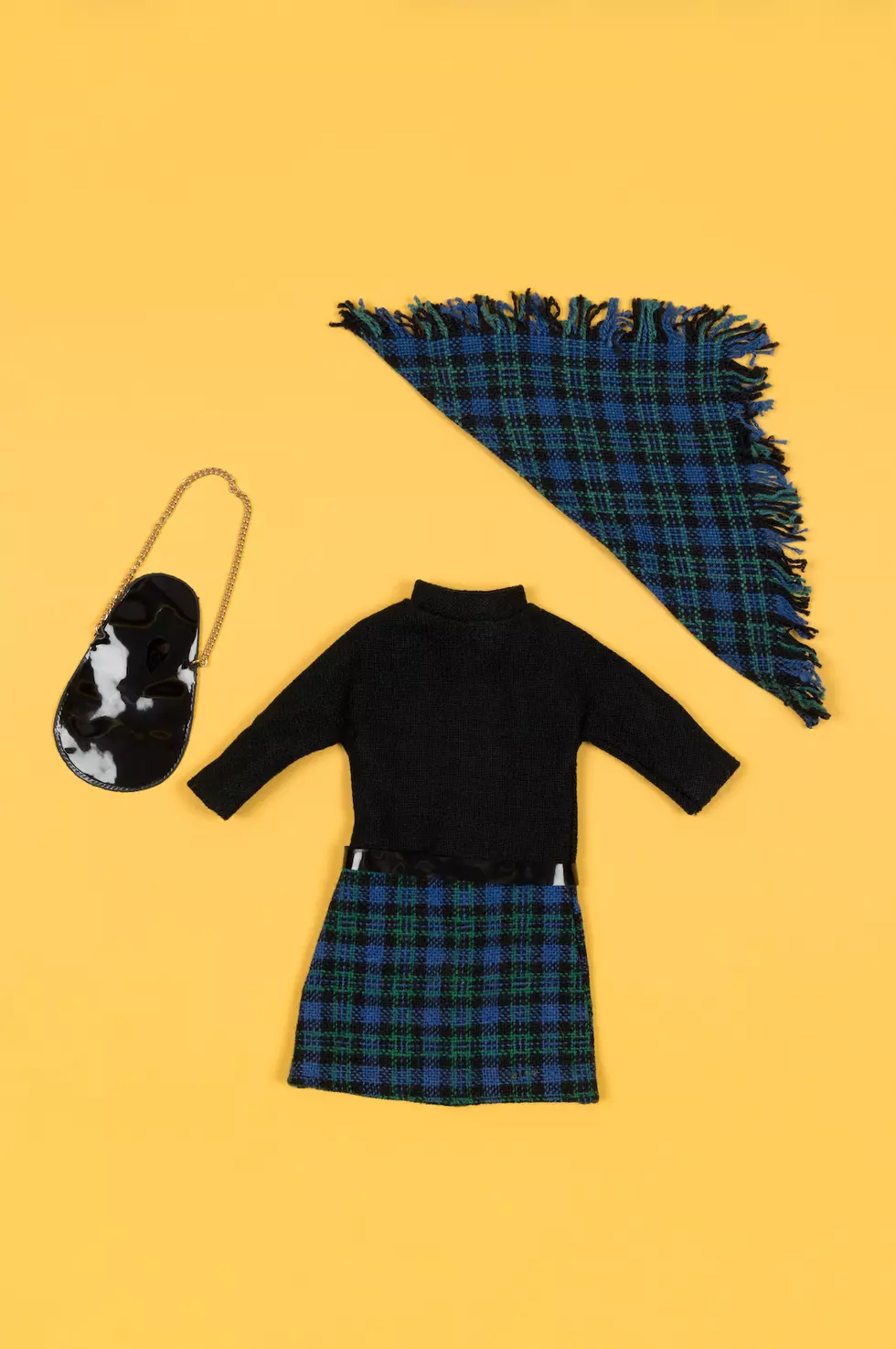
Colleen Hill, the visionary senior curator of costume at MFIT, embarked on her passion for fashion history through the enchanting world of American Girl dolls, specifically Samantha Parkington's Edwardian-era attire. This early fascination echoes a common trajectory for many fashion historians, including Hill herself, who vividly recalls the influence of narratives like 'Henriette: The Story of a Doll,' where a 19th-century porcelain doll's journey is intricately tied to her elaborate, restrictive clothing. Inspired by this lifelong connection and a recent cultural resurgence of doll-like aesthetics in popular media like 'Barbie' and 'Poor Things,' Hill curated 'Doll Dressing.' This groundbreaking exhibition at MFIT, running until January 3, 2027, meticulously explores the complex, centuries-old relationship between dolls and fashion. With over 170 artifacts, including antique dolls, modern garments, accessories, videos, and art, the show not only acknowledges but also critically re-evaluates the prevalent stereotypes associated with these iconic toys and collectibles.
Initially, Hill harbored concerns that an exhibition centered on historical European or North American porcelain dolls might appear exclusive. However, her extensive research into dolls' representation in 20th and 21st-century fashion revealed an inherently inclusive narrative encompassing diverse races, ages, genders, and sexualities. The exhibition's opening segment, 'We Can All Be Dolls,' powerfully sets this inclusive tone, featuring items like a 2022 Laverne Cox Barbie and a doll advocating for 'Black Dolls Matter,' a non-profit dedicated to providing Black and brown dolls to children of color. Also highlighted is Conner Ives's 'Protect the Dolls' T-shirt, created to support Trans Lifeline, referencing the term 'doll' as an affectionate descriptor for feminine trans women within 1980s Black and Latina drag-ball culture. The display further challenges aesthetic norms with photographs of Pat McGrath's 'glass skin' makeup, defying the traditional association of porcelain skin with whiteness, and Mattel's 2019 gender-neutral Creatable World figures, showcasing their adaptable wigs and clothing options.
The Evolving Narrative of Dolls: From Historical Models to Modern Icons
The exhibition offers a fascinating exploration into how dolls' roles and audiences have transformed over time. Initially, from the 16th to the 18th centuries, fashion dolls served as crucial miniature models, facilitating the dissemination of the latest styles between distant cities and countries. These exquisitely dressed figures often accompanied detailed dressmaker manuals, enabling the replication of trends into full-sized garments. As fashion plates gained prominence in the late 18th century, dolls transitioned into premium children's toys, doubling as educational tools that encouraged young girls to learn sewing skills to outfit their dolls. The early 20th century saw a shift towards baby dolls, exemplified by a 1939 Louis Vuitton baby-doll-wardrobe combination featured in 'Doll Dressing,' providing a natural bridge to showcase the frilly, youthful designs inspired by baby-doll fashion from the 20th and 21st centuries. The display also celebrates the hyper-feminized wardrobe of Barbie, tracing the origins of iconic outfits like Margot Robbie's pink gingham dress from the 'Barbie: The Movie' back to London boutique Biba's popular 1964 mail-order design, and incorporates scenography that mirrors the translucent neon-pink plastic of Barbie's dreamhouse.
One of the exhibition's most thought-provoking sections, 'All Dolled Up,' investigates the concept of the 'living doll' through three archetypes: the 1920s flapper, the 1960s dolly bird, and the 20th/21st-century Lolita. While the latter two have often been trivialized or fetishized, Hill asserts that such interpretations fundamentally misunderstand the agency involved. She emphasizes that women and individuals who adopt doll-like aesthetics possess significant empowerment, choosing to express themselves in ways that challenge societal uniformity and are not solely for external validation or to impress others. This section underscores the notion that even seemingly childlike fashion choices, like the Rococo and Victorian-inspired frills of Lolita style, can be powerful acts of self-expression. Furthermore, the final section, 'Broken Dolls,' confronts the subversive side of dolls, acknowledging their presence in horror films and their influence on rebellious aesthetics like the 'kinderwhore' grunge movement of the 1990s, suggesting that even negative reactions to dolls can be creatively productive.
About the author
Tan France
Fashion designer and TV host ("Queer Eye"), known for his classic style advice.