The Enduring Fairy Tale Roots of The Witcher 3: Wild Hunt
ByJane McGonigal
The expansive universe of The Witcher, encompassing novels, games, and television, draws its fundamental essence from age-old folk tales. The very first collection of short stories, 'The Last Wish,' is replete with these references. For instance, 'A Grain of Truth' reimagines 'Beauty and the Beast,' while 'A Question of Price' echoes the narrative of 'Cinderella.' The titular story, 'The Last Wish,' takes inspiration from 'Aladdin and the Wonderful Lamp,' showcasing a genie granting desires. These foundational influences are not merely surface-level but are deeply embedded within the franchise's creative DNA.
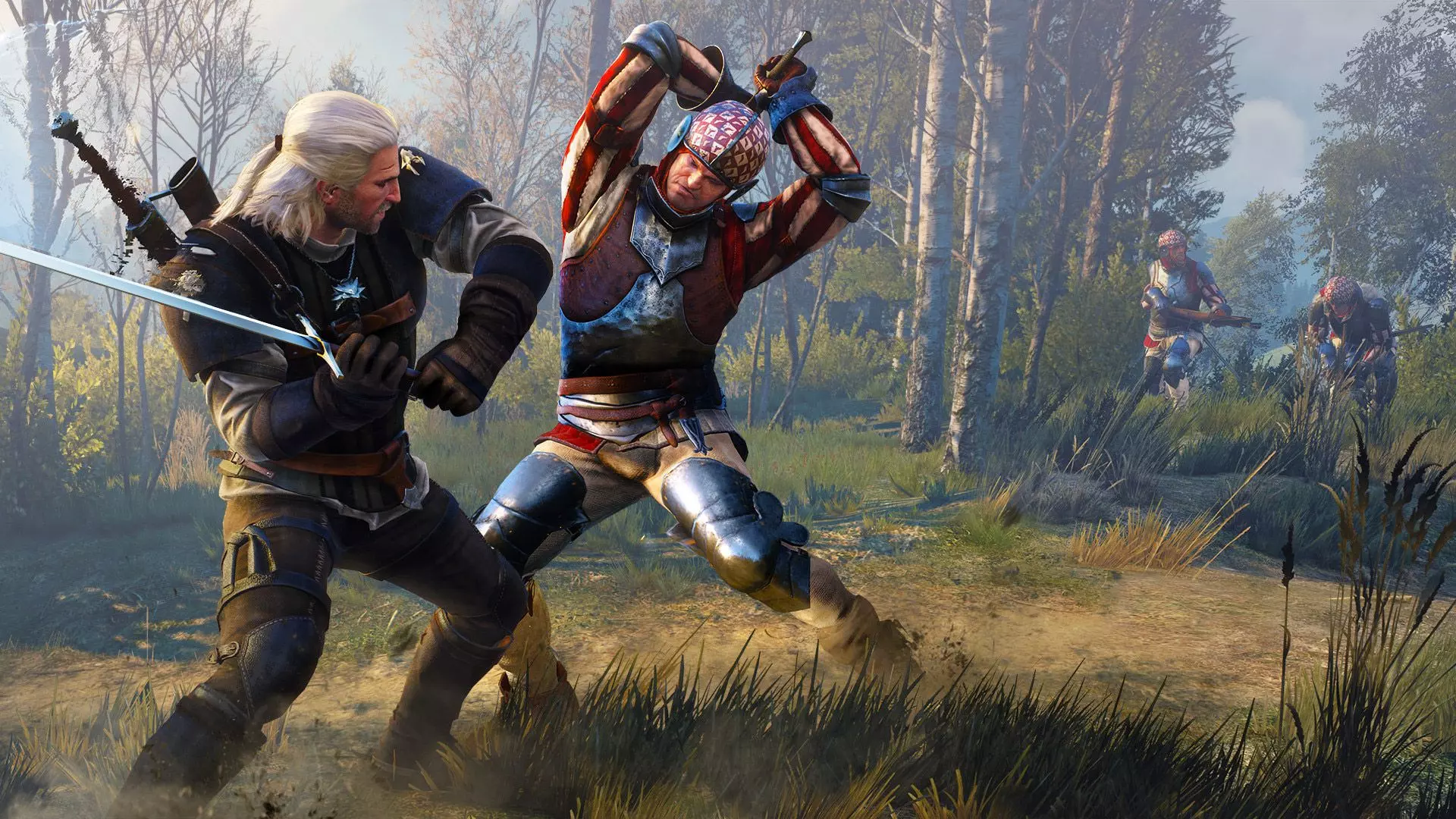
These narrative inspirations extend powerfully into 'The Witcher 3: Wild Hunt,' a title widely celebrated as a benchmark in the RPG genre. CD Projekt Red's creation elevated the standard for engaging side quests, and two particular quest lines prominently feature this fairy tale structure, albeit infused with a decidedly darker tone. This deliberate integration demonstrates how classic narratives can be reinterpreted to create novel and compelling player experiences within a vast fantasy world.
One of the most memorable examples from the main game is the quest 'Ladies of the Wood.' This quest introduces players to the Crones of Crookback Bog: Weavess, Brewess, and Whispess. These three grotesque sisters, who murdered their mother, the original Lady of the Wood, are a central, terrifying force in the swamp. Geralt's quest to find Ciri eventually leads him to these witches. He first encounters orphans under the care of 'Gran,' who is later revealed to be Anna Strenger, the cursed wife of the Bloody Baron, enslaved by the Crones. The Crones' reappearance as worshipped figures in a mountain village, ultimately preying on their devotees, showcases their malevolent power. Ciri's valiant struggle sees her eliminate two of them, though the Weavess manages to escape. This narrative thread is heavily influenced by 'Hansel and Gretel' due to its themes of cannibalism and the luring of children, and also by the Slavic 'Baba Yaga' figure and Shakespeare's Three Witches from 'Macbeth,' with a direct quote adapted in their in-game bestiary entry.
The 'Blood & Wine' expansion further deepens this connection with fairy tales, particularly through the 'Land of a Thousand Fables' or Fablesphere. This fantastical realm, conjured by illusionist Artorius Vigo, tasks Geralt with navigating a world where classic fairy tale creatures have turned rogue. The quest proudly embraces its inspirations, guiding Geralt along a yellow brick road to rescue Syanna. Along this journey, he encounters characters reminiscent of 'The Wizard of Oz's' Wicked Witch, plants magical beans echoing 'Jack and the Beanstalk,' visits the three bears from 'Goldilocks,' defeats the big bad wolf from 'Little Red Riding Hood,' and slays three evil boars from 'The Three Little Pigs.' The symbolism is particularly fitting given Geralt's moniker, the White Wolf.
Additionally, the side quest 'Duck, Duck, Goosed!' is directly inspired by Mother Goose, a character prominent in English and French folklore. These examples are just a fraction of the numerous fairy tale allusions present within the Fablesphere, illustrating the sheer depth of this thematic integration. The rich and often dark interpretations of beloved fairy tales are a compelling reason to experience 'The Witcher 3,' especially with its recent remaster. Whether you are a newcomer or a returning player, delving into the game now offers a prime opportunity to uncover these intricate narrative layers and appreciate the masterful storytelling.
In summary, the profound influence of classic fairy tales is a cornerstone of 'The Witcher 3: Wild Hunt's' narrative brilliance. From its literary roots to its meticulously crafted in-game quests and expansions, the game consistently reinterprets well-known stories with a mature, darker twist. This approach provides both familiar echoes and fresh, captivating experiences, solidifying the game's place as a masterpiece that cleverly leverages timeless folklore to build a deeply engaging fantasy world.
About the author
Jane McGonigal
Game designer and author who writes about using games to improve real life and solve problems.