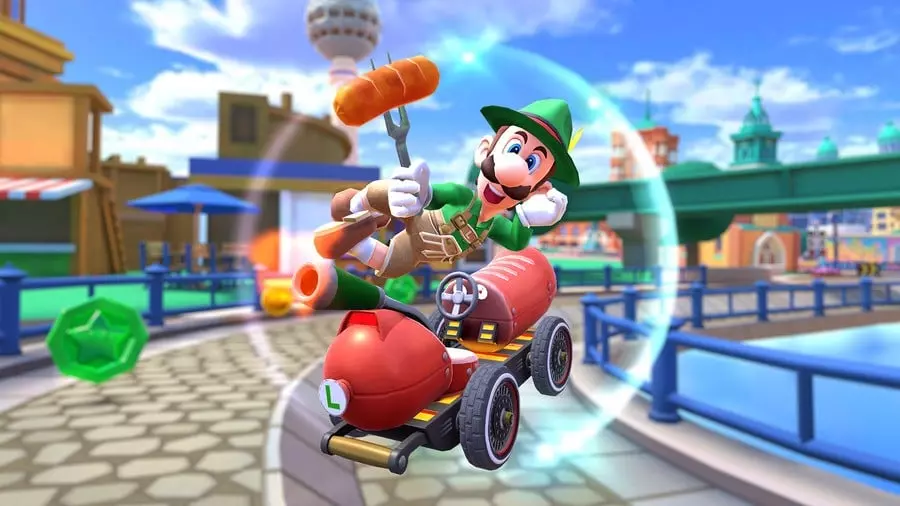
The Emotional Rollercoaster of Mario Kart Tour's End
ByRoberta Williams
This article explores the deep emotional connection a long-time player developed with Mario Kart Tour over seven years, and the complex feelings that arise as the game's service comes to an end. It delves into the daily routines, the joy of community, and the profound disappointment caused by the game's closure and the absence of an offline version.
When Your Digital World Disappears: The Bittersweet End of a Seven-Year Race
The Journey Begins: Nintendo's Mobile Racing Endeavor
On September 24, 2019, Nintendo introduced Mario Kart Tour to the mobile gaming world. This launch marked Mario's second venture into the mobile space, following Super Mario Run in 2016. While Super Mario Run initially garnered attention, it struggled to generate significant revenue compared to other mobile giants, including Nintendo's own Fire Emblem Heroes. Mario Kart Tour was designed with mobile player expectations in mind and aimed to address the shortcomings of its predecessor, proving to be more commercially successful at the time. Ironically, Super Mario Run continues to receive updates, while Mario Kart Tour is slated to conclude its service on Wednesday, September 30, 2026. This impending closure has left many long-term players, including the author, with a mixture of complex emotions.
A Daily Ritual: Seven Years on the Track
The author recounts a dedicated routine of playing Mario Kart Tour every day since its inception seven years ago. This daily commitment involved spending an hour each Tuesday before bed, striving to dominate weekly rankings and accumulate precious Rubies. The game became a constant companion during commutes, lunch breaks, and through significant life changes like the COVID-19 pandemic, relocations, and career shifts. The author meticulously progressed through every cup, completed every challenge, and painstakingly upgraded characters and karts to their maximum potential. The realization that this consistent engagement will soon cease, not by personal choice, but by the game's termination, is a difficult pill to swallow.
The Double-Edged Sword of Game Closure: Relief and Disappointment
While the cessation of Mario Kart Tour's service brings a strange sense of relief, it also carries a significant sting. The game stopped receiving new content on October 4, 2023, save for a single promotional tour for Mario Kart World in 2025. This meant that for a considerable period, loyal players like the author were engaged in a cycle of repetition, replaying existing content. The author expresses a paradoxical joy in reclaiming the hours previously dedicated to the game, hinting at a growing backlog of other titles awaiting attention. However, this relief is tempered by the understanding that the game, despite its stagnation, remained enjoyable. The absence of new content inadvertently created a tangible endpoint for the author, motivating them to unlock all available items, a goal often hindered by the gacha system's reliance on luck. The impending shutdown means this ultimate completion will never be achieved, fueling a strong sense of anger and frustration.
The Live-Service Dilemma: Lost Progress and Missed Opportunities
The author draws parallels to Animal Crossing: Pocket Camp, a game they approached strategically after its offline "Complete Edition" was announced, ensuring a permanent save file. This contrasts sharply with the fate of Mario Kart Tour, where seven years of effort and continuous play will simply vanish. This experience is not new to players of live-service games, as fans of titles like Dragalia Lost have faced similar closures. However, for the author, Mario Kart Tour represents the first personal encounter with such a loss, akin to a save file being irrevocably deleted, but without the personal culpability of a hardware error. This external erasure of hard-earned progress and time invested by Nintendo themselves is a source of profound annoyance and a testament to the precarious nature of online-only titles.
A Legacy Left Behind: Unforgettable Content and Character Departures
The final months leading up to the game's closure have been disheartening, exacerbated by the limited window for obtaining certain drivers like Hiker Wario and Party Time Lakitu, which were seasonally exclusive. This restriction dashed the author's hope of collecting every driver. Despite its mobile platform and initial skepticism from some fans, Mario Kart Tour introduced a wealth of original content, including characters like Dixie Kong, King Bob-omb, and the fan-favorite Poochy, who are unlikely to be playable in future Mario Kart titles after the service ends. While Kamek transitioned to Mario Kart 8 Deluxe through its Booster Course Pass DLC, along with several of Tour's original courses like Yoshi's Island and Ninja Hideaway, many unique tracks, such as the memorable RMX Vanilla Lake 2 with its drivable igloo, and the entirely original Piranha Plant Pipeline, will become inaccessible. Beyond characters and courses, the game also featured an extensive collection of karts and gliders, including creative designs like a double-decker bus kart and 8-bit gliders, all of which will be lost. This vast amount of content disappearing underscores the magnitude of the loss and the disappointment felt by dedicated players.
The Lingering Aftertaste: A Mix of Emotions and Unanswered Questions
The author concludes by describing a heart filled with a "mixing pot of feelings" regarding their seven-year journey with Mario Kart Tour. Despite the bitter taste of disappointment, there are no regrets about the time spent, citing the enjoyment of playing and engaging with a vibrant community that actively discussed and speculated about future game additions. The camaraderie and shared enthusiasm, like the humorous anticipation of Baby Wario and Baby Donkey Kong, are fondly remembered. However, the prevailing sentiment is one of letdown, both for the game's untapped potential (particularly concerning the character-to-costume ratio) and Nintendo's ultimate handling of its closure. The abandonment of MK Tour leaves long-time players with little more than a "Thanks for Playing!" message, a stark reminder of the impermanence of digital investments. The author ends with a poignant, somewhat ironic reflection, still actively playing Fire Emblem Heroes and harboring a lingering hope for an offline version of that game—a hope possibly born from this very experience.
About the author
Roberta Williams
Pioneer of graphic adventure games, co-founder of Sierra On-Line, and creator of "King's Quest."