Embracing Inefficiency: Priyanka Mattoo's Path to a Lighter, More Joyful Life
ByRuth E. Carter
This article explores Priyanka Mattoo's personal and literary journey, delving into her insights on combating pervasive productivity culture and reclaiming joy through strategic inefficiency. It highlights her experiences as a mother and daughter of immigrants, providing a candid look into the societal pressures that lead to burnout, especially for women.
Unburden Yourself: The Revolutionary Act of Doing Less
The Transformative Power of Prioritizing Personal Well-being in Authorship
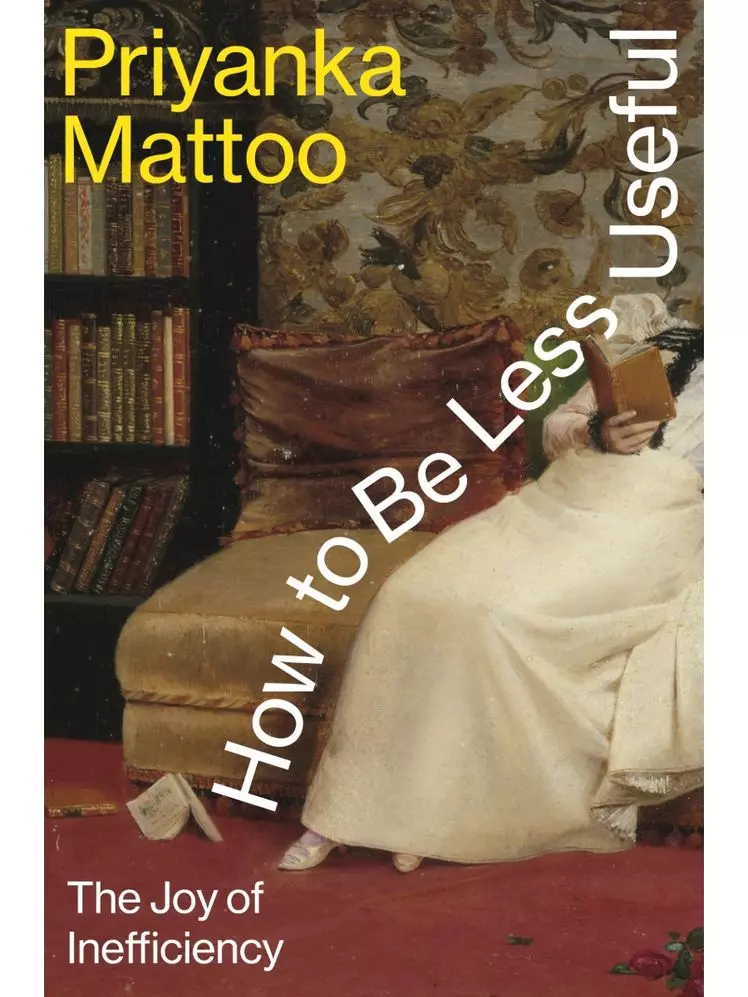
Priyanka Mattoo reflects on the stark contrasts between writing her initial memoir, 'Bird Milk & Mosquito Bones,' and her most recent work, 'How to Be Less Useful: The Joy of Inefficiency.' The former was an arduous, deeply personal excavation of intergenerational trauma spanning decades, demanding significant emotional labor. It served as a cathartic release, akin to lancing a long-festering wound, written with a profound sense of duty to her community and family. This intense process of self-discovery and therapeutic engagement, however, laid the groundwork for a lighter, more self-compassionate approach to her second book. 'How to Be Less Useful' allowed Mattoo to process contemporary experiences in real-time, benefiting from the profound self-awareness cultivated during her previous literary endeavor. This evolution in her writing process mirrors her broader journey towards embracing a less burdened existence.
Overcoming the Initial Hesitation: The Fear of Letting Go
Embarking on the path to 'being less useful' presented Mattoo with a fundamental challenge: confronting the deep-seated anxiety about potential chaos if she ceased her incessant problem-solving and caretaking. The pervasive question, 'What will happen if I stop doing everything?' underscored a brain wired for worst-case scenarios. However, through intentional experimentation, she discovered that the feared collapse was largely a figment of her anxious imagination. The void she created by stepping back was often competently filled by those around her, illustrating a surprising capacity for self-sufficiency in others. This realization brought immense relief and validated her decision to relinquish some control, demonstrating that her constant intervention was often more a product of her own over-functioning than a genuine necessity.
Addressing Societal Hurdles: Systemic Barriers to Women's Self-Care
Mattoo critically examines the profound systemic obstacles that prevent women, particularly mothers, from allocating time for personal restoration. She posits that her very exploration of inefficiency is a direct response to patriarchal structures and deeply ingrained traditional gender roles, inherited through generations. While acknowledging her husband's good intentions, she notes his differing conditioning regarding domestic responsibilities, highlighting the pervasive societal 'soup' in which individuals are raised. Mattoo openly discusses her significant financial and educational privileges, which afford her the latitude to even contemplate these issues. She underscores that while her experience as a working mother has its difficulties, countless women face far graver circumstances. Her ability to outsource certain responsibilities, such as childcare and education, reinforces her belief that such support should be universally accessible, forming the bedrock of a healthy society.
Redirecting the instinct to constantly intervene in her children's and other family members' lives has been a continuous exercise in self-awareness for Mattoo. The process begins with recognizing the impulse to preemptively solve problems that others are capable of handling, and understanding that this 'over-functioning' can inadvertently stunt the skill development of those around her. Having historically over-functioned across all aspects of her life, Mattoo consciously learned to quiet the incessant urge to jump in and 'help.' This withdrawal, initially uncomfortable, revealed a surprising outcome: those around her demonstrated greater capability and initiative. This newfound balance transformed her relationships, replacing a sense of being constantly needed with a more pleasant, interdependent dynamic.
Drawing Inspiration: Icons of Purposeful Living
In her quest to embrace a more intentional, less frantic existence, Mattoo identifies figures who embody a balanced approach to life. She notes the pervasive over-achieving culture common in her milieu, making true 'doing-less' icons rare. Yet, she finds inspiration in diverse personalities. Nigella Lawson, despite her considerable achievements, represents an aspirational lifestyle where work seems integrated with enjoyment and appreciation. Conversely, Jenny Odell, author of 'How to Do Nothing,' profoundly influenced Mattoo's reconsideration of her relationship with time, planting the initial seed for her own book. Both Lawson and Odell, in their distinct ways, exemplify individuals who engage deeply with their pursuits, not out of compulsive obligation, but with a sense of enjoyment and mindfulness, making them beacons for Mattoo's journey towards joyful inefficiency.
About the author
Ruth E. Carter
Oscar-winning costume designer for films like "Black Panther," authoring works on the intersection of fashion, culture, and history.