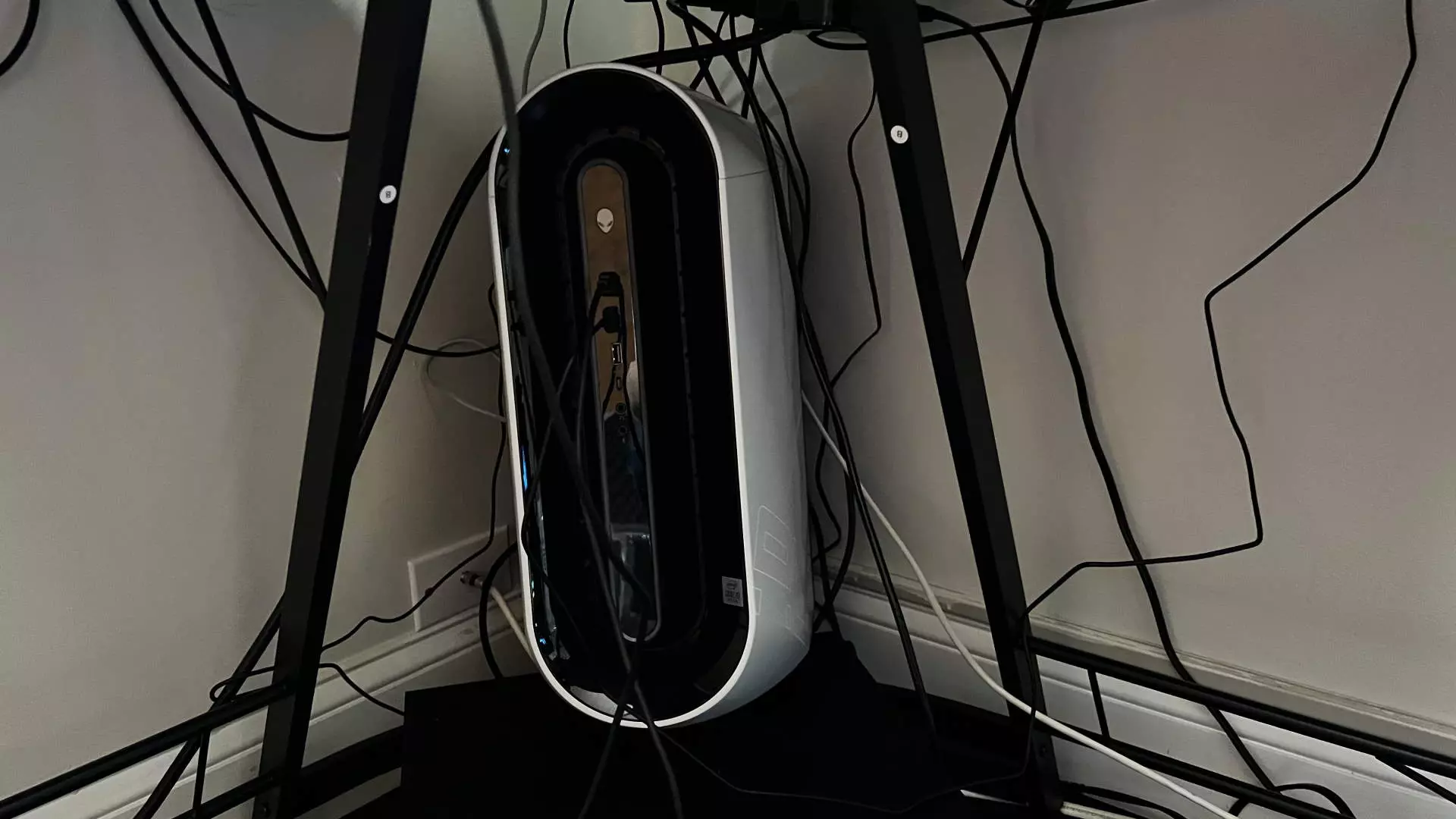
Embracing the Authentic Chaos of PC Gaming Desktops
ByMark Rosewater
In the vibrant world of online PC gaming communities, a curious phenomenon has emerged: the 'battlestation' showcase. These curated displays often feature impeccably tidy desks, flawless cable management, and glowing RGB aesthetics, projecting an image of digital perfection. Yet, a growing sentiment suggests this polished facade misses the mark, failing to capture the true essence of a lived-in, actively used computing space. The pursuit of an idealized, pristine setup, while visually appealing, frequently sacrifices the authentic character that develops when a workstation is genuinely integrated into daily life, reflecting the habits and preferences of its user.
This perspective champions the beauty found in imperfection—the slightly askew monitor propped up by an unconventional object, the comforting presence of a few well-loved items, or the artful disarray that signifies a space of creativity and engagement. Such environments, far from being disorganized, possess a unique charm and tell a story of countless hours spent gaming, working, and exploring digital realms. They stand in stark contrast to the sterile, almost theatrical, setups popularized by influencers, inviting a deeper appreciation for the personal touch that transforms a mere collection of hardware into a cherished digital sanctuary.
The Illusion of the Perfect Battlestation
The digital landscape is awash with images of 'battlestations' that epitomize a sleek, minimalist aesthetic. These often-photographed setups, characterized by immaculate cable management, synchronized RGB lighting, and an absence of clutter, dominate online gaming and tech communities. While undeniably impressive, this widespread trend cultivates an unrealistic ideal, portraying a version of PC gaming life that is divorced from the everyday realities of most enthusiasts. Such showcases, frequently designed for visual impact rather than practical utility, inadvertently suggest that a 'true' gaming setup must conform to these stringent standards of neatness and elaborate design, overlooking the functional and personal aspects that define a genuine workspace.
This obsession with an unblemished appearance can lead to a disconnect, where the joy of gaming or working is overshadowed by the pressure to maintain an aesthetically flawless environment. The meticulous arranging of peripherals and the hidden routing of cables, while a feat of organization, often comes at the expense of spontaneity and personalization. It implies that any deviation from this polished norm is somehow inferior, thereby stifling the organic evolution of a setup that naturally occurs through regular use. Consequently, many feel compelled to emulate these hyper-stylized spaces, potentially sacrificing comfort and personal expression for the sake of conforming to an artificial ideal.
Celebrating Authentic and Lived-In PC Setups
In contrast to the highly curated "battlestation" trend, there's a profound beauty and authenticity in PC setups that bear the marks of genuine use and personal expression. These are the desks that showcase a little clutter, perhaps a monitor playfully elevated by an unconventional item, or a general sense of comfortable disarray. Such environments resonate deeply because they feel real—they are spaces where someone actively engages with their computer, whether for gaming, work, or creative pursuits, without the pressure of maintaining a pristine, influencer-chic facade. This appreciation for the unvarnished truth of a personal computing space harkens back to the legendary, no-frills setup of Satoru Iwata, whose functional yet unconventional workstation became iconic for its practicality over polished aesthetics.
This perspective values the narrative embedded within a personalized desktop setup. Each wire, each well-placed trinket, and every item of practical necessity contributes to a unique story, reflecting the owner's habits, passions, and priorities. Unlike the often sterile and interchangeable high-end gaming rigs, these authentic setups exude character and warmth, inviting a sense of connection and relatability. They serve as a refreshing reminder that the true spirit of PC usage lies not in rigid adherence to aesthetic trends, but in the creation of a comfortable, functional, and deeply personal environment that genuinely supports and enhances the user's digital life, free from the constraints of perceived perfection.
About the author
Mark Rosewater
Head designer for "Magic: The Gathering" and author of long-running insights on game design.