Doraemon's Enduring Legacy: From Japanese Animation to Indian Cinemas
ByRicky Gervais
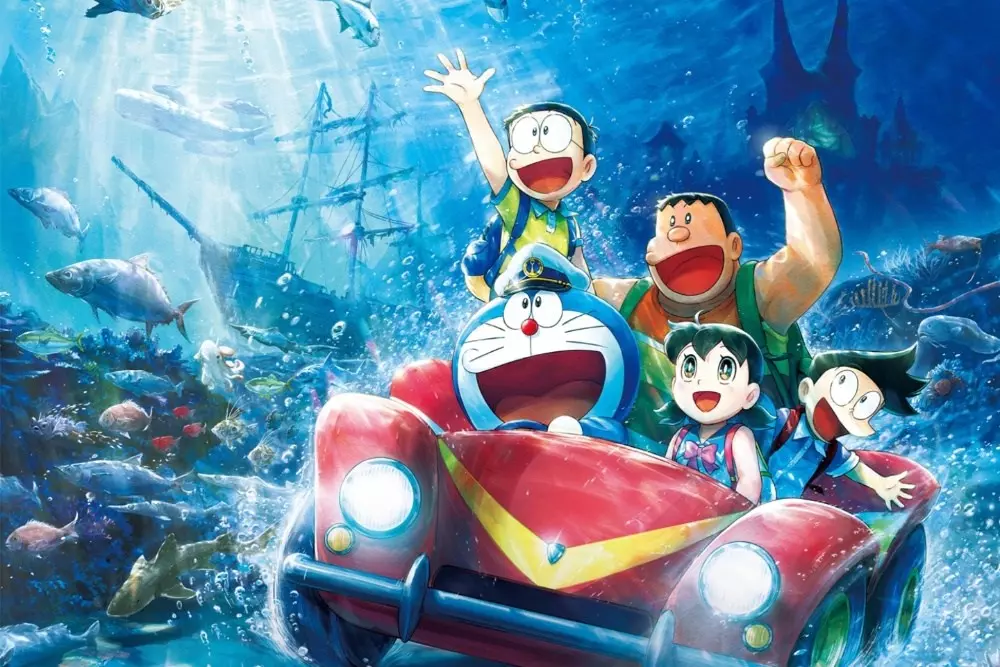
The "Doraemon" franchise is making a significant leap from Japanese television to Indian cinema screens with the release of "Doraemon the Movie: New Nobita and the Castle of the Undersea Devil." This cinematic venture builds upon the franchise's two-decade-long popularity in India, where it has fostered a deep connection with multiple generations. The film's launch, set for October 2, will see it released in Hindi, Tamil, and Telugu, reflecting a strategic approach to embrace the diverse linguistic landscape of the Indian subcontinent. This initiative is a collaborative effort between TV Asahi, Shin-Ei Animation, and Fujiko Pro, aiming to solidify "Doraemon's" enduring legacy and expand its global reach.
This strategic expansion into Indian cinemas signifies a deeper commitment to the region, which TV Asahi views as a crucial market for future growth. The decision to introduce a film adaptation in local languages is a natural progression from the success of the television series, which has resonated with millions of children and adults alike. The collaborative efforts of the production and distribution teams highlight a shared vision to celebrate the timeless appeal of "Doraemon" and its message of friendship, adventure, and childlike wonder, ensuring its continued relevance and popularity across cultures and generations.
Expanding Horizons: Doraemon's Indian Cinematic Debut
The highly anticipated release of "Doraemon the Movie: New Nobita and the Castle of the Undersea Devil" on October 2 marks a pivotal moment for the beloved Japanese animation in the Indian market. Following two decades of television success, TV Asahi, in collaboration with PVR Inox Pictures and other key partners, is bringing Nobita's undersea adventure to the big screen, translated into Hindi, Tamil, and Telugu. This multilingual release strategy is a direct extension of the television show's widespread appeal, aiming to cater to its established fan base while attracting new viewers. The move underscores a concerted effort to deepen the franchise's roots in India, recognizing the country as a vital component of its long-term global strategy and brand expansion.
This cinematic debut represents more than just a film release; it's a carefully orchestrated cultural outreach. By offering the film in multiple regional languages, the creators ensure that the narrative resonates intimately with diverse Indian audiences, mirroring the localized content strategy that has been so successful on television. The involvement of Black White Orange for fan engagement and promotional activities, alongside Happening 365 Synergies for market strategy, demonstrates a comprehensive approach to maximizing the film's impact. This strategic effort is designed to reinforce "Doraemon's" status as a cross-generational phenomenon, fostering a sense of familiarity and continued excitement among viewers who have cherished the characters throughout their lives.
Preserving the Essence: Doraemon's Timeless Appeal and Modern Reimagination
"Doraemon the Movie: New Nobita and the Castle of the Undersea Devil" is a remake of a classic 1983 story, meticulously updated by Shin-Ei Animation to meet contemporary visual standards without compromising the original's narrative core. Chief producer Nakajima Susumu emphasizes that the enduring charm of Fujiko F. Fujio's creations lies in their universal themes, which remain captivating regardless of the passage of time. The production team focuses on translating the "post-reading feeling" of the manga into a powerful "post-viewing feeling" for the film, ensuring that the inherent fun and emotional resonance are preserved. This dedication to the source material ensures that both new and long-time fans can connect with the adventures of Doraemon and Nobita.
While the story and characters retain their authenticity, the visual presentation has been significantly enhanced to appeal to today's discerning audiences. Leveraging advanced CG and compositing techniques, Shin-Ei Animation has created a vibrant and immersive underwater world, distinguishing it from earlier iterations. However, Nakajima also highlights the deliberate integration of hand-drawn animation's "analog warmth" to maintain a nostalgic connection to the franchise's roots. Fujiko Pro's corporate officer, Yoshida Kenji, reiterates the fundamental principle that "Doraemon" is created for children, aiming to foster a childlike curiosity in adults as well. This philosophy guides the team in crafting stories that are both grand in scale and deeply personal, ensuring that the characters' relatable actions and emotions continue to transcend generations and cultural barriers.
About the author
Ricky Gervais
Comedian, writer, and actor who created "The Office" and writes provocatively on comedy and society.