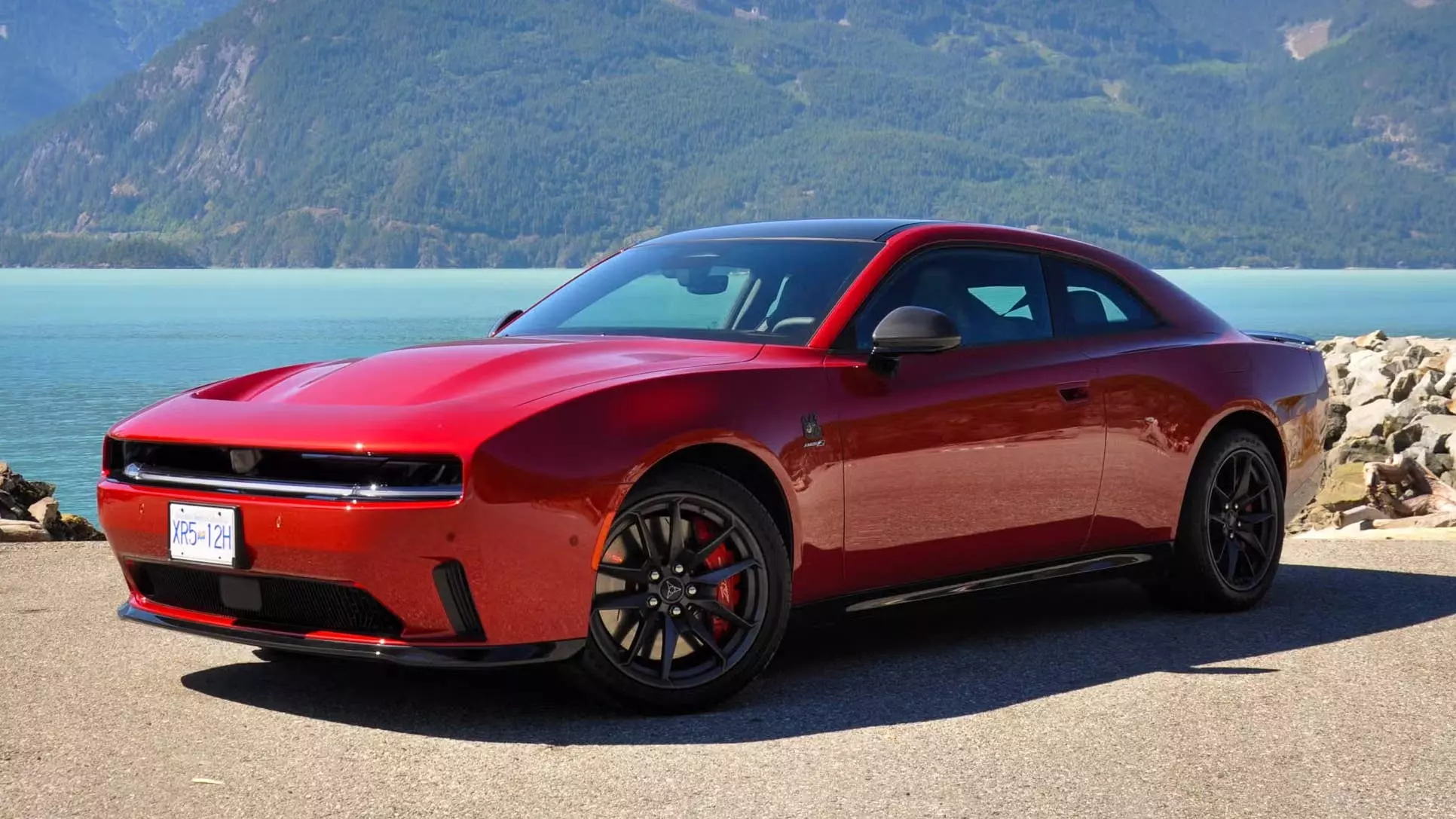
Dodge Charger Daytona EV Lease Cost Soars Past Gas Model by 103%
ByMichele Acquaragia
The electric version of the Dodge Charger, the Daytona EV, is facing a significant challenge in the market, particularly when it comes to leasing options. Despite its contemporary design and electric powertrain, its lease costs are dramatically higher than those of its gasoline-powered sibling, the Hurricane-engined Scat Pack. This financial discrepancy is a major factor contributing to the gas Charger's overwhelming sales lead, with traditional muscle car enthusiasts opting for the more affordable and familiar internal combustion engine model. The core of the problem lies in the Daytona EV's low projected residual value and high interest rates, making it an economically unappealing choice for leaseholders. This situation reflects a broader market sentiment where consumers are hesitant to embrace new electric muscle cars, especially when the financial implications are so stark.
Electric vs. Gas: A Leasing Price Showdown
On October 30, 2026, financial insights from automotive experts revealed a striking disparity in leasing costs between the Dodge Charger Daytona EV and its gasoline counterpart. The 2026 Dodge Charger Daytona Scat Pack, with a starting price of $60,690, demands a lease payment of approximately $1,486 per month over a 36-month term, factoring in an initial payment of $6,269. In stark contrast, the two-door 2026 Charger Scat Pack, powered by the Hurricane engine and priced at $55,690, can be leased for around $733 per month over the same period, with an upfront payment of $5,769. This means that a mere 9% difference in the manufacturer's suggested retail price (MSRP) translates into a staggering 103% increase in monthly lease payments for the electric model. This significant price gap highlights the considerable financial burden associated with leasing the Daytona EV. Furthermore, while competing electric vehicles often benefit from attractive lease incentives, the Daytona EV currently offers no such advantages, making its proposition even less appealing to potential lessees.
This situation brings to light the critical role of residual value and financing rates in determining lease affordability. The Daytona EV is projected to retain only 40% of its value after three years, coupled with an exorbitant money factor that equates to a 12.5% interest rate. In contrast, the gasoline-powered Charger is expected to hold 67% of its value and boasts a much more favorable lease rate of 5.4%. These figures are not just abstract numbers; they directly impact the monthly payments, with higher depreciation and interest rates leading to significantly inflated costs for the consumer. The discontinuation of the more affordable R/T trim for 2026 and the absence of federal EV tax credits further remove any incentive for Stellantis, Dodge's parent company, to sweeten lease deals for the Daytona EV. This scenario underscores the challenges electric vehicles face in achieving market parity, especially when consumer demand and financial incentives do not align.
About the author
Michele Acquaragia
Fictional representative of the passionate journalists covering high-performance supercars and Italian design.