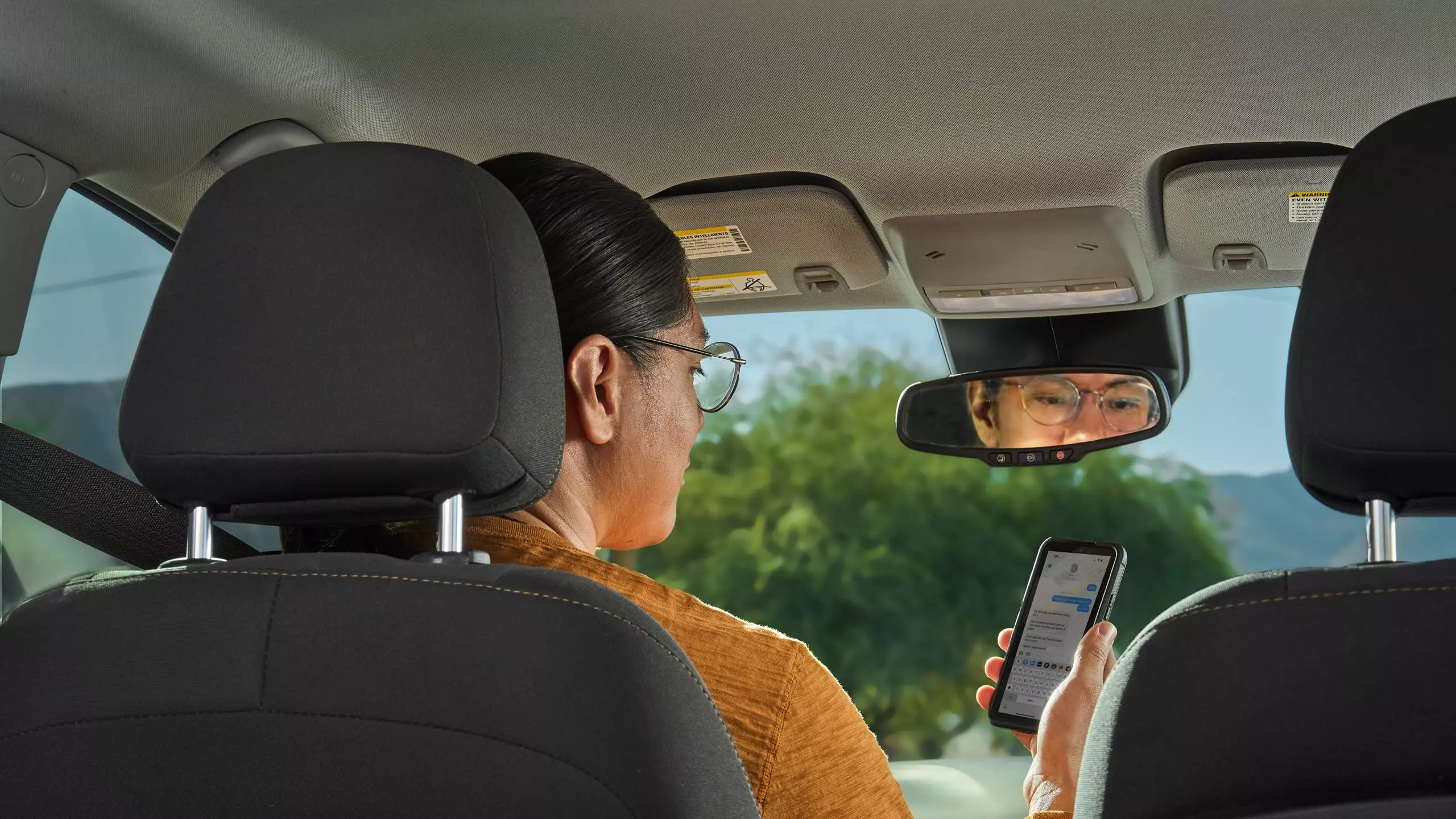
Distracted Driving: New Study Reveals Alarming Underreporting of Phone Use in Crashes
ByHenry Ford
A recent investigation has brought to light a severe underestimation of phone-related incidents in road accidents. Data from vehicle telematics systems indicates that the actual number of crashes involving mobile device usage is at least seven times higher than what is documented in official police records. This significant discrepancy not only obscures the true scale of distracted driving but also creates a misleading sense of security for motorists.
Alarming Insights into Distracted Driving Incidents
The Insurance Institute for Highway Safety (IIHS) conducted a comprehensive study that cross-referenced nearly 17,000 accident reports with highly precise location data obtained from Cambridge Mobile Telematics. The findings paint a sobering picture: a substantial percentage of both single-vehicle (7%) and two-vehicle (8%) collisions involved phone use within thirty seconds of impact. In stark contrast, police reports attributed less than one percent of these same incidents to mobile device distraction. This considerable gap arises because law enforcement officers often lack the immediate evidence to definitively link phone usage to a crash once the scene is cleared.
Furthermore, the nature of driver distraction has evolved. While texting was once the primary concern, researchers now observe that passive phone use, such as having an unlocked screen displaying navigation in a cup holder, is equally prevalent. More concerningly, drivers are increasingly interacting with their connected devices as vehicle speeds escalate, dramatically amplifying the risks associated with even momentary glances away from the road. The rise of screen-based entertainment, particularly social media and video platforms, introduces a new layer of hazard, with drivers willingly diverting their attention until a collision occurs.
The Imperative for Modernized Legislation
The rapid advancement of vehicle safety technology stands in stark contrast to the stagnant nature of traffic enforcement laws, which often lag behind contemporary challenges. To address this, 31 states have implemented comprehensive hands-free driving laws, proving more effective for law enforcement as they allow officers to act upon visual confirmation of a device in a driver's hand. This eliminates the ambiguity of needing to prove specific actions like typing an email after an accident.
The profound statistical disparity between detailed telematics data and conventional police reporting should serve as an urgent call to action for both the automotive industry and governmental bodies. Effective policy-making to mitigate roadway hazards hinges on accurate data. Until lawmakers acknowledge that seemingly innocuous behaviors can lead to tragic outcomes, our roads will remain fraught with digital dangers, jeopardizing the safety of every commuter.
As a concerned observer, these findings underscore the urgent need for a societal shift in how we perceive and address distracted driving. The chasm between reported incidents and reality is not just a statistical anomaly; it represents countless preventable accidents and, tragically, lives lost. This study highlights that current enforcement methods are insufficient against the backdrop of rapidly evolving mobile technology and user behavior. It's time for a more proactive approach that combines advanced technological solutions, more stringent legislative frameworks that are easier to enforce, and comprehensive public education campaigns. Drivers must internalize the profound responsibility that comes with operating a vehicle, and understand that even a fleeting glance at a screen can have devastating, irreversible consequences. The convenience of modern technology should never compromise the sanctity of human life on our roadways.
About the author
Henry Ford
Industrialist and founder of Ford Motor Company, whose autobiography outlines the creation of the automotive era.