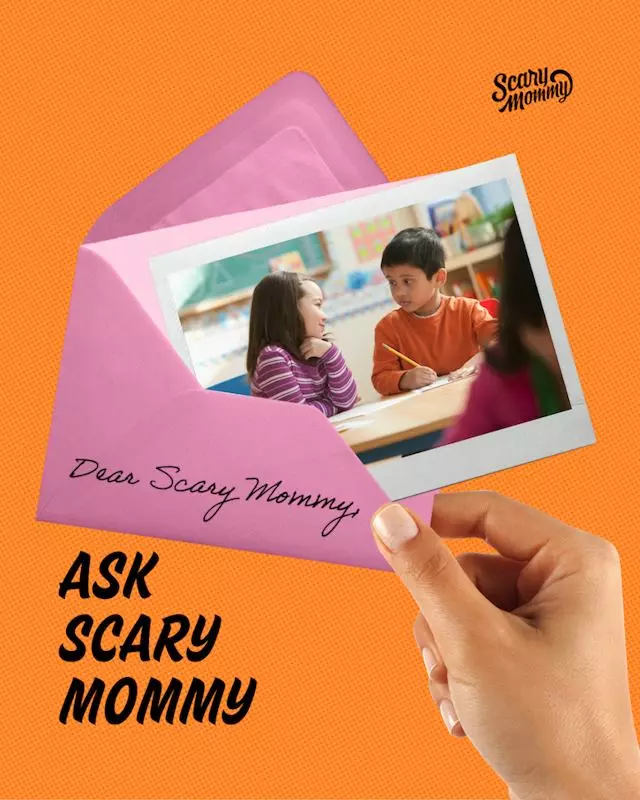
Distinguishing Between Bullying and Disinterest: A Parent's Guide
ByDr. Carlos González
This article explores the crucial distinction between bullying and a child's natural experience of another child not wanting to be their friend. It addresses the challenges parents face in guiding their extroverted children through these nuanced social interactions, providing practical advice and perspectives from experienced educators and parents.
Navigating Childhood Friendships: Understanding Social Boundaries and Disinterest
The Nuance of Social Interactions: When Disengagement Isn't Bullying
Parents often struggle to explain to their children the subtle yet significant difference between intentional bullying and simply encountering someone who doesn't wish to engage. For an outgoing child, perceived rejection can be deeply hurtful, often leading them to label such experiences as bullying. However, it's essential to clarify that true bullying involves persistent, targeted, and harmful behavior, whereas a peer's lack of interest is simply a part of typical social dynamics.
Empathetic Guidance: Helping Children Interpret Social Cues
Guiding children to understand social cues is paramount. Many young ones, especially those who are highly social, may misinterpret a classmate's disinterest as hostility. It's vital to teach them to "read the room" – to observe if another child is occupied, upset, or simply not receptive to conversation at a particular moment. This skill helps children avoid taking such instances personally and fosters empathy for their peers' varied emotional states.
Defining Bullying: Clarity for Healthy Social Development
Establishing a clear definition of bullying is fundamental. Parents should emphasize that bullying is characterized by repeated and targeted interactions designed to cause embarrassment, fear, or hurt. This distinction helps children accurately identify when they are truly being bullied and when they are merely experiencing the ebb and flow of social relationships, where not every interaction will result in a deep connection.
Cultivating Resilience: Accepting That Not Everyone Will Be a Friend
A critical lesson for children is the acceptance that not every person they encounter will become a close friend. This "hard pill to swallow" is a vital life skill. Parents can reframe these experiences not as personal failures but as opportunities to learn about compatibility and to seek out those who truly resonate with them. It encourages resilience and self-awareness, preparing them for future social challenges.
Realistic Expectations: Shifting Language Around Peers
Parents can subtly influence their children's social expectations by adjusting their language. Instead of labeling every child as a "friend," using more general terms like "classmates" or "peers" can help set more realistic expectations. This approach prevents children from automatically assuming universal friendliness and better prepares them for the reality of diverse social interactions, where some connections will naturally be stronger than others.
About the author
Dr. Carlos González
Pediatrician and author promoting attachment parenting and breastfeeding in the Spanish-speaking world.