Digital Consciousness: Unpacking the Fruit Fly Brain in Minecraft
ByKim Swift
Recent viral discussions have focused on the remarkable achievement of scientists successfully mapping the entire brain of a fruit fly after a decade of dedicated research. This scientific breakthrough subsequently sparked headlines claiming the digitized fruit fly brain was made to engage in video games such as Doom and even Minecraft. Notably, one particular claim suggested a fruit fly, shortly after its consciousness was transferred into Minecraft, tragically ended its own existence. While these accounts contain kernels of truth, many are accompanied by significant qualifications, primarily stemming from a misinterpretation of the scientists' original accomplishment in mapping the fruit fly's brain.
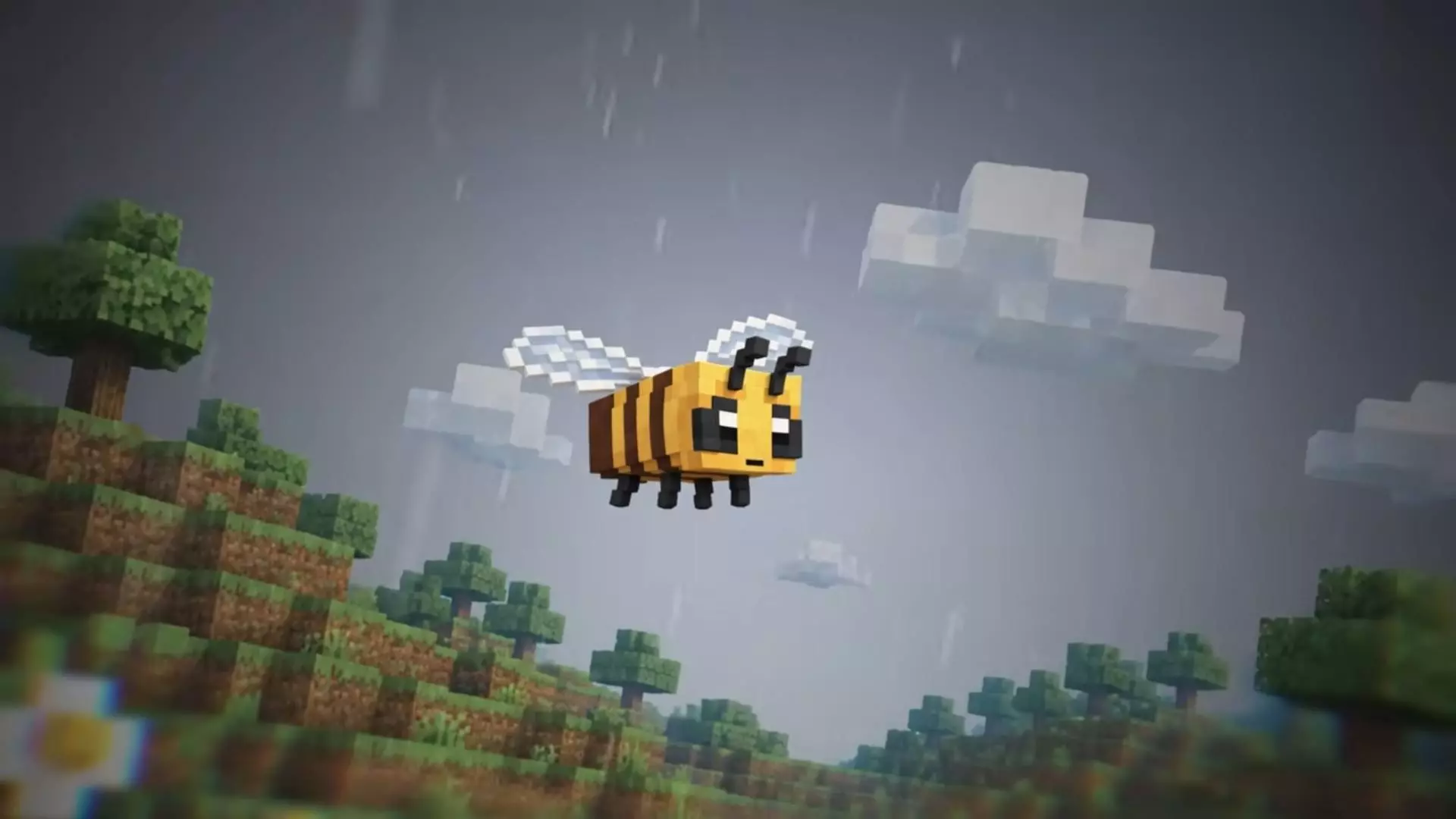
YouTuber Ro0oney garnered significant public attention with his viral short video, 'I uploaded a consciousness into Minecraft.' In this video, he purports to have digitally created an arachnid endowed with free will, which then immediately proceeded to suffocate itself. A subsequent video released in early September provided a more detailed explanation of Ro0oney's methodology and the process behind his experiment.
The Digital Fruit Fly Brain: From Scientific Mapping to Minecraft Simulation
The journey from mapping a fruit fly's brain to simulating its consciousness in Minecraft is a fascinating one, merging advanced neuroscientific understanding with creative digital experimentation. While scientists achieved a high-fidelity representation of the fruit fly's neural network, the subsequent digital 'consciousness' in the game is a nuanced concept. Ro0oney's primary goal was entertainment, yet his approach incorporated elements of scientific rigor, including consultation with Dr. Arie Matslian, a Princeton research scientist pivotal in developing the digital fruit fly brain tool. Matslian acknowledged the tool's inherent simplifications of biophysics, underscoring that while it is a powerful representation, it does not fully replicate biological complexity. This digital rendition serves as a sandbox for exploring hypothetical scenarios rather than a perfect mirror of living consciousness.
Ro0oney's project highlights the intricate interplay between biological data and computational simulation. The fruit fly's brain, when digitized, provided a structural framework, but its functional manifestation within Minecraft required extensive programming. Early iterations faced challenges, such as the absence of active steering neurons for the fruit fly, or the inability for the spider-like entity to fly. This human intervention in programming dictates the range of possible reactions the digital fly can exhibit within its environment. Consequently, the 'consciousness' displayed is constrained by Ro0oney's parameters, rather than an unbridled expression of free will. The addition of fear, described by Ro0oney as fundamental to consciousness, further illustrates how abstract biological concepts are translated into digital mechanics, raising philosophical questions about the nature of fear and consciousness itself.
Simulated Sensations: Exploring Fear and Hunger in a Digital Entity
The simulation of sensations like fear and hunger within the digital fruit fly brain in Minecraft offers a compelling, albeit simplified, glimpse into the complexities of biological processes. Ro0oney's decision to imbue the digital fruit fly with a sense of fear, which he termed essential for sustaining consciousness, sparked considerable debate. This point highlights the significant divergence between the scientific understanding of fear in evolutionary biology, psychology, and neuroscience, and its conceptualization within a digital experiment. The way these intricate biological functions are translated into code can often lead to oversimplified interpretations, where a programmed response might be mistaken for genuine biological feeling, blurring the lines between simulation and reality. This aspect of the experiment underscores the challenges in fully replicating the nuanced experiences of living organisms.
Further examining the simulated experience, the digital fruit fly's 'hunger' mechanism in Minecraft serves as another prime example of functional mimicry rather than true biological sensation. Although the digital fly tracks its energy levels and activates hunger neurons to prompt replenishment, this process is fundamentally different from a living creature's experience of hunger. While our own neurons constantly signal our bodies regarding various needs, the digital counterpart lacks the true memory or adaptive rewiring capabilities of an actual fruit fly's brain. It operates as a static representation, a snapshot of a single brain's structure, rather than a dynamic, evolving entity capable of genuine perception or learning. Despite these significant limitations, Ro0oney's exploration, characterized by trial and error, remains an engaging and thought-provoking endeavor into the realm of digital consciousness.
About the author
Kim Swift
Video game designer known for pioneering work on "Portal," focusing on innovative puzzle mechanics.