The Cultural Renaissance of Opera Coats: Honoring Chinese Artistic Heritage in Contemporary Fashion
ByTim Gunn
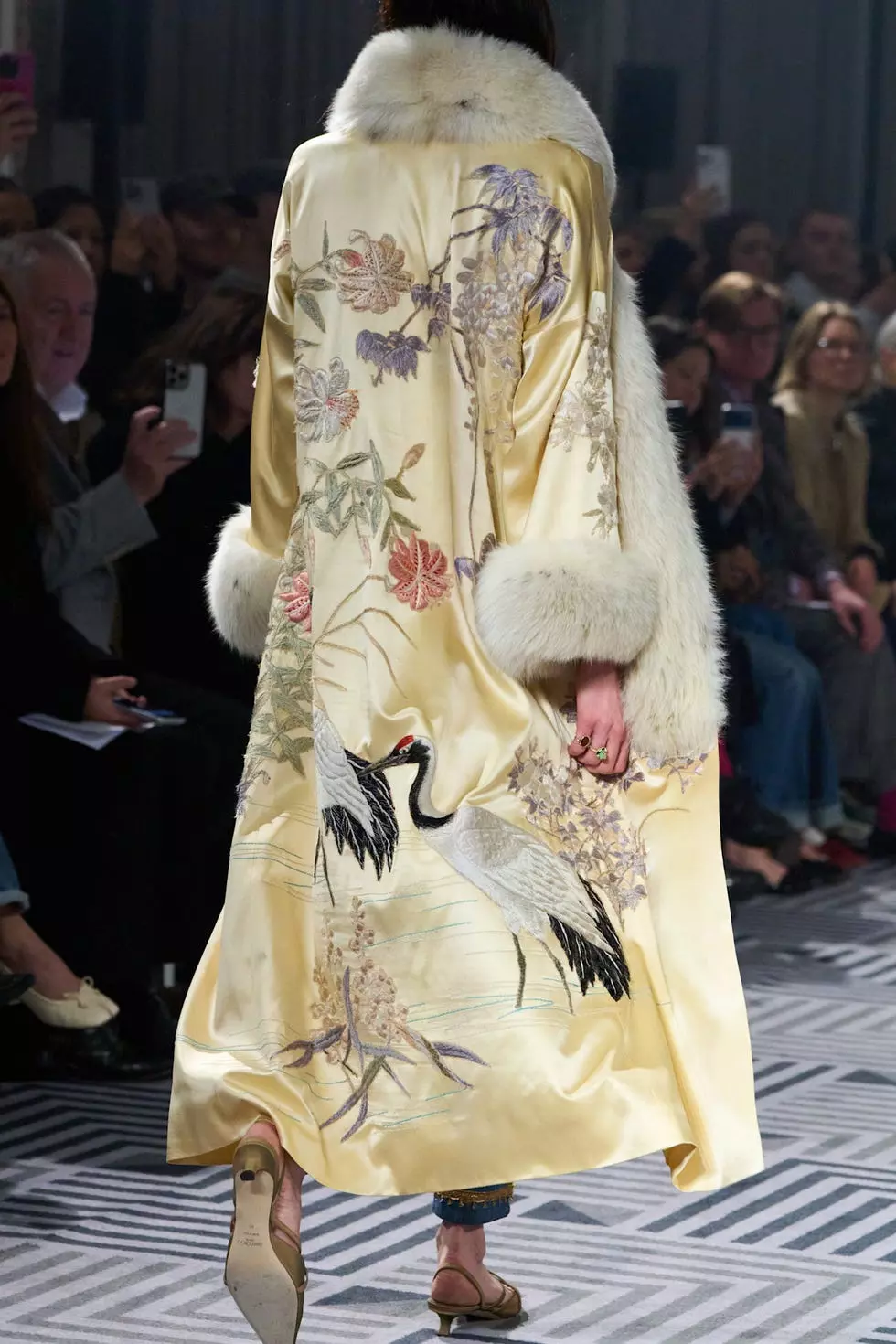
The fashion world is currently captivated by the resurgent elegance of opera coats, a trend significantly amplified by Conner Ives's notable silk brocade creation showcased at London Fashion Week. These exquisite garments, reminiscent of iconic styles, are quickly becoming a staple for fashion-forward individuals. What truly distinguishes many of these sought-after coats is their profound connection to Chinese artistic traditions. Crafted from luxurious silk tapestries, often featuring intricate hand-embroidered motifs like red-crowned cranes and bamboo, these designs evoke the rich heritage of the Qing dynasty. This sartorial shift indicates a broader movement in fashion away from understated aesthetics towards more elaborate textiles and highly expressive silhouettes. While the visual appeal of these coats is undeniable, their widespread embrace has brought to light an important discussion about cultural attribution within the fashion industry. Leading designers like Cheryl Leung of Sau Lee and Kim Shui are actively advocating for greater recognition of the specific Chinese design elements that inspire these popular trends, striving to ensure that the historical and cultural significance of these artistic forms is not lost amidst their contemporary reimagining. Their efforts highlight a crucial conversation about how global fashion can respectfully integrate and celebrate diverse cultural legacies.
The resurgence of opera coats into high fashion consciousness marks a significant aesthetic evolution, moving away from severe minimalism towards a lavish appreciation for intricate textiles. Cheryl Leung, a visionary behind the Sau Lee brand, notes this transition, explaining that modern consumers are increasingly drawn to garments that tell a story through their texture and fabric. Brocade, with its inherent opulence and historical depth, serves as a prime example. When integrated into contemporary designs or paired with simpler attire, these ornate materials achieve an entirely new and striking presence, proving that traditional richness can beautifully complement modern simplicity.
Historically, perceptions of Chinese design in the Western fashion sphere have often been mediated through an external lens. However, a new generation of creative directors, including the aforementioned Cheryl Leung and the dynamic Kim Shui, are redefining this narrative by presenting collections deeply rooted in their personal cultural backgrounds. Kim Shui, a Chinese-American designer based in New York, consistently draws inspiration from the nuanced language and meticulous craftsmanship embedded within classic Chinese garments. Her fascination extends to the elegant form of the qipao, the luxurious tactile quality of brocade, and the sophisticated artistry of traditional techniques such as embroidery and intricate knot closures. Shui views these elements not as templates for exact duplication but as a foundational lexicon from which she can innovate and develop new interpretations.
Despite the widespread adoration for these culturally inspired fashion pieces, there is a recurring concern that their Chinese origins are frequently overlooked or understated. Kim Shui observes a common trend in fashion commentary where popular "winter coat" videos showcase items rich with Chinese brocade and silk embroidery but conspicuously omit any mention of their heritage. Instead of using precise terminology like 'qipao' or 'mandarin collar,' descriptions often default to generic phrases such as 'stand collar' or 'high neckline.' This erasure of cultural context diminishes the historical narrative behind these elements, prompting a call for creators and consumers alike to acknowledge and respect the provenance of such designs.
Both Leung and Shui perceive the rising popularity of these coats as a vital chance to shine a spotlight on their historical roots and the pioneering designers who are reinterpreting them. To this end, Shui's brand actively produces educational content exploring the legacies of brocade, embroidery, and the qipao, along with the cultural narratives woven into her collections. This initiative aims to foster a greater understanding and appreciation for these art forms among her audience. The designers assert that recognizing the cultural inspiration behind a garment does not detract from a creator's ingenuity; rather, it imbues the work with deeper meaning and cultivates a richer appreciation for its foundational references. They emphasize the ethical responsibility of brands to acknowledge these origins, rather than presenting them as novel, culturally unmoored aesthetics.
Ultimately, the fashion industry serves as a vibrant arena for both the exchange and evolution of cultures, with trends continually emerging and receding. While not every individual consumer may delve deeply into the historical background of every piece they acquire, and indeed, some designers like Leung suggest it's not always a prerequisite, there remains a significant opportunity for greater engagement. Kim Shui expresses enthusiasm for the growing embrace of cross-cultural garments, hoping that this renewed interest will encourage enthusiasts to look beyond mere aesthetics. Her vision is that this trend might inspire a broader exploration into the profound traditions and artisanal skills that form the bedrock of these beautiful designs, fostering a more informed and respectful global fashion dialogue.
About the author
Tim Gunn
Fashion consultant and TV personality known for "Project Runway" and his ethos of "make it work."