Crafting Your Perfect Knife Collection: A Comprehensive Guide
ByYotam Ottolenghi
Embarking on the journey of curating a knife collection is a deeply personal endeavor, shaped by individual cooking styles, culinary preferences, and available kitchen space. While pre-packaged knife sets might offer an initial solution, the true essence of an efficient kitchen lies in a thoughtfully assembled assortment of blades. This comprehensive exploration delves into the diverse world of kitchen knives, moving beyond the basics to uncover specialized tools that can elevate your culinary experience and streamline your food preparation.
Understanding the distinct roles of various knives is crucial for any aspiring home chef. From the indispensable chef's knife, a workhorse for myriad tasks, to more niche implements like the agile nakiri or the precise petty knife, each blade offers unique advantages. This guide provides insights into selecting knives that not only meet your immediate needs but also inspire you to explore new techniques and ingredients, ultimately fostering a more intuitive and enjoyable cooking process.
The Foundational Blade: The Chef's Knife
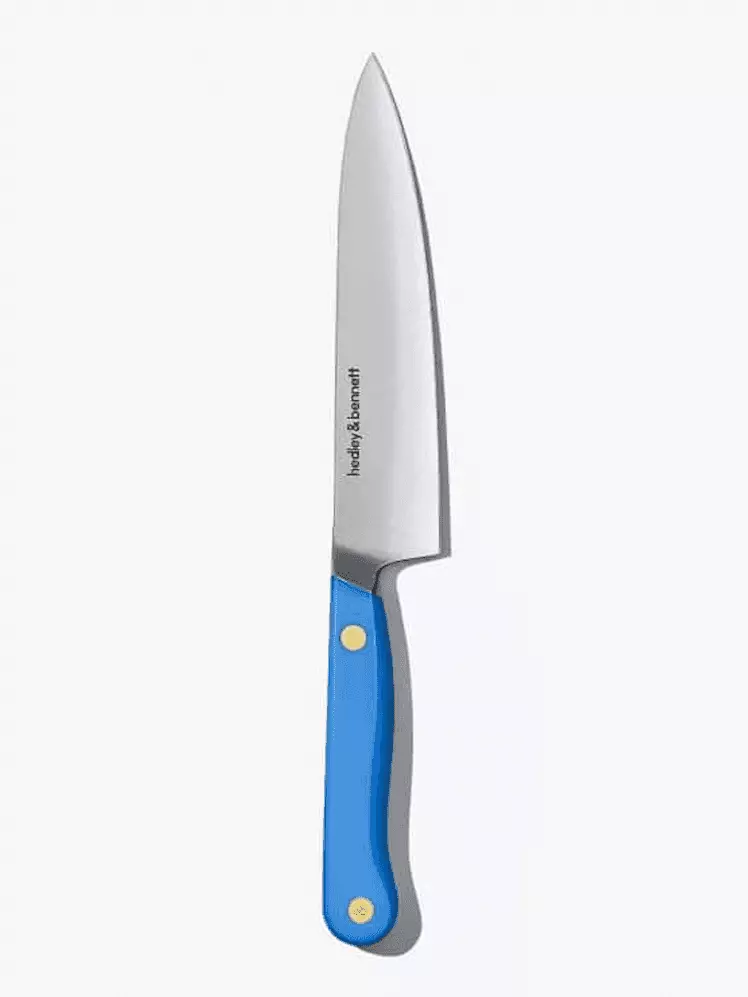
At the heart of any kitchen, professional or domestic, resides the chef's knife. This versatile tool is an absolute necessity, capable of performing a wide array of culinary tasks, from chopping and slicing to dicing and even peeling. Its characteristic design, featuring a tall heel, a gently curved belly, and a sharp point, makes it adaptable to various cutting techniques. When starting a knife collection, prioritizing a high-quality chef's knife is paramount. However, with a multitude of designs available, choosing the right one requires careful consideration of individual preferences and cooking habits.
The world of chef's knives broadly divides into Western and Japanese styles, each possessing distinct characteristics. Western chef's knives are often lauded for their robustness and weight, crafted from slightly softer, more forgiving steel, which contributes to their durability. In contrast, Japanese chef's knives, known as gyutos, are celebrated for their exceptional sharpness, agility, and precision. Their finer edges, made from harder steel, maintain sharpness longer but are also more susceptible to chipping. For those who prioritize intricate cutting and are prepared for a bit more maintenance, a Japanese gyuto can be an excellent choice for daily culinary endeavors, offering unparalleled control and accuracy.
Expanding Your Arsenal: Specialized Knives for Enhanced Efficiency
While a chef's knife is undeniably versatile, certain tasks necessitate specialized blades to achieve optimal results. For instance, slicing bread without compression is best accomplished with a serrated knife, a feat a standard chef's knife cannot replicate. Similarly, delicate tasks like peeling or coring fruits and vegetables are far more manageable with a paring knife, whose smaller size allows for superior control and precision. These specialized knives, though not used as frequently as the chef's knife, significantly enhance efficiency and elevate the overall cooking experience.
The bread knife, with its serrated edge, is expertly designed to glide through crusty loaves without tearing or flattening the interior. Beyond bread, its utility extends to delicate items like tomatoes or even larger produce such as watermelons, where its length and sharpness prove advantageous. The paring knife, with its compact blade, is ideal for intricate work such as coring, peeling, and hulling small fruits and vegetables. Its diminutive size offers enhanced maneuverability, making it indispensable for precise cuts that larger knives cannot execute with the same finesse. Investing in these essential specialized knives ensures that you are equipped for a broader range of culinary challenges, leading to more refined and satisfying results.
About the author
Yotam Ottolenghi
Chef and food writer famous for his vibrant, vegetable-forward Middle Eastern and Mediterranean recipes.