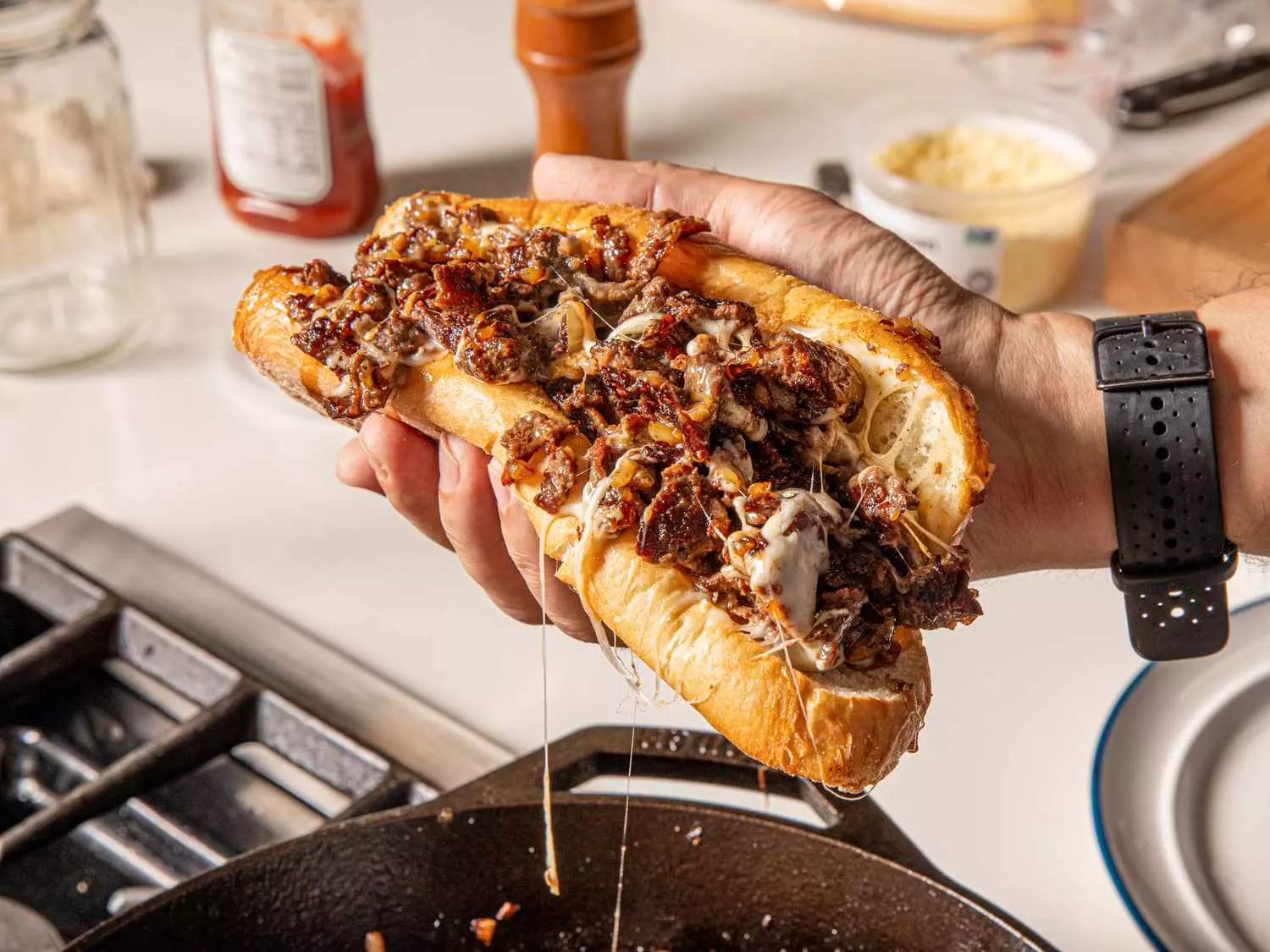
Crafting the Perfect Philly Cheesesteak at Home: A Comprehensive Guide
ByJamie Oliver
Originating from a lineage deeply rooted in Philadelphia's culinary traditions, this guide embarks on an exploration of crafting the quintessential Philly cheesesteak within the confines of a home kitchen. Drawing upon generational expertise and personal insights, the discourse meticulously dissects the core triumvirate of this iconic sandwich: the beef, the cheese, and the bread. The journey of creating an authentic cheesesteak begins with a profound respect for its simplicity, as each component, though seemingly basic, plays a pivotal role in achieving the harmonious symphony of flavors and textures that define this regional delicacy. This comprehensive article aims to equip aspiring home chefs with the knowledge and techniques necessary to replicate the magic of a genuine Philly cheesesteak, transforming a simple meal into an culinary experience.
Mastering the Beef and the Great Cheese Conundrum
The quest for the perfect Philly cheesesteak hinges significantly on the precise selection and preparation of its primary ingredient: beef. The optimal choice, rib eye steak, renowned for its rich flavor and intricate marbling, is ideally sliced with extreme thinness, a task typically performed by commercial deli slicers. To circumvent the need for specialized equipment at home, two ingenious methods are proposed: par-freezing the rib eye for easier manual slicing or sourcing pre-sliced, well-marbled beef from specialty markets. Regardless of the slicing technique, the beef demands meticulous chopping and browning in its own rendered fat and juices to achieve the desired tender, flavorful texture that forms the heart of the sandwich. This rigorous attention to detail ensures that the beef, whether meticulously hand-sliced or conveniently pre-prepared, embodies the robust essence required for an authentic cheesesteak. Achieving the signature texture of finely chopped, intensely flavorful rib eye is paramount, setting the stage for the other equally important components.
The discourse then naturally progresses to the spirited debate surrounding the cheese. While the culinary landscape of Philadelphia offers a trifecta of options—provolone, Cheese Whiz, and American cheese—this guide champions the assertive, salty notes of provolone. Half of this cheese is integrated directly into the cooked beef, acting as a delicious binder that melds the thinly chopped meat into a cohesive unit while imparting a subtle sharpness. An optional hint of grated Parmesan is suggested for an extra layer of complexity, appealing to those seeking an elevated homemade rendition. The remaining provolone is artfully layered atop the beef, melting into a luscious, gooey embrace that contributes to the sandwich's iconic indulgence. This two-stage cheese application is not merely for flavor; it serves a crucial structural purpose, creating a protective barrier against the bread becoming soggy. This thoughtful assembly, where cheese is both interwoven with the meat and melted over it, ensures every bite delivers the authentic experience of a classic Philly cheesesteak, striking a delicate balance between richness and structural integrity.
The Essential Role of Bread and the Art of Assembly
Beyond the beef and cheese, the foundation of a true Philly cheesesteak rests firmly on its bread. The ideal choice is a fresh hoagie roll, typically a foot-long, characterized by a soft, slightly chewy interior encased in a thin, subtly crispy crust. The bread's structure is critical; it must be robust enough to cradle the generous, fatty filling without succumbing to sogginess, yet pliable enough to bite into with minimal resistance. For those residing outside Philadelphia, where iconic local bakeries like Amoroso's, Liscio's, or Sarcone's are inaccessible, the recommendation is to seek out local bakeries offering rolls that mirror these distinct characteristics. While supermarket sub rolls may serve as a last resort, their inherent softness can compromise the sandwich's integrity. This guide advocates for using a more manageable 7-to-8-inch roll, a size more practical for home preparation in standard skillets. The chosen bread, therefore, is not merely a vessel but an active participant in the overall sensory experience, ensuring that every bite is texturally balanced and authentic.
The meticulous assembly of the cheesesteak, from cooking the onions to marrying the components, is an art form honed in professional kitchens and adapted here for home cooks. Griddled onions, retaining their characteristic texture and piquant notes, are integrated directly with the beef during cooking, a departure from separate preparations that simplifies the process while maintaining flavor. This combined cooking method ensures a harmonious blend of onions, rib eye, and cheese in every mouthful. The technique culminates in a flat-top-inspired assembly: the cheesy meat mixture is perfectly aligned with the hoagie roll, layered with additional cheese, and then skillfully flipped into the bread. This construction method, a hallmark of cheesesteak artistry, serves a practical purpose—the initial layer of melted cheese forms a protective barrier, preventing the bread from becoming saturated by the succulent beef. This thoughtful approach to assembly, mirroring the expertise of seasoned sandwich makers, is designed to deliver an authentic Philadelphia cheesesteak experience, satisfying cravings and evoking a sense of culinary heritage.
About the author
Jamie Oliver
Celebrity chef and campaigner known for simple recipes and advocacy for healthy school meals.