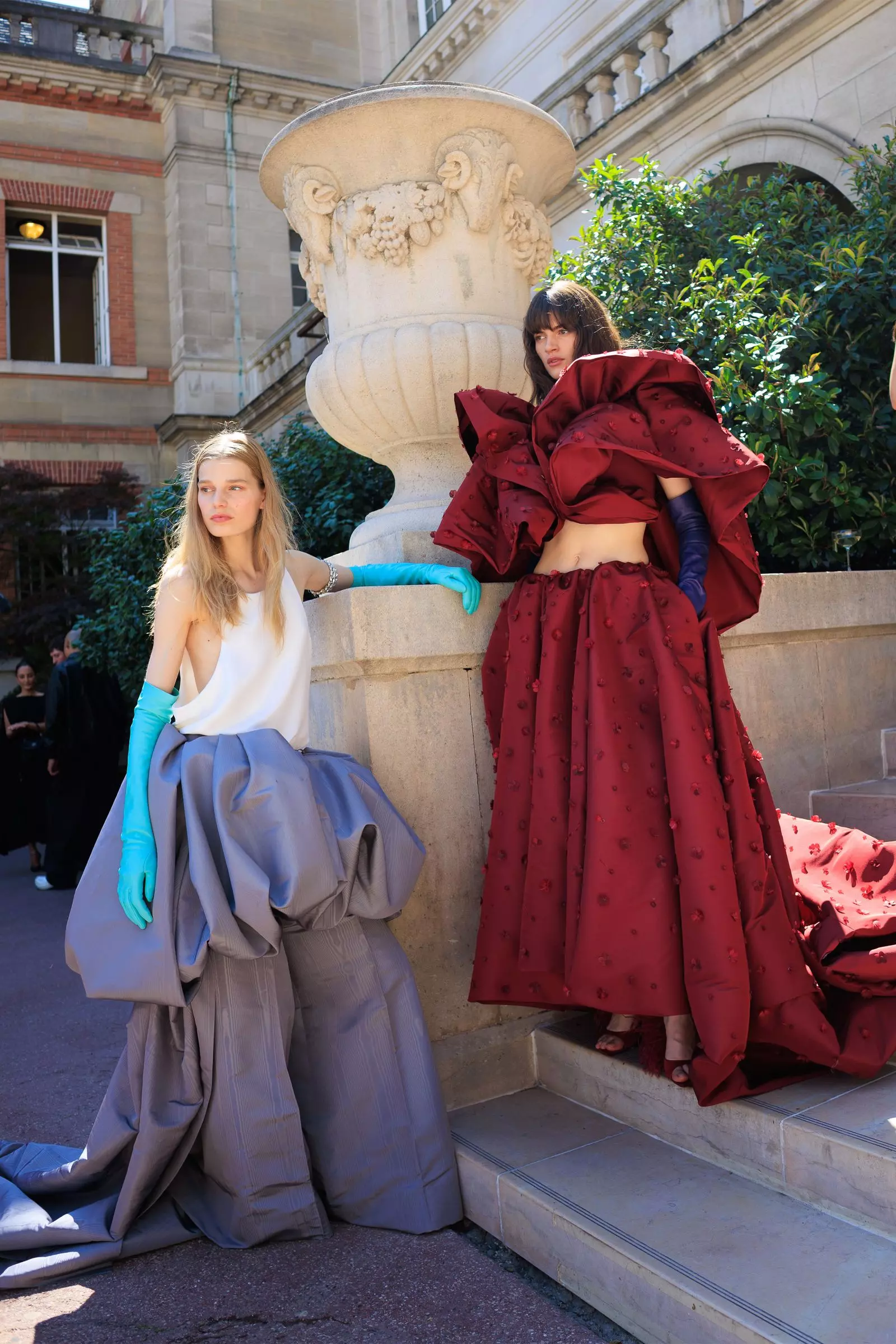
Couture's Comeback: Why Luxury Brands Are Investing in High Fashion
ByAnna Wintour
The landscape of luxury fashion is witnessing a significant shift as haute couture reclaims its prominent position. This comprehensive analysis delves into the motivations behind the resurgence of high fashion, exploring how leading brands are leveraging couture to reinforce their exclusivity, cater to an elite clientele, and amplify their global market presence.
Rediscover Exclusivity: The Art of Haute Couture Returns
The Grand Return of High Fashion: Luxury Houses Re-Embrace Couture
Major luxury brands are making a definitive comeback to the haute couture runway. Versace, for instance, has announced the return of Atelier Versace to the couture schedule in January 2027, marking Pieter Mulier's debut full runway collection as creative director. This move follows Versace's acquisition by Prada Group and its hiatus from couture shows since 2016. Other prominent brands are also joining this trend: Hermès is set to unveil its first couture collection in January 2027, while Balenciaga made a celebrated return in July 2021 after a 53-year absence. Celine's CEO has also indicated plans to develop a couture line, driven by strong demand from American clients, and Indian couturier Gaurav Gupta recently established his permanent atelier in Paris. This widespread renewed interest signals a strategic pivot within the luxury sector.
Reclaiming Prestige: How Couture Elevates Brand Perception
Industry experts suggest that couture shows are a vital tool for luxury houses to re-establish a sense of exclusivity. In an era where social media, collaborations, and accessible entry-level products have made luxury brands more ubiquitous, couture offers a counterbalance. Neil Saunders, managing director at Globaldata, explains that while broader customer reach is commercially beneficial, it can dilute a brand's prestige. Couture acts as a 'halo effect,' projecting an aura of unparalleled craftsmanship and rarity around the entire label. This strategy helps heritage luxury brands maintain their cultural relevance and appeal across generations, leveraging their rich archives and design histories to transcend fleeting trends.
The Power of the Elite: Catering to Ultra-High-Net-Worth Individuals
While couture is not inherently a profit-driven venture, its importance lies in its ability to serve a highly influential demographic: very important clients (VICs). These top-spending consumers, though only 2% of the total customer base, account for a staggering 45% of global luxury purchases. In a market where luxury brands have consistently raised prices, couture provides a tangible justification for premium costs. Each couture piece, meticulously handmade and tailored to a single client, visually demonstrates where the investment goes. Luxury brand strategist Mimma Viglezio notes that the ultra-wealthy seek unique items that are beyond the reach of others, akin to the booming market for high-value fine jewelry. Couture allows brands like Hermès to cater to their most valuable customers, who significantly contribute to annual revenues, offering them an exclusive 'gift' that reinforces their status.
Beyond Profit: Couture as a Strategic Marketing Pinnacle
The allure of haute couture extends far beyond its immediate clientele; it serves as an unparalleled marketing exercise. Widely regarded as the pinnacle of fashion's artistic expression, couture shows captivate a global audience, selling a fantasy that resonates far beyond the one percent. John Galliano's Margiela Artisanal 2024 show, for instance, created a significant 'halo effect' for the entire brand, boosting its overall perception and driving sales of other product lines. As Krista Corrigan of EDITED observes, "Couture alone won’t move revenue much, but its job is to make everything else in the store easier to sell at full price." Brands like Versace are already demonstrating this strategy by reducing discounts and increasing the proportion of higher-priced apparel, aligning with a more premium pricing strategy. Atelier Versace is poised to become a gateway to celebrity culture and red-carpet events, attracting wider attention that trickles down to ready-to-wear sales.
The Evolving Allure: Innovation and Accessibility in Couture
To remain relevant, couture must continually innovate and appeal to a contemporary audience. Designers like Alexis Mabille emphasize the challenge of keeping haute couture fresh and modern, even for classic evening wear. His transformable double-look dresses exemplify this forward-thinking approach. For brands not typically associated with red-carpet glamour, such as Hermès, couture offers an opportunity to highlight craftsmanship and connect with younger demographics online. By producing astonishing couture, brands can gain visibility on digital platforms, attracting a new generation of consumers while simultaneously catering to their existing affluent clientele who possess the budget for both iconic bags and bespoke gowns.
Navigating Challenges: Sustainability and the Future of Couture
Despite the current boom, the couture market faces inherent challenges. Some brands, like Giambattista Valli, have canceled shows to re-evaluate operational sustainability, while others, such as Valentino and Balenciaga, have scaled back to annual presentations to manage costs. Couture is a demanding business, requiring immense labor and specialized skills for very limited volumes, making scalability difficult. Neil Saunders notes that commercial success hinges on a small, loyal customer base and the ability to significantly enhance brand image. While not directly profitable, couture's positive impact on regular product sales and brand perception makes it a worthwhile marketing investment for only the most premium brands. Marissa Lepor of The Sage Group views couture as a long-term investment in brand value, cultivating lasting admiration and loyalty across generations, driving sales across all verticals. Ultimately, the renewed focus on couture reflects a strategic effort by brands to broaden their appeal, reaching both ultra-wealthy clients and aspiring enthusiasts enchanted by the spectacle of high fashion.
About the author
Anna Wintour
Legendary editor-in-chief of Vogue and global fashion authority.