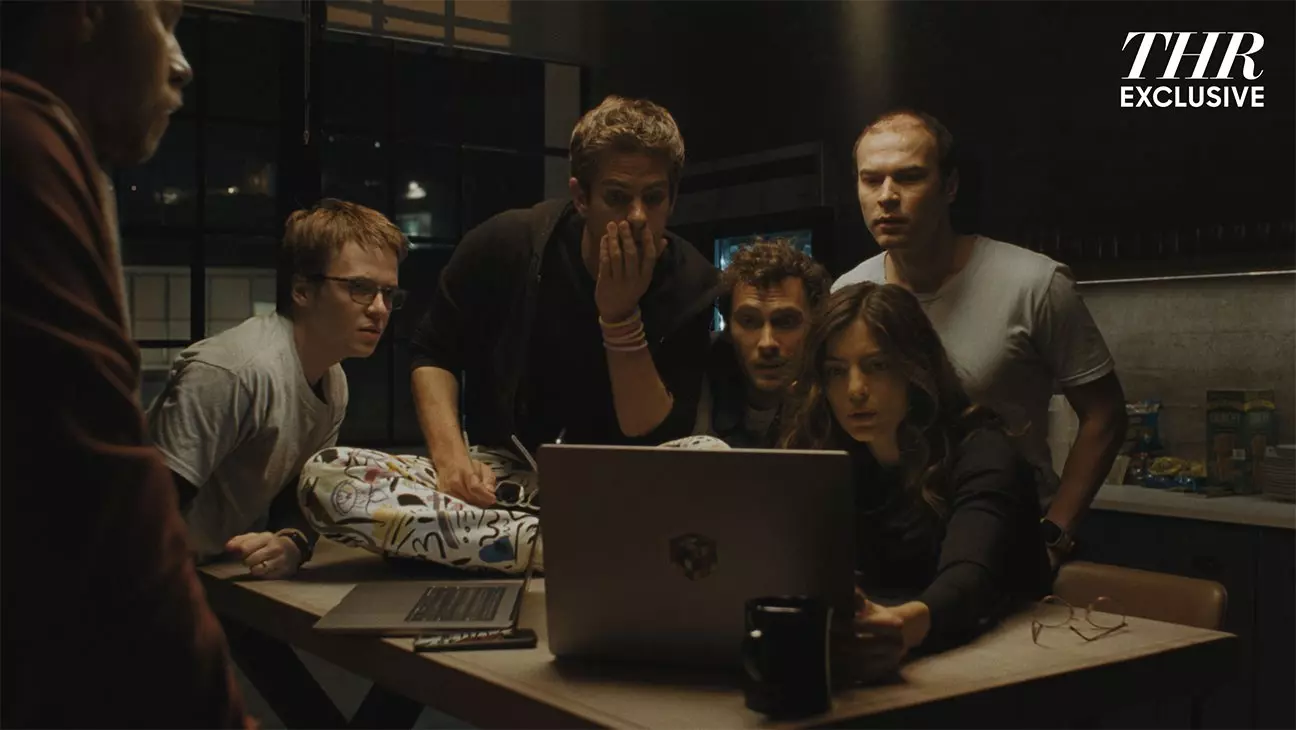
The Controversial Journey of 'Artificial': AI, Art, and Studio Battles
ByRicky Gervais
A cloak-and-dagger screening of Luca Guadagnino's new film, 'Artificial,' about the origins of OpenAI and its key figures, Sam Altman and Ilya Sutskever, captivated Neon executives on a Wednesday morning in Century City. The film, initially developed by Amazon MGM Studios, found itself without a distributor after the studio decided against its release, thrusting one of the year's most talked-about and contentious movies onto the market.
Neon quickly expressed interest, being the first to view the film before other major players like Netflix and A24. While reactions were largely favorable, many ultimately declined to acquire it. This led to widespread conjecture: was the film's quality a factor? Or perhaps its substantial $40 million budget? More significantly, some pondered if the increasing intertwining of major entertainment companies with Big Tech created a conflict of interest, making them wary of a film that delves into the potentially dangerous implications of artificial intelligence. Guadagnino and actor Andrew Garfield, who delivers a compelling portrayal of Altman, openly shared their perspectives on these industry dynamics.
Scheduled for its debut at the New York Film Festival and a Christmas Day theatrical release by Neon, 'Artificial' is particularly resonant given recent warnings from AI leaders about the rapid advancement of generative AI. The film, penned by Simon Rich and brought to life by Guadagnino, traces the evolution of OpenAI through the lives of Ilya and Sam, from the optimistic early days to the unsettling realization of their technology's immense and potentially perilous power. Garfield views his role in 'Artificial' as a continuation of his exploration into the tech world, echoing his earlier performance in 'The Social Network' and highlighting the complex ethical questions surrounding technological innovation and artistic freedom.
This narrative explores the delicate balance between artistic integrity and commercial interests, particularly in an era where technology giants wield significant influence. The journey of 'Artificial' to the screen, marked by both critical acclaim and corporate hesitation, underscores the crucial need for independent voices in cinema to provoke thought and encourage a deeper examination of humanity's relationship with technology. It is a call to action, urging audiences to consider the forces shaping our future and to challenge the prevailing narratives that often prioritize progress over ethical responsibility.
About the author
Ricky Gervais
Comedian, writer, and actor who created "The Office" and writes provocatively on comedy and society.