A Comprehensive Guide to Green Bonds: Investing in Sustainable Environmental Projects
ByMariana Mazzucato
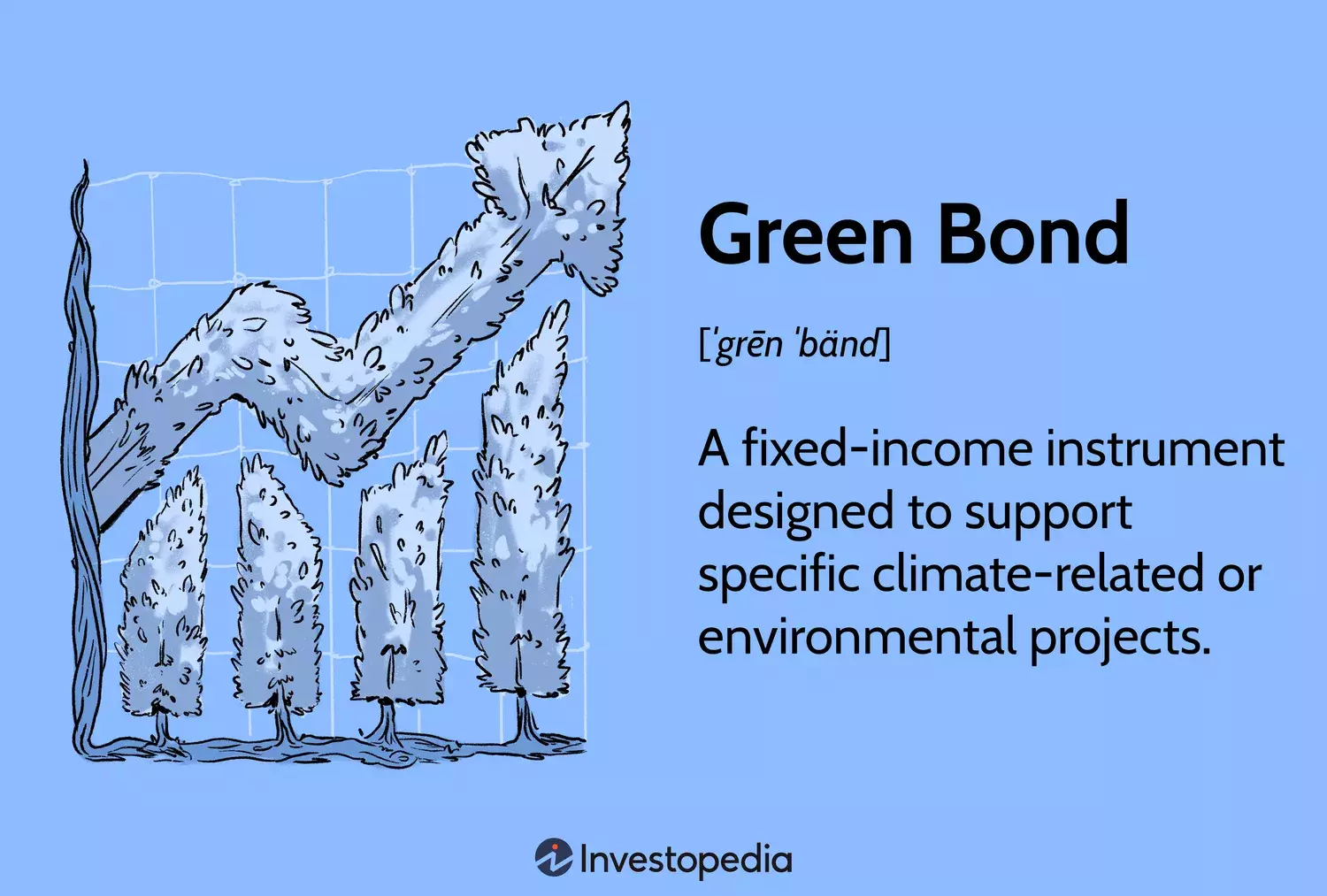
Green bonds are a unique financial instrument designed to channel capital towards projects with tangible environmental benefits. They represent a growing segment of the fixed-income market, offering investors an opportunity to contribute to sustainability while seeking financial returns. This guide delves into the essence of green bonds, their market dynamics, various classifications, and key considerations for investors navigating this evolving landscape.
Investing for a Greener Tomorrow: Unlocking the Potential of Sustainable Finance
Defining Green Bonds: A Foundation for Environmental Investing
Green bonds are debt instruments specifically created to raise capital for initiatives that contribute positively to the environment. These can range from renewable energy installations to sustainable transportation systems and efforts to reduce pollution. Crucially, these bonds are backed by the issuing entity's financial stability, carrying the same credit rating as their other debt obligations.
Exploring the Advantages and Operational Aspects of Green Bonds
Green bonds play a significant role in promoting environmental sustainability by providing funding for diverse projects. These include endeavors focused on energy efficiency, sustainable agriculture, forest conservation, and the protection of both marine and terrestrial ecosystems. Additionally, they support the development of eco-friendly technologies and strategies for mitigating climate change impacts.
A notable feature of green bonds is their potential for tax incentives, such as credits and exemptions. These benefits can make green bonds more appealing to investors compared to conventional taxable bonds. Furthermore, organizations like the Climate Bonds Standard Board often verify green bonds to ensure that the funds are indeed directed towards projects with legitimate environmental benefits, although investors are advised to perform their own due diligence.
The Expanding Landscape of the Green Bond Market
The green bond market has experienced remarkable growth, evolving from a modest $2.6 billion in 2012 to an estimated $575 billion in 2023. This expansion is largely driven by increasing government regulations aimed at climate action and a surge in investor interest in environmental, social, and governance (ESG) factors. Governments, for instance, issued $190 billion in green bonds in 2023 alone.
Expectations for continued growth are high, fueled by potentially lower borrowing costs, anticipated interest rate reductions, and enhanced market transparency resulting from European regulations. The emergence of green bond funds in the 2010s has also opened doors for individual investors to participate, with major financial institutions offering mutual funds and exchange-traded funds (ETFs) focused on this sector. The World Bank's issuance of the first labeled green bond for institutional investors in 2008 marked a significant milestone, setting a precedent for sustainable finance.
Illustrative Examples of Successful Green Bond Initiatives
The World Bank stands out as a prominent issuer of green bonds. In 2022, their initiatives resulted in $40.8 billion in bonds issued, with substantial funds allocated to and disbursed for various projects. Historically, between 2008 and 2020, the bank issued $14.4 billion in green bonds, channeling investments into key areas such as energy and efficiency (33%), clean transportation (27%), and agriculture and land use (15%).
A notable success story is the Rampur Hydropower Project in northern India, which was financed by the World Bank's green bond sales. This project generates nearly 2 megawatts of low-carbon hydroelectric power annually, successfully preventing 1.4 million tons of carbon emissions. By 2022, the collective efforts of the World Bank's projects had led to a total reduction of 8.4 million tons in carbon emissions.
Categorization of Green Bond Structures
While all green bonds support environmental projects, their structural characteristics, including issuer, fund utilization, and bondholder rights during liquidation, can differ significantly:
"Use of Proceeds" Bonds: These bonds earmark funds exclusively for green projects. In the event of issuer liquidation, bondholders retain recourse to the issuer's general assets, meaning these bonds typically share the same credit rating as the issuer's other debt.
"Use of Proceeds" Revenue Bonds or Asset-Backed Securities: These finance or refinance green projects, but their repayment relies on specific revenue streams generated by the issuer, such as taxes or fees. State and municipal entities commonly employ this structure.
Project Bonds: These bonds are tied to a singular green project, with investor recourse limited solely to the assets of that specific project.
Securitization Bonds: This type aggregates multiple green projects into a single debt portfolio, allowing bondholders recourse to the combined assets of all underlying projects.
Covered Bonds: These debt instruments fund a designated "covered pool" of green projects. Investors have primary recourse to the issuer, but if the issuer defaults, bondholders can claim against the covered pool's assets.
Green Loans: Beyond bonds, green projects can also be financed through loans, which can be secured (backed by collateral) or unsecured (relying on the borrower's general assets).
A Novice's Handbook for Green Bond Investments
While institutional investors, mutual funds, and hedge funds typically dominate the green bond market, individual investors can gain exposure through mutual funds and ETFs. These vehicles allow retail investors to align their financial portfolios with their environmental values. For instance, the iShares USD Green Bond ETF (BGRN) tracks investment-grade bonds that fund environmental initiatives, covering both U.S. and non-U.S. dollar-denominated debt.
Investing in individual green bonds directly can be more intricate for retail investors, often involving minimum deposits, maintenance fees, and commissions through brokerage accounts. Government-issued green bonds may offer more direct purchase options.
Navigating the Verification of Green Bonds
A significant hurdle in the green bond market is the lack of a universal standard for verifying a bond's environmental credentials. Some debt instruments marketed as "green" may have questionable environmental impacts, a practice known as greenwashing. Therefore, thorough due diligence is crucial for investors. Beyond the Climate Bonds Initiative, various entities such as Bloomberg L.P., rating agencies like Moody's, and specialized firms provide assessments of issuers' environmental claims to help investors make informed decisions.
Green bonds offer a compelling opportunity to invest in environmental progress while pursuing financial goals. However, careful evaluation of each bond's environmental impact and financial structure remains paramount for all investors.
About the author
Mariana Mazzucato
Economist and professor focused on government's role in innovation and value creation in the economy.