Coen Brothers Hint at Minneapolis Return for New Film Amid Industry Shifts
ByJohn Lasseter
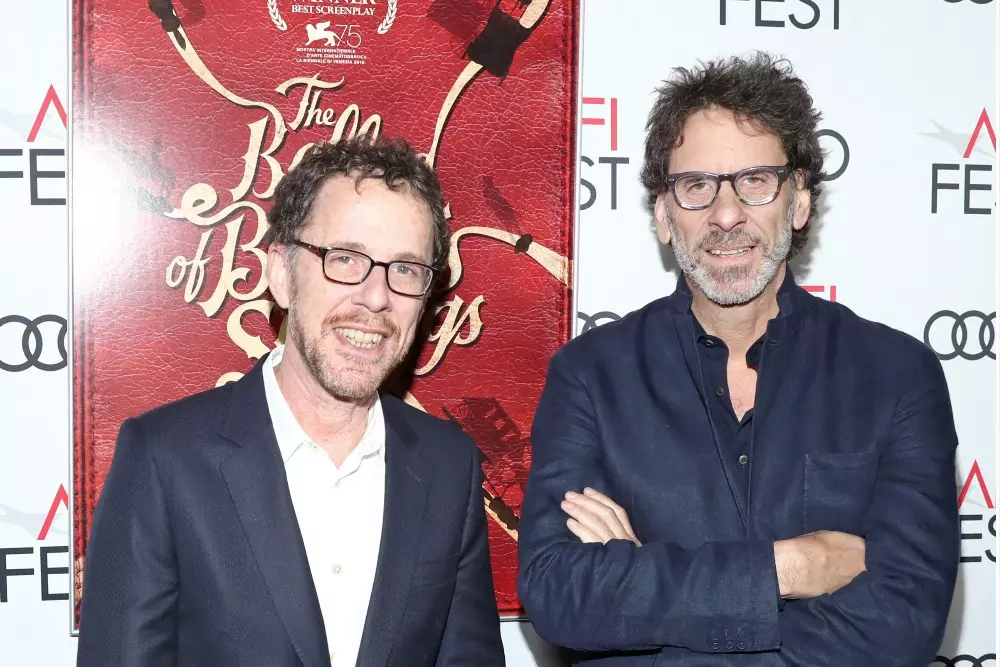
Renowned filmmakers Joel and Ethan Coen recently offered insights into their future projects, reminiscing about their cinematic journey, and sharing candid thoughts on the transformations sweeping across the modern film landscape, from studio mergers to the rise of AI.
The Coen Brothers: A Cinematic Journey and Vision for the Future
A Potential Homecoming: New Project Set in Minneapolis
The acclaimed sibling directors, Joel and Ethan Coen, are exploring the possibility of directing a new film in their hometown of Minneapolis. This consideration comes eight years after their last joint venture, "The Ballad of Buster Scruggs," and follows their career tribute at the Lumière Film Festival. Minneapolis previously served as the backdrop for two of their iconic films, "Fargo" (1996) and "A Serious Man" (2009).
Reunion and Unproduced Scripts: The Creative Process Continues
Despite pursuing individual projects in recent years, the Coen brothers have consistently collaborated on writing. They revealed a collection of unproduced screenplays, including one Minneapolis-based story that would require recasting due to the passing of the intended lead actor. Another script, though recently penned, now feels anachronistic, prompting them to ponder its relevance in today's cultural climate.
Navigating Political Narratives in Filmmaking
While their films often carry satirical undertones, Joel and Ethan Coen are cautious about explicitly embedding political commentary into their narratives. They view political backdrops as context for storytelling rather than direct subject matter, asserting that their focus remains on the internal logic of the story itself, leaving broader interpretations to the audience.
The Evolving Landscape of Film Distribution: Streaming vs. Theatrical Experience
The Coen brothers provided a balanced perspective on the impact of streaming platforms, acknowledging how early home video formats indirectly supported their careers by creating more diverse funding opportunities. However, Joel Coen passionately advocated for the theatrical experience, emphasizing the unique communal aspect of watching films in a cinema and expressing optimism that streaming services are beginning to re-appreciate the value of traditional movie releases.
Reflections on AI and the Future of Visual Storytelling
Addressing the growing influence of artificial intelligence in filmmaking, Joel Coen dismissed the notion of AI replacing screenwriters. He did, however, express concerns about the increasing reliance on computer-generated imagery, suggesting it risks transforming cinema into a form of animation. He cited a scene from their 1990 film "Miller's Crossing" to illustrate the tangible artistry that could be lost with an over-reliance on digital effects.
Studio Consolidation: A Double-Edged Sword for Creativity
When questioned about the implications of major studio mergers, Joel Coen admitted uncertainty but voiced a general apprehension. He highlighted that while market competition is a driving force, excessive consolidation could stifle the creation of diverse cinematic content. He stressed that a competitive environment is crucial for fostering opportunities for different kinds of movies to emerge.
About the author
John Lasseter
Former chief creative officer of Pixar, whose principles of storytelling have shaped modern animation.