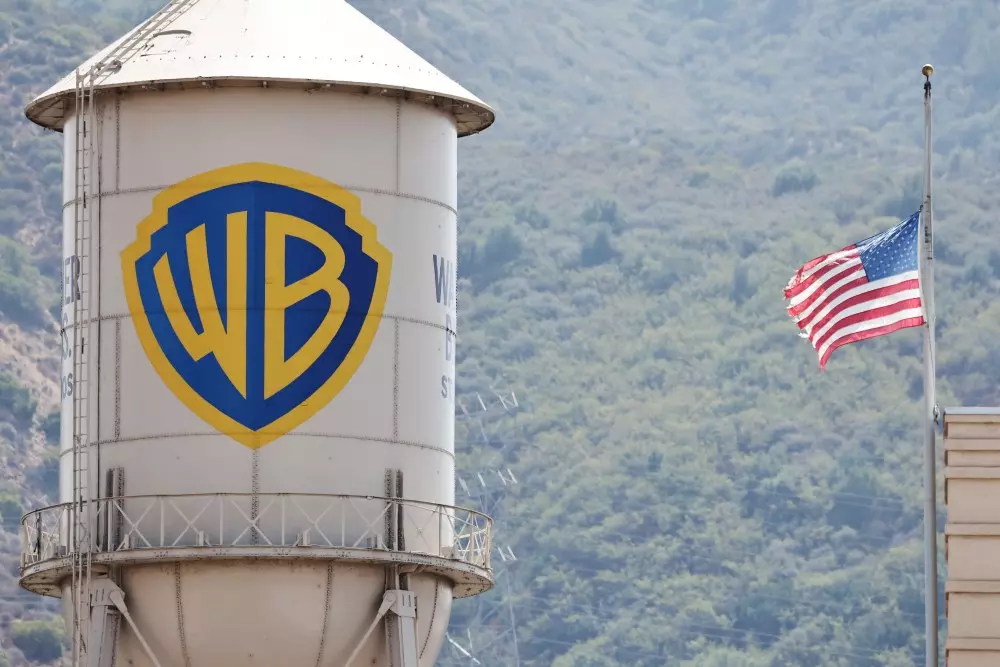
A unified front of organizations operating under the banner of "Block the Merger" has formally presented an amicus brief—a legal submission from a non-party offering relevant information—to the federal court in California. This brief stands in opposition to the proposed consolidation between Paramount Skydance and Warner Bros. Discovery. The collective contends that the settlement reached by Paramount and several states' attorneys general is insufficient, arguing it does not effectively mitigate the potential negative impacts on industry competition, artistic innovation, and the landscape of independent journalism.
Coalition Files Amicus Brief to Halt Paramount-Warner Bros. Discovery Deal Settlement
In a significant legal development on Thursday, September 25, 2026, various groups aligned under the "Block the Merger" initiative submitted an amicus brief to a California federal court. This action followed a crucial decision earlier in the day by Judge Araceli Martínez-Olguín, who presides over the case. Judge Martínez-Olguín granted permission for interested parties to file amicus briefs by a deadline of 12:01 a.m. PT, responding to an emergency motion previously filed by the coalition seeking such a right. This swift legal maneuver came after 12 state attorneys general had finalized a settlement regarding the proposed merger between Paramount Global and Warner Bros. Discovery, aiming to resolve potential legal challenges.
The amicus brief was jointly filed by several prominent organizations: Free Press, the Committee for the First Amendment, the Freedom of the Press Foundation, the Future Film Coalition, and the International Documentary Association. These entities argue that the terms of the consent decree, announced on Monday morning, have been met with widespread skepticism or, at best, lukewarm acceptance from those without a direct financial stake in the transaction. The coalition expressed strong dissatisfaction, stating that the settlement fails to adequately address the anticipated harm to competition, creativity, and the vitality of independent journalism. They asserted in a collective statement that the deal would cause lasting damage for years to come.
The groups further highlighted that their arguments mirrored concerns previously voiced by California Attorney General Bonta, questioning the abrupt shift in the attorney general's stance. They critically described the settlement as "toothless" and a departure from governmental safeguards designed to protect the public interest. Consequently, the coalition urged the court to completely reject the proposed consent decree. Adding to the opposition, the League of United Latin American Citizens (LULAC) has also independently filed an amicus brief, reinforcing the collective pushback against the settlement.
The concerted efforts by these diverse organizations underscore a growing apprehension within various sectors regarding the implications of large-scale media mergers. The filing of multiple amicus briefs signals a strong commitment to advocating for public interest, fair competition, and the preservation of journalistic integrity. This case serves as a critical example of how civil society groups can engage with the legal system to challenge corporate consolidations they believe could negatively impact broader societal values and market dynamics. The court's decision will undoubtedly set a precedent for future merger considerations in the entertainment and media industries, emphasizing the importance of balancing corporate interests with the public good.
About the author
Guillermo del Toro
Oscar-winning filmmaker and author whose work and commentary explore fantasy, horror, and cinema.