Cinnamon: A Versatile Spice for Savory and Sweet Dishes
ByJamie Oliver
Cinnamon, a beloved spice often associated with autumnal treats, holds a much broader culinary significance than commonly perceived. While frequently relegated to the realm of desserts in Western cultures, its true versatility shines through in diverse savory dishes across the globe. This aromatic ingredient, whether in its robust cassia form or the more delicate Ceylon variety, enriches a wide array of meals, proving itself to be a fundamental component that harmonizes and deepens flavors rather than merely adding a sweet note.
Unlock Cinnamon's Hidden Potential: Elevate Your Savory Cooking Beyond Sweets!
Unveiling the Global Tapestry of Cinnamon's Culinary Journey: From Sweet Delights to Savory Staples
In many Western kitchens, cinnamon predominantly features in sugary concoctions like apple crisps and pumpkin spice lattes, often evoking images of cozy fall evenings. However, its role expands dramatically across different cultures. In the Middle East, for instance, this spice is a cornerstone of daily cooking. It imbues lamb stews with a comforting warmth, enriches tomato-based sauces, and is seamlessly incorporated into rice dishes. Essential to regional spice blends such as bharat, cinnamon contributes a vital depth to dishes like macarona bil laban, a savory pasta with yogurt. Even within Middle Eastern desserts, cinnamon's presence is fluid, gracing rice pudding, filling the walnut layers of atayef pastries, and enhancing the bold flavors of carawaya, a winter pudding. This showcases cinnamon's ability to transition effortlessly between sweet and savory, enriching both everyday meals and festive celebrations.
Distinguishing Between Cinnamon Varieties: Understanding the Nuances of Flavor
To fully appreciate cinnamon's culinary applications, it's beneficial to understand its different forms. The majority of cinnamon found in U.S. markets is cassia (Cinnamomum aromaticum or C. loureiroi), characterized by its strong, sweet-spicy profile, familiar from cinnamon rolls and gingerbread. In contrast, true cinnamon, known as Ceylon (C. verum), offers a more delicate, floral, and vanilla-like flavor with subtle citrus undertones. While both types can be utilized in savory recipes, cassia is more prevalent in Middle Eastern cuisine, lending its distinctive character to both sweet and savory preparations alike.
Exploring Cinnamon's Savory Footprint Across International Cuisines
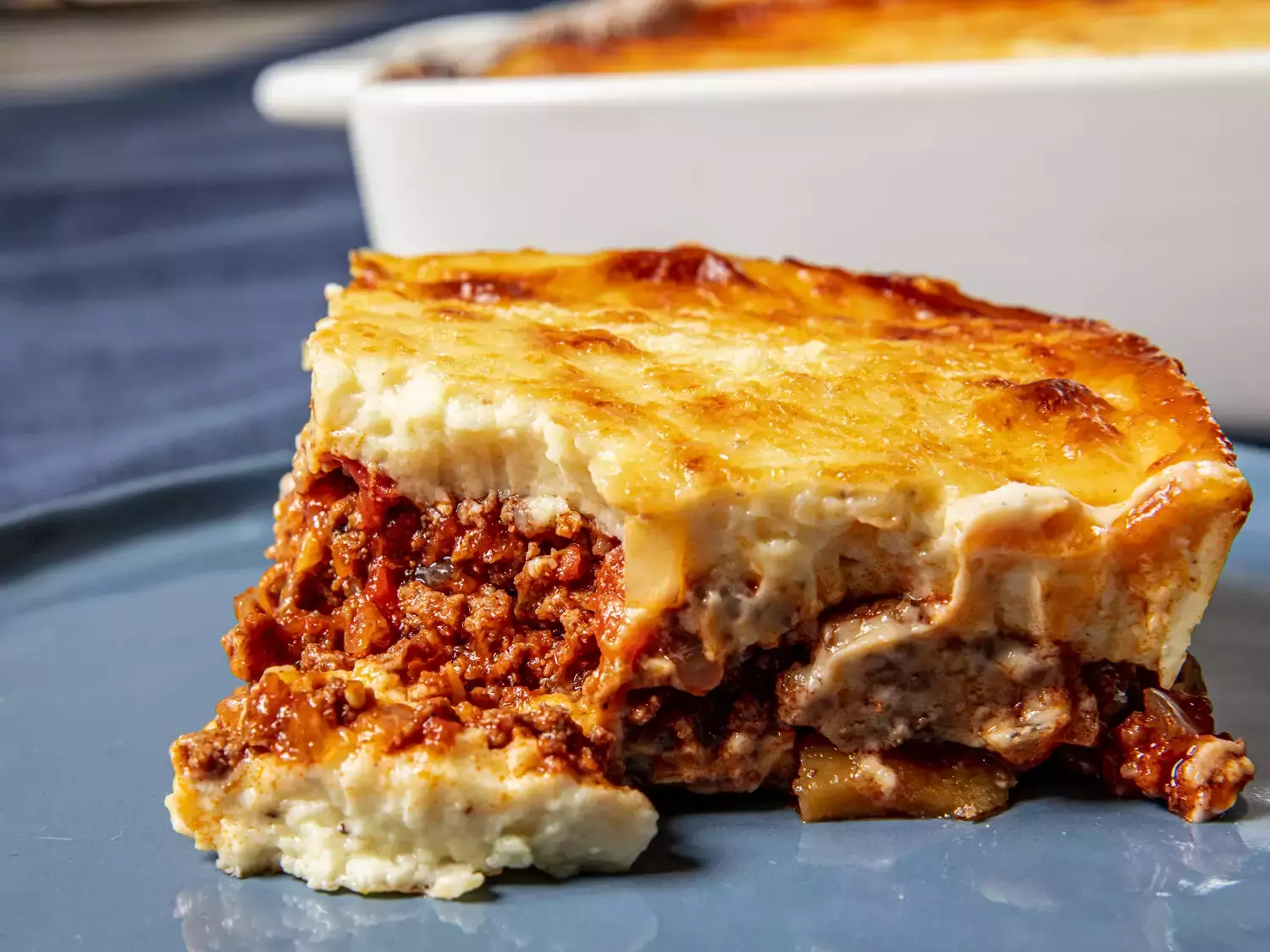
Cinnamon's savory influence extends far beyond its origins. In Mexican cooking, it contributes to the intricate flavor profiles of dishes such as mole negro, where its earthy sweetness mellows the intensity of chilies and balances the bitterness of chocolate. Guatemalan pepián, a rich meat stew, similarly benefits from cinnamon's depth, complementing roasted ingredients like tomatillos and smoky chilies. Across North Africa, cinnamon is a key ingredient in tagines, enhancing the rich, slow-cooked lamb and highlighting the fruity notes of dried apricots or prunes. Indian cuisine frequently uses cinnamon in curries and biryanis, where its distinctive resinous quality intertwines with other spices like cumin and cardamom, infusing rice and meat with a complex, almost floral aroma. In Greek cooking, cinnamon subtly enhances tomato sauces for pastitsio and moussaka, providing a gentle warmth that balances the richness of béchamel and the savory notes of ground meat. In all these culinary traditions, cinnamon is not merely an addition; it is a foundational flavor that integrates seamlessly into the dish, offering a nuanced depth that is rarely identified as overtly "cinnamon-like" but is nonetheless indispensable.
Innovative Ways to Incorporate Cinnamon into Everyday Savory Dishes
While cinnamon remains a cherished component in desserts, its potential in savory cooking is vast and often overlooked. Here are some innovative suggestions for integrating cinnamon into your daily meals:
Infuse braised meats: Add a cinnamon stick to pots of slow-cooked short ribs or beef stew. The spice’s warmth enhances the meat’s richness and complements wine-based sauces.
Enhance chili and tomato sauces: Incorporate a cinnamon stick into chili or tomato sauce as it simmers. This practice mellows acidity, imparts a subtle sweetness, and builds a more complex, layered flavor profile.
Flavor rice during cooking: A cinnamon stick in the pot can subtly perfume rice grains. For a more intense flavor, briefly sauté a pinch of ground cinnamon in oil before adding rice and liquid.
Elevate spice rubs: Include cinnamon in rubs for chicken, lamb, or pork. Its woody notes pair exceptionally well with earthy and citrusy spices like cumin, coriander, and cardamom.
Season roasted vegetables: Toss vegetables such as carrots, squash, or sweet potatoes with olive oil or butter, salt, and a touch of cinnamon before roasting. The natural sweetness of the vegetables beautifully echoes the spice. Start with about half a teaspoon of ground cinnamon for a sheet pan of vegetables, adjusting to taste.
By exploring these savory applications, cinnamon transforms from a seasonal novelty into a daily culinary staple, offering warmth and depth to a variety of dishes, from soups and bean preparations to roasted vegetables.
About the author
Jamie Oliver
Celebrity chef and campaigner known for simple recipes and advocacy for healthy school meals.