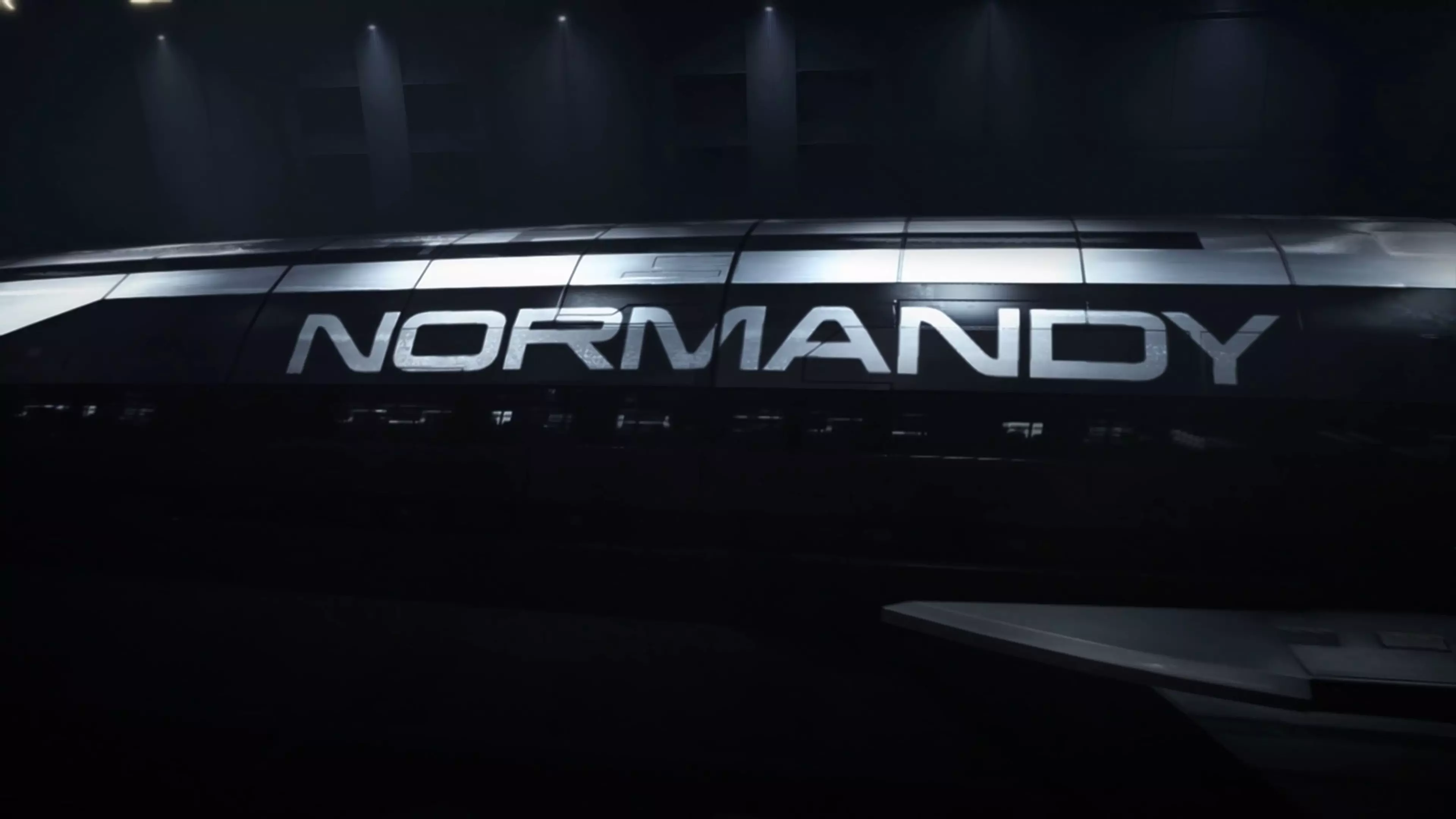
The gaming world recently absorbed the difficult news of BioWare's closure by Electronic Arts. This studio, revered for three decades of crafting iconic fantasy and sci-fi role-playing games, ceased operations as part of EA's workforce reduction that saw approximately 400 employees laid off. Among the casualties was the eagerly awaited Mass Effect 5, which had been in development.
This marks a poignant conclusion for a company once at the forefront of choice-based, story-rich RPGs. The dedicated teams behind BioWare's titles brought to life expansive universes populated with memorable characters, offering players a profound sense of inclusion and identity. Many fans attest that these games profoundly influenced, and in some cases, even rescued their lives, underscoring the immeasurable value of interactive art. However, a studio is a collective of individuals, and while some prominent figures had already moved on, the closure leaves many talented developers facing an uncertain future in an industry grappling with widespread layoffs.
BioWare's Golden Era and Subsequent Challenges
BioWare garnered significant acclaim for its groundbreaking approach to storytelling, empowering players with genuine agency over their in-game narratives. Titles like the Mass Effect trilogy and the Dragon Age series achieved immense commercial success, with Dragon Age Inquisition notably winning Game of the Year in 2014. These games fostered deep connections with players through their compelling characters and immersive worlds, allowing for personalized experiences and significant emotional investment. Despite this success, the studio also faced intense criticism, particularly regarding the ending of Mass Effect 3, which led to an unprecedented community-driven patch.
While BioWare found its stride with beloved franchises like Mass Effect and Dragon Age, its foundation was built on other highly respected RPGs. Early successes such as Baldur's Gate cemented BioWare's reputation, laying the groundwork for future hits and influencing later blockbusters like Baldur's Gate 3. The studio further distinguished itself with Star Wars: Knights of the Old Republic and Jade Empire before the Mass Effect era. From 2007 to 2014, BioWare experienced a peak, releasing multiple Mass Effect and Dragon Age titles in quick succession, a feat almost unimaginable in today's lengthy development cycles. However, this period also revealed the intense pressures of game development, including "BioWare Magic," a term that often masked demanding crunch periods. The studio's later years were marked by increased scrutiny and challenges, with incidents like the hostile fan reaction to Dragon Age 2 leading to targeted harassment against developers, highlighting the darker side of passionate fan engagement.
The Trajectory of Recent Releases and the Studio's Demise
Following the triumph of Dragon Age: Inquisition in 2014, BioWare embarked on a series of projects that struggled to recapture its former glory. Mass Effect Andromeda, released in 2017, suffered from a difficult development and lukewarm reception despite some gameplay improvements, failing to resonate with audiences as deeply as its predecessors. This was followed by Anthem, a live-service shooter that, while visually appealing, deviated significantly from BioWare's narrative strengths, ultimately becoming another commercial disappointment. The studio's final release, Dragon Age: The Veilguard, managed to deliver a well-received experience despite a challenging development cycle, yet it underperformed commercially, leading to its snub at the Game Awards. This consistent underperformance, coupled with concerns following Electronic Arts' acquisition by private investors, including Saudi Arabia's Public Investment Fund, contributed to the growing anxieties about BioWare's future.
The decade following Dragon Age: Inquisition saw BioWare grappling with a string of commercial and critical missteps. Mass Effect Andromeda, launched in 2017, was plagued by a difficult production timeline and, despite some refined gameplay mechanics, its narrative shortcomings and less memorable characters prevented it from achieving the iconic status of the original trilogy. This was succeeded by Anthem, an ambitious but ultimately flawed live-service game that diverged sharply from BioWare's established expertise in single-player, story-driven RPGs. Its development was reportedly rushed, leading to a product that was buggy, repetitive, and lacked the narrative depth fans expected. Although the core gameplay had its merits, the title was fundamentally misaligned with the studio's strengths and quickly faded. BioWare's last offering, Dragon Age: The Veilguard, emerged from its own development struggles to critical acclaim from players and reviewers. However, it failed to meet EA's sales targets, likely due to being a sequel to a decade-old game and perhaps signaling a shift in market preferences. The consistent commercial underperformance of these titles, especially in the context of EA's acquisition by new investors, intensified speculation about BioWare's long-term viability. Many fans expressed concern that the new ownership might prioritize profitability over the progressive themes and inclusive storytelling that defined BioWare's legacy, ultimately culminating in the studio's closure and the unfortunate cancellation of Mass Effect 5, a project that developers had praised for its ambition and innovative direction.
About the author
Mark Rosewater
Head designer for "Magic: The Gathering" and author of long-running insights on game design.