Beyond Lore: Why Creative Freedom Benefits the Resident Evil Franchise
ByReiner Knizia
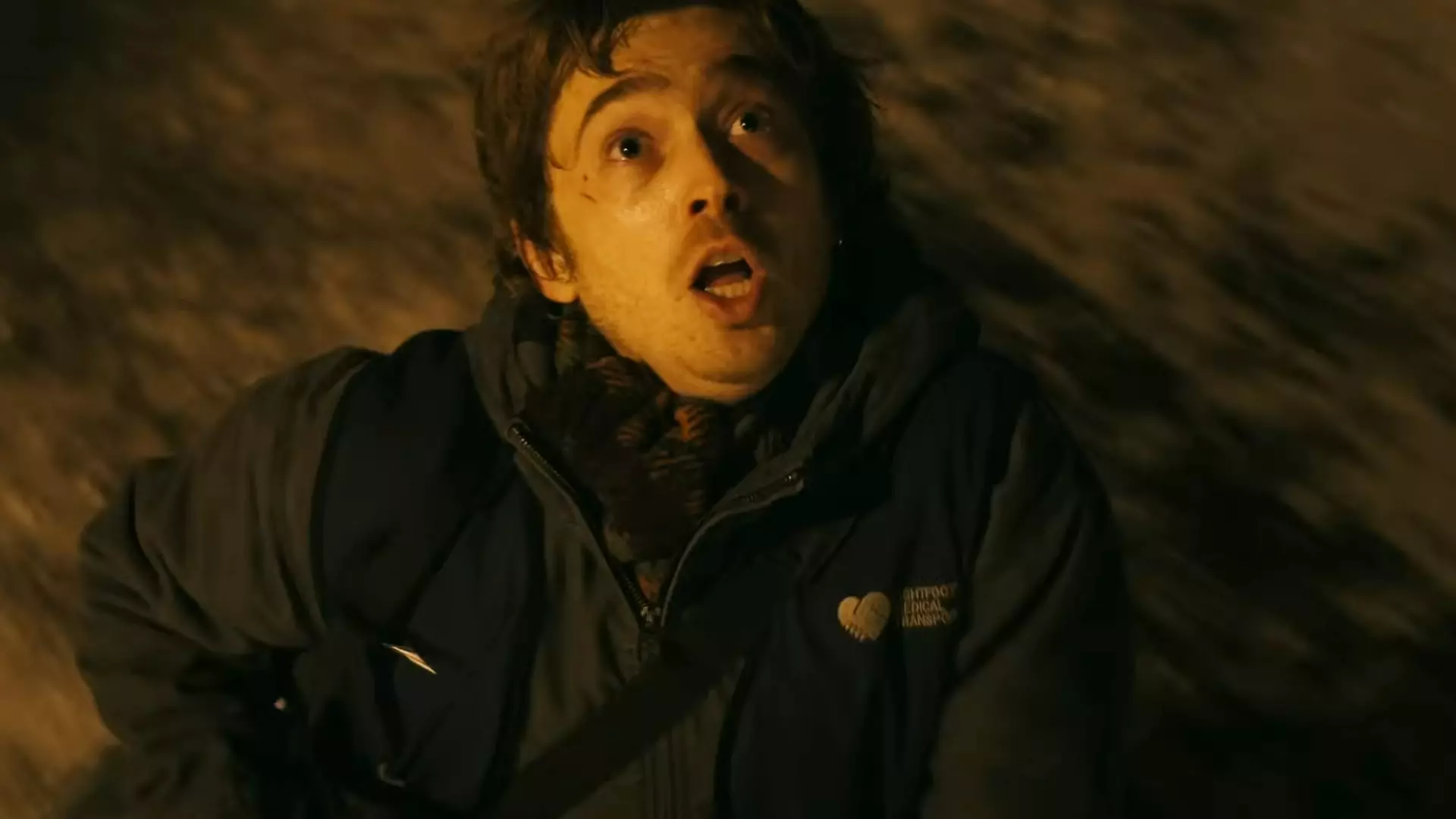
In the vast realm of fan communities, the loudest voices often dominate discussions, a phenomenon particularly evident in the ongoing discourse surrounding Zach Cregger's forthcoming Resident Evil film. Despite promising glimpses in trailers, a segment of the fanbase remains unconvinced, voicing apprehension over the movie's departure from the established game canon. Critics highlight its narrative running parallel to, rather than directly adapting, Resident Evil 2's events, and its innovative interpretation of the T-virus's capabilities. Yet, as literary wisdom suggests, an unrelenting pursuit of perfection can often lead to discontent.
Embracing Narrative Evolution: The Resident Evil Saga
The contention that a film must strictly adhere to every detail of its source material to be considered a 'good' adaptation overlooks the dynamic nature of storytelling, a fluidity even Capcom, the creators of Resident Evil, has frequently embraced. Consider the evolution of characters and plotlines within the game series itself. In the original Resident Evil 4, Krauser's allegiance was to Wesker, tasked with retrieving a sample. However, the remake reimagines him as a henchman for Saddler, a change that not only deepens Saddler's enigmatic presence but also strategically propels the narrative forward, preventing an anticlimactic conclusion. Similarly, Brad Vickers' demise in the Resident Evil 3 remake was altered, demonstrating a willingness to revise established events for a more compelling narrative. The outbreak timeline in Raccoon City has also seen various interpretations across different game iterations, from the original titles to the remakes of Resident Evil 2 and 3, and the spin-off series like Resident Evil Requiem. The latter even boldly transformed a central villain, Spencer, into a figure seeking redemption and introduced Zeno, a Wesker clone, to creatively extend plot possibilities. These instances underscore a vital philosophy: an evolving narrative, rather than strict adherence, allows for richer, more engaging experiences.
The Resident Evil franchise thrives on its capacity for narrative evolution, a practice exemplified by Capcom's own approach to modifying established lore. This dynamic adaptability is not a weakness but a strength, empowering creators to prioritize compelling storytelling and optimal gameplay over rigid historical fidelity. For a film adaptation to truly capture the spirit of Resident Evil, it must resonate with the essence of survival horror, a core understanding that director Zach Cregger appears to grasp. While an anticipation for a film that embraces the atmospheric 'vibes' over precise lore adherence is palpable, a definitive judgment can only be made upon its release. Ultimately, granting creative leeway to filmmakers ensures that the rich legacy of Resident Evil continues to be explored and reinterpreted in exciting new ways, rather than being confined by past iterations.
About the author
Reiner Knizia
Prolific and award-winning board game designer with a PhD in mathematics, known for elegant game mechanics.