Behind the Scenes of "The Weight": Crafting Peril and Authenticity
ByShigeru Miyamoto
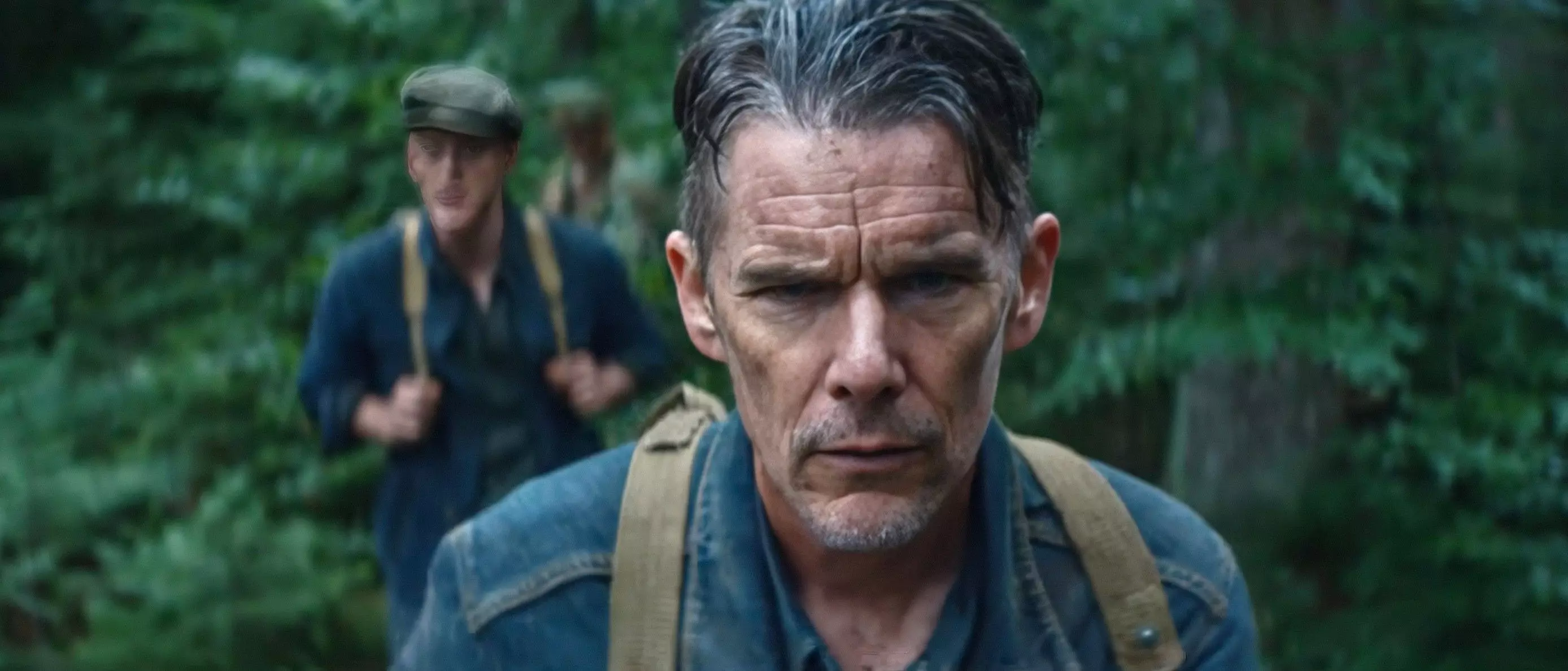
"The Weight," a new historical drama, plunges viewers into the arduous world of 1930s Oregon, chronicling the desperate journey of Samuel Murphy, portrayed by Ethan Hawke. The film's production was as demanding as its narrative, with cast and crew facing physical and logistical hurdles in the Bavarian forests of Germany. Director Padraic McKinley meticulously crafted an immersive experience, drawing inspiration from cinematic classics to bring his vision to life. The film's centerpiece, a perilous rope bridge scene, exemplifies the dedication and ingenuity required to create such a visceral and authentic portrayal of survival against the odds.
Filming "The Weight": A Journey into the Wilderness
In the heart of Germany's picturesque Bavaria, far from the comforts of modern civilization, director Padraic McKinley orchestrated the filming of "The Weight," a compelling historical drama. Ethan Hawke, embodying the character of Samuel Murphy, a dispossessed father striving for freedom, revealed the intense physical demands of the production. Prior to shooting the film's most critical sequence—a nerve-wracking crossing of a rickety rope bridge while hauling heavy gold bars—Hawke sustained a minor hamstring injury. Despite this setback, he persevered, driven by his commitment to the project and the collaborative spirit of the team. The bridge itself, a masterful creation by production designer Cora Pratz, was engineered to appear treacherous yet remain structurally sound, featuring wide gaps that added to the illusion of danger. McKinley employed ingenious camera techniques, switching backgrounds and having Hawke turn around, to simulate movement across the bridge from both directions, a testament to the magic of filmmaking. The entire cast, including Julia Jones, who plays an Indigenous runaway, faced relentless challenges, from navigating dense forests to enduring the physical toll of their roles. These hardships, ironically, enhanced their performances, allowing them to authentically convey the characters' struggles. The remote filming locations, devoid of modern distractions like cell service, further immersed the actors in the 1930s setting, fostering a profound connection to the era. McKinley acknowledged drawing inspiration from cinematic masterpieces like William Friedkin's "Sorcerer" for its intense bridge sequence and "Indiana Jones and the Temple of Doom" for its innovative location scouting and practical effects, proving that even the most challenging environments can be transformed into cinematic triumphs with creativity and homage to the best in filmmaking.
The creation of "The Weight" stands as a powerful testament to the dedication and resilience required in filmmaking. It highlights how the very challenges faced during production—from physical injuries to remote locations—can paradoxically enhance the authenticity and emotional depth of a story. This film reminds us that true artistry often emerges from pushing boundaries and embracing the arduous journey, ultimately delivering a compelling and unforgettable cinematic experience.
About the author
Shigeru Miyamoto
Legendary game designer at Nintendo, creator of Mario, Zelda, and Donkey Kong.