Asus ROG Xbox Ally X20: A Premium Handheld Gaming Experience
ByReiner Knizia
The Asus ROG Xbox Ally X20, marking the brand's 20th anniversary, offers a notably more polished experience compared to the original Xbox Ally X, albeit with a higher price tag. This updated model brings a range of enhancements, including a stunning OLED screen, improved thumbsticks, refined triggers, and an advanced cooling system. These additions contribute to a more premium feel and user satisfaction. Despite sharing the same core internal specifications as its predecessor, the X20 stands out due to its superior display quality and thoughtful design adjustments. The device's software is intuitive, allowing seamless transitions between Xbox and Windows environments, although its nature as a PC device means occasional detours through application launchers for games. The X20 represents a significant step forward in handheld gaming, combining robust performance with luxurious features, even if its value proposition is influenced by the current market and its premium positioning.
While the X20 provides a familiar performance profile, its key improvements, such as the vibrant OLED panel and enhanced thermal management, are substantial enough to justify the price for dedicated enthusiasts. The inclusion of TMR thumbsticks and redesigned buttons contributes to a more precise and comfortable control scheme. Furthermore, the device’s efficient cooling system ensures optimal performance during extended gaming sessions without excessive noise. The trade-off for these advancements is a higher cost, which places the X20 in the upper echelon of handheld gaming devices. However, for those seeking a top-tier portable gaming experience with an emphasis on visual quality and comfort, the X20 delivers a compelling package, making it a strong contender in the evolving market of handheld gaming PCs.
Enhanced Features and Design of the ROG Xbox Ally X20
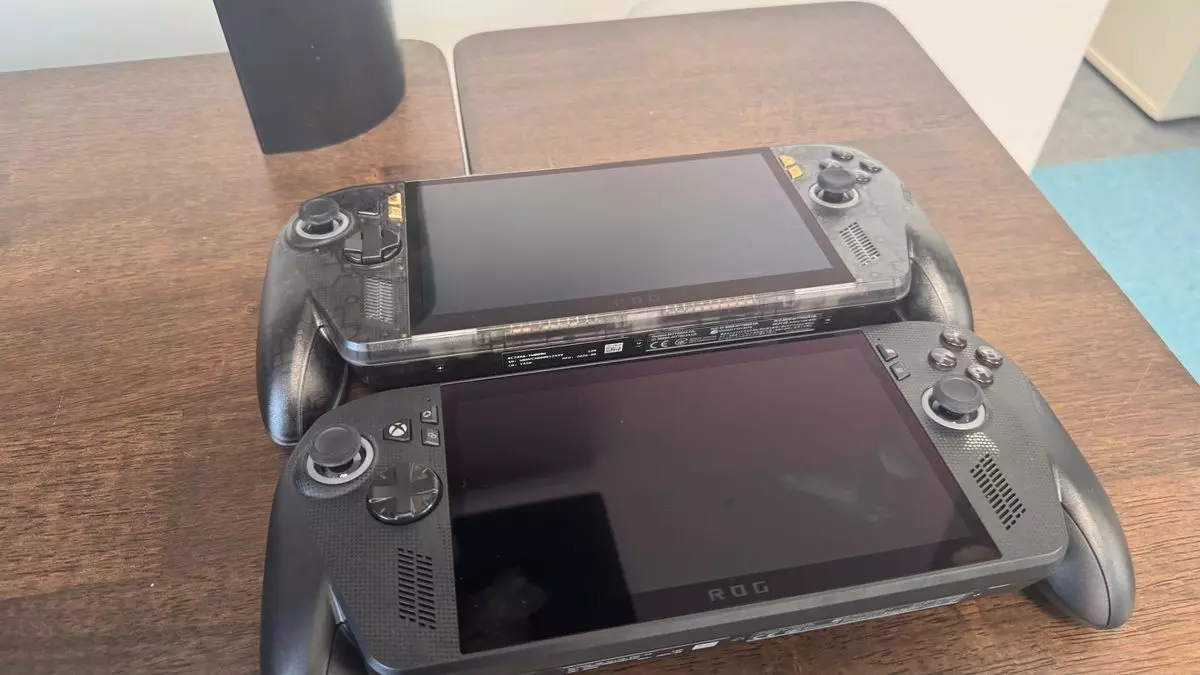
The Asus ROG Xbox Ally X20, an anniversary edition, brings notable improvements over the standard Xbox Ally X, justifying its increased cost. A prominent upgrade is the new 7.4-inch OLED display, which is not only larger but also significantly brighter and more vibrant than the IPS panel found in the original. This OLED screen boasts DisplayHDR True Black 1400 certification and a rapid 0.2 ms response time, offering an immersive visual experience. Additionally, the X20 incorporates TMR thumbsticks and refined triggers, addressing common user feedback and enhancing durability by mitigating stick drift issues. The device also features a completely redesigned cooling system, which effectively maintains lower operating temperatures even during intense gaming sessions, leading to a more stable and comfortable experience. These carefully considered enhancements contribute to a more premium and refined overall design.
Beyond the display and controls, the X20 includes subtle yet impactful ergonomic and functional updates. The D-Pad can be adjusted for varying pronouncements of corner buttons, and the face buttons have improved grooves for a more tactile feel. These small adjustments underscore Asus's commitment to user comfort and precision. The device's operating system, especially the Xbox mode, is praised for its smoothness and intuitive navigation, facilitating easy access to games across different platforms like Steam and Epic. Although it operates on Windows, the integrated software minimizes the need for direct interaction with the full Windows environment during gaming. While the X20 omits an included charger, reflecting an environmental consideration, users are advised to use a sufficiently powerful charger to unlock its full 35W performance capabilities. The device's aesthetics have also been updated with a sleek black and yellow color scheme and a commemorative 20th-anniversary plate, adding to its exclusive appeal.
Performance and Ergonomics for Optimal Gaming
Despite its release a year after the original, the Asus ROG Xbox Ally X20 shares identical core performance specifications, featuring the AMD Ryzen Z2 Extreme processor, 24 GB of LPDDR5X memory, and a 1 TB PCIe 4.0 NVMe M.2 2280 SSD. This means that while the X20 excels in other areas, it doesn't offer a direct performance uplift in raw framerates compared to its predecessor. However, its refined cooling system significantly improves thermal management, ensuring the powerful hardware can sustain peak performance without throttling. Benchmark tests show that the X20 can comfortably run demanding titles like F1 24 and Horizon Zero Dawn at 1080p without upscaling, and even Cyberpunk 2077 maintains a respectable 40 fps. For more intensive games or to maximize battery life, players can adjust wattage settings, with the device performing exceptionally well at lower power modes for less demanding titles.
The ergonomic design of the X20 is a standout feature, offering exceptional comfort even during prolonged use. Its subtle cutouts between the screen and grips provide a natural resting place for fingers, while the new rubberized grips ensure a secure hold. The TMR thumbsticks and responsive buttons, inherited from Microsoft's controller design expertise, offer satisfying tactile feedback and precision. While the absence of a trackpad might be a minor inconvenience for Windows 11 navigation, the overall control layout is highly optimized for gaming. The device’s balanced weight of 756 grams prevents fatigue, making it suitable for extended play sessions. Furthermore, the X20 boasts impressive thermal efficiency, with CPU temperatures rarely exceeding 79°C even under stress, significantly cooler than many competing handhelds. This robust thermal performance, combined with its ergonomic superiority, makes the X20 an exceptionally comfortable and reliable portable gaming machine.
About the author
Reiner Knizia
Prolific and award-winning board game designer with a PhD in mathematics, known for elegant game mechanics.