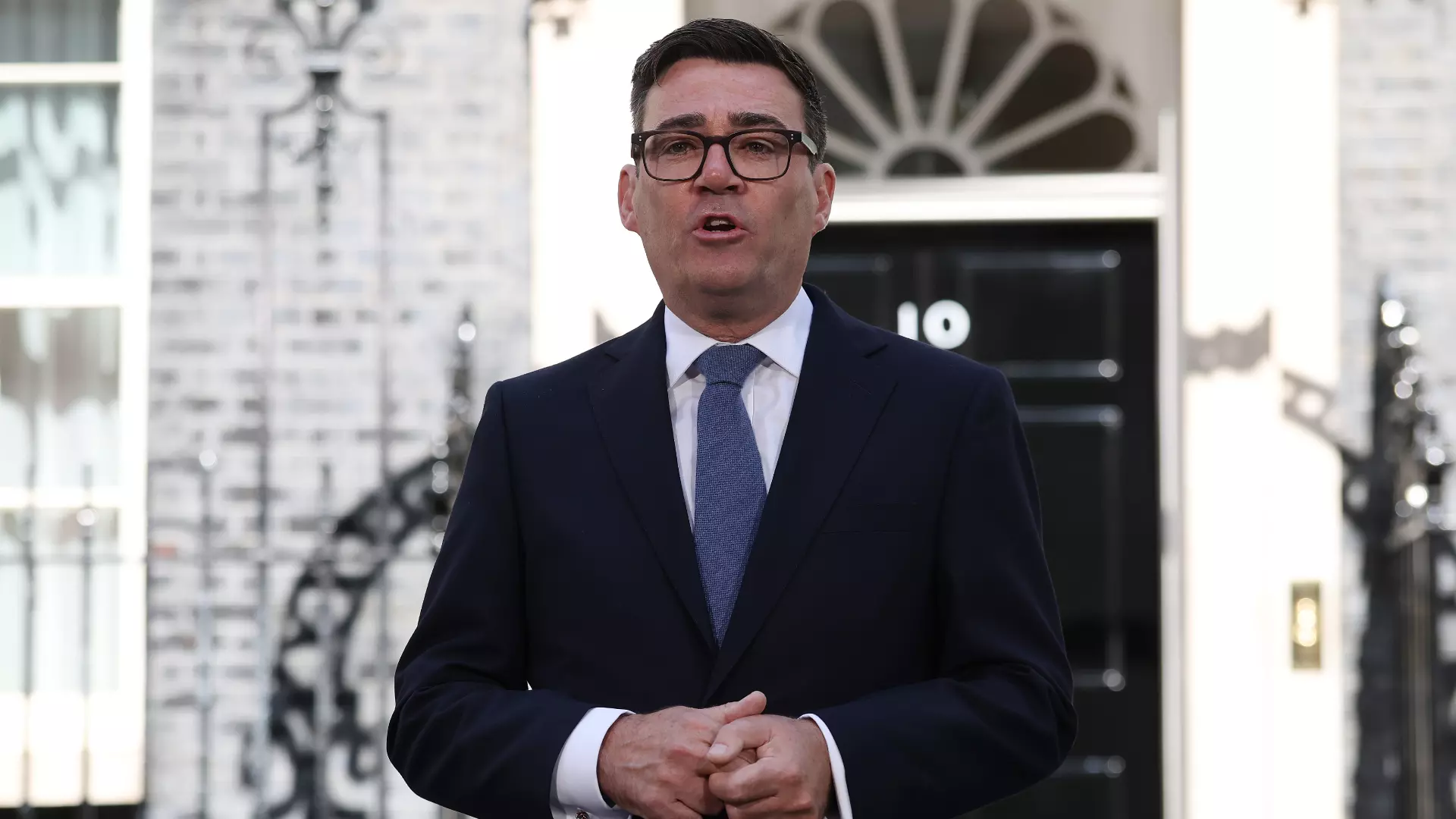
This article details the recent appointment of Andy Burnham as the United Kingdom's Prime Minister, highlighting his political background, the challenges he faces, and his vision for the country.
A New Era for British Leadership: Burnham's Ascent to Power
Burnham Takes the Helm: A New Chapter in UK Governance
Andy Burnham has officially assumed the role of the UK's Prime Minister, marking him as the seventh individual to hold the position within the last decade. The 56-year-old leader of the Labour Party commenced his term in office after being invited by the King to form a government, following a period of political transition.
Cabinet Uncertainties: The Future of Key Ministerial Roles
With Burnham's appointment, speculation surrounds the future of various cabinet positions. It remains uncertain whether Lisa Nandy, the current culture secretary responsible for British film and TV policy and BFI funding, will retain her role. Despite an impending cabinet reshuffle, Nandy and Burnham share a long-standing political alliance and friendship.
From Starmer's Resignation to Burnham's Rise: A Political Shift
Burnham's path to premiership was paved by the resignation of his predecessor, Keir Starmer, who faced mounting pressure from within his own party. Starmer's critics cited his perceived unpopularity among Labour ministers and his attempts to appeal to Conservative and Reform voters on sensitive issues such as Gaza, transgender rights, immigration, and economic inequality, as reasons for his departure.
The 'Man of the People': Burnham's Broad Appeal and Vision
Burnham's supporters believe he possesses the qualities necessary to challenge Nigel Farage's Reform UK in the upcoming general election and potentially attract Green Party voters. Hailing from Liverpool, Burnham's political career saw him rise through the ranks after studying at Cambridge University, serving under former Prime Ministers Tony Blair and Gordon Brown, and holding various shadow secretary roles.
Championing the North: The Hillsborough Law and Regional Empowerment
From 2017 to 2026, Burnham served as the Mayor of Greater Manchester, a role that solidified his image as a 'man of the people'. His widespread appeal across northern England is partly attributed to his crucial involvement in establishing and enacting the Hillsborough Law, legislation aimed at preventing state concealment of information after public tragedies. This law draws its name from the 1989 Hillsborough disaster, where 97 Liverpool fans lost their lives in a crowd crush, and the subsequent decades-long battle by victims' families for transparency from authorities.
Navigating Political Headwinds: Challenges Ahead for the New Premier
Burnham's political stance aligns more closely with Jeremy Corbyn than with Starmer or Blair, earning him the moniker 'King of the North' due to his anti-Westminster approach. A central tenet of his government will be to decentralize power from London to regional political centers, enhance public transportation in northern cities, and address issues of homelessness and social housing. However, he faces a challenging political landscape, with far-right politicians poised to exploit immigration policies and fuel societal divisions. Farage's Reform UK is aiming for a victory in the next general election, expected by August 2029, while Kemi Badenoch's Tory Party is increasingly adopting far-right positions to reclaim voters.
Ambitious Agenda: Burnham's Commitments and Public Pledge
Despite the formidable challenges, including appointing a competent chancellor, securing £9 billion ($12 billion) for defense, safeguarding the NHS, building 1.5 million homes, and creating opportunities for over a million young people in a competitive job market, Burnham remains resolute. He acknowledges the difficulties but expresses confidence in his ability to lead. From 10 Downing Street, he declared, "I hear you. We have not been good enough and we need to be better. We will be." He further vowed to initiate a "circuit-breaker for Britain" and implement a "new political model," emphasizing a commitment to prioritizing the welfare of the people and fostering national unity, purpose, and optimism, to restore hope in the UK.
About the author
Ricky Gervais
Comedian, writer, and actor who created "The Office" and writes provocatively on comedy and society.