Amazon's 'Mass Effect' Series Continues Amid BioWare's Demise
ByKim Swift
The landscape of gaming is shifting with the reported closure of BioWare, a studio once celebrated for its groundbreaking RPGs. In this new era, the fate of beloved franchises like 'Mass Effect' hangs in the balance, now largely in the hands of rights holders like EA. This article delves into the continuation of Amazon's 'Mass Effect' series in the wake of BioWare's shutdown, exploring the implications for the franchise and its fans.
A Galaxy's Echo: 'Mass Effect' Endures Beyond Its Creator
BioWare's Legacy: A Studio's Sunset and a Franchise's Future
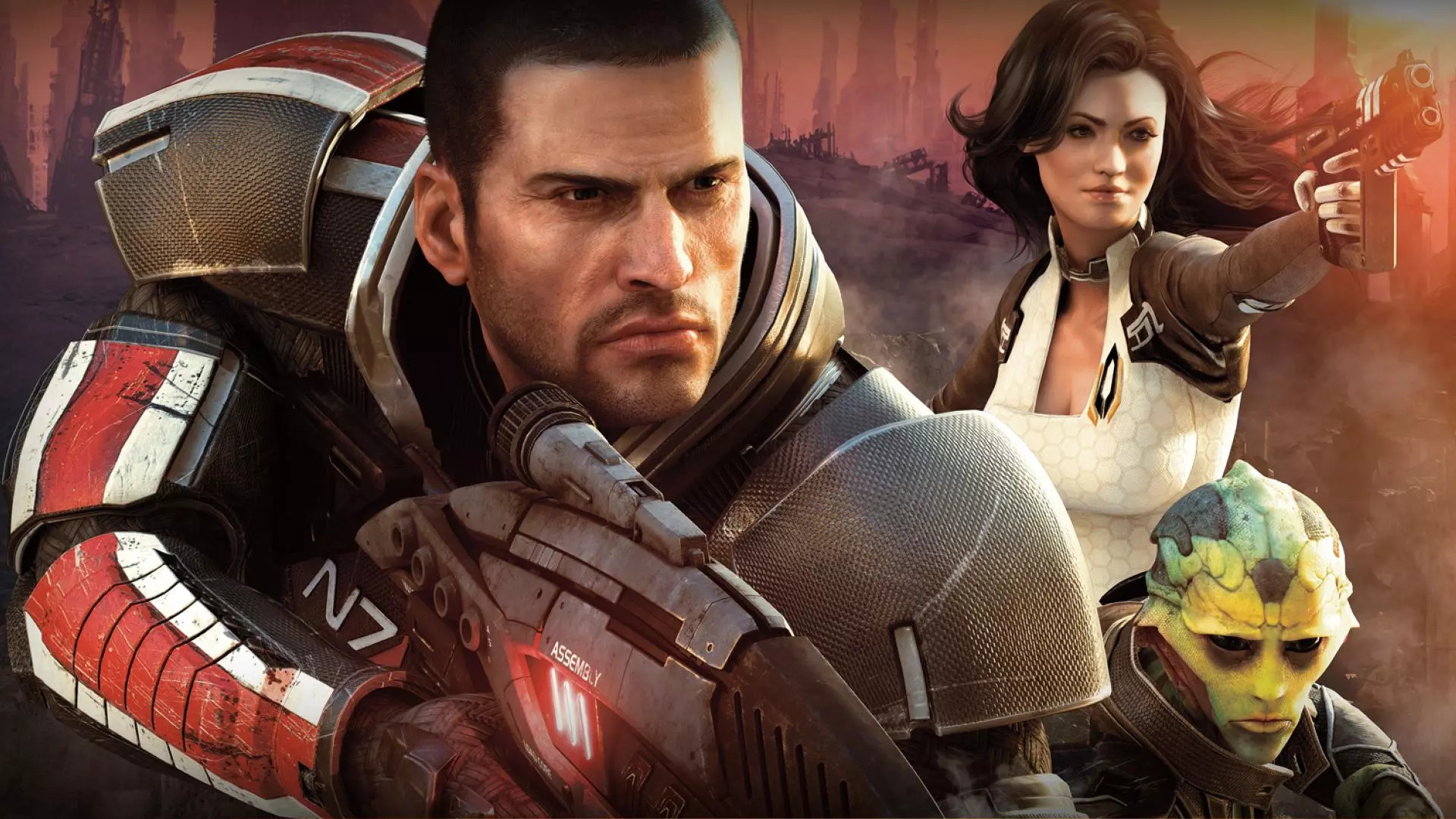
With the recent news of BioWare's closure, the future of its iconic intellectual properties, particularly 'Mass Effect,' has come into sharp focus. While EA retains ownership of the 'Mass Effect' universe, the cancellation of the next planned game installment leaves fans with a sense of loss and uncertainty. The publisher's apparent pivot towards sports, simulation, and shooter genres suggests a potential departure from the narrative-rich RPGs that defined BioWare's golden age. This strategic shift by EA casts a long shadow over the creative direction and potential for new experiences within the 'Mass Effect' saga.
Prime Video's 'Mass Effect' Series: A New Horizon Amidst Change
Despite the somber news surrounding BioWare, reports indicate that Amazon's Prime Video series, a 'Mass Effect' adaptation in development since 2024, will proceed as planned. Set in the aftermath of the original game trilogy, this television series aims to explore new narratives within the expansive universe. While this offers a glimmer of hope for fans eager to revisit the galaxy, the continuation of a story from a studio no longer in existence evokes a complex mix of emotions, highlighting the bittersweet reality of creative works outliving their original creators.
The Poignant Aftermath: A Franchise's Journey Without Its Architect
The continuation of a popular video game franchise in the absence of its founding studio carries a profound emotional weight. This situation is particularly poignant for 'Mass Effect,' reflecting a broader narrative of how Electronic Arts has managed BioWare. Critics often point to EA's history of acquiring studios renowned for their RPG expertise, only to gradually dismantle their core identity. This pattern suggests a focus on capitalizing on existing goodwill rather than fostering the unique creative environment that once made BioWare a titan in the industry, raising questions about the authentic preservation of its distinct narrative voice.
The Shadow of Disconnect: EA's Approach to Creative Development
The troubled development of past BioWare titles, such as 'Anthem,' serves as a stark reminder of the challenges faced by the studio under EA's purview. Numerous accounts from former developers highlight a disconnect between BioWare's creative vision and EA's corporate strategies. Critics, including former executive producer Mark Darrah, have characterized EA as a "hedge fund with a video game hobby," implying a primary focus on financial returns over creative investment. This perspective suggests that BioWare's struggles stemmed from a lack of strategic alignment and support for its inherent strengths in crafting deep, single-player RPG experiences.
'Dragon Age: The Veilguard': A Testament to Resilience and Misguided Lessons
The development journey of 'Dragon Age: The Veilguard' further illustrates the challenges BioWare encountered, initially conceived as a live-service title before reverting to a more traditional RPG format. Despite its eventual release garnering mixed reviews, the very fact that a functional action RPG emerged from such a tumultuous production is a testament to the resilience of the development team. However, EA's apparent takeaway—that the failure lay in not fully committing to the live-service model—underscores a fundamental misunderstanding of BioWare's established strengths in single-player, narrative-driven games, revealing a persistent gap in strategic vision.
The Final Chapter: 'Mass Effect' on Prime Video and BioWare's Enduring Legacy
The Amazon Prime Video deal for 'Mass Effect' appears to be the ultimate capitalization on a once-flourishing franchise, extracting the last vestiges of profitability from its name. Should the series succeed, its success will likely be attributed to the new creative teams involved, rather than the original visionaries at BioWare, further highlighting EA's detached relationship with the studio's legacy. However, BioWare's true impact will undoubtedly continue to resonate through the myriad of games it inspired, ensuring its creative spirit lives on, perhaps more purely, in the works of others than in its own franchised future.
About the author
Kim Swift
Video game designer known for pioneering work on "Portal," focusing on innovative puzzle mechanics.