Alexandra Pechman's 'Magazine' Captures the Bygone Era of 2010s Print Media at TIFF
ByRicky Gervais
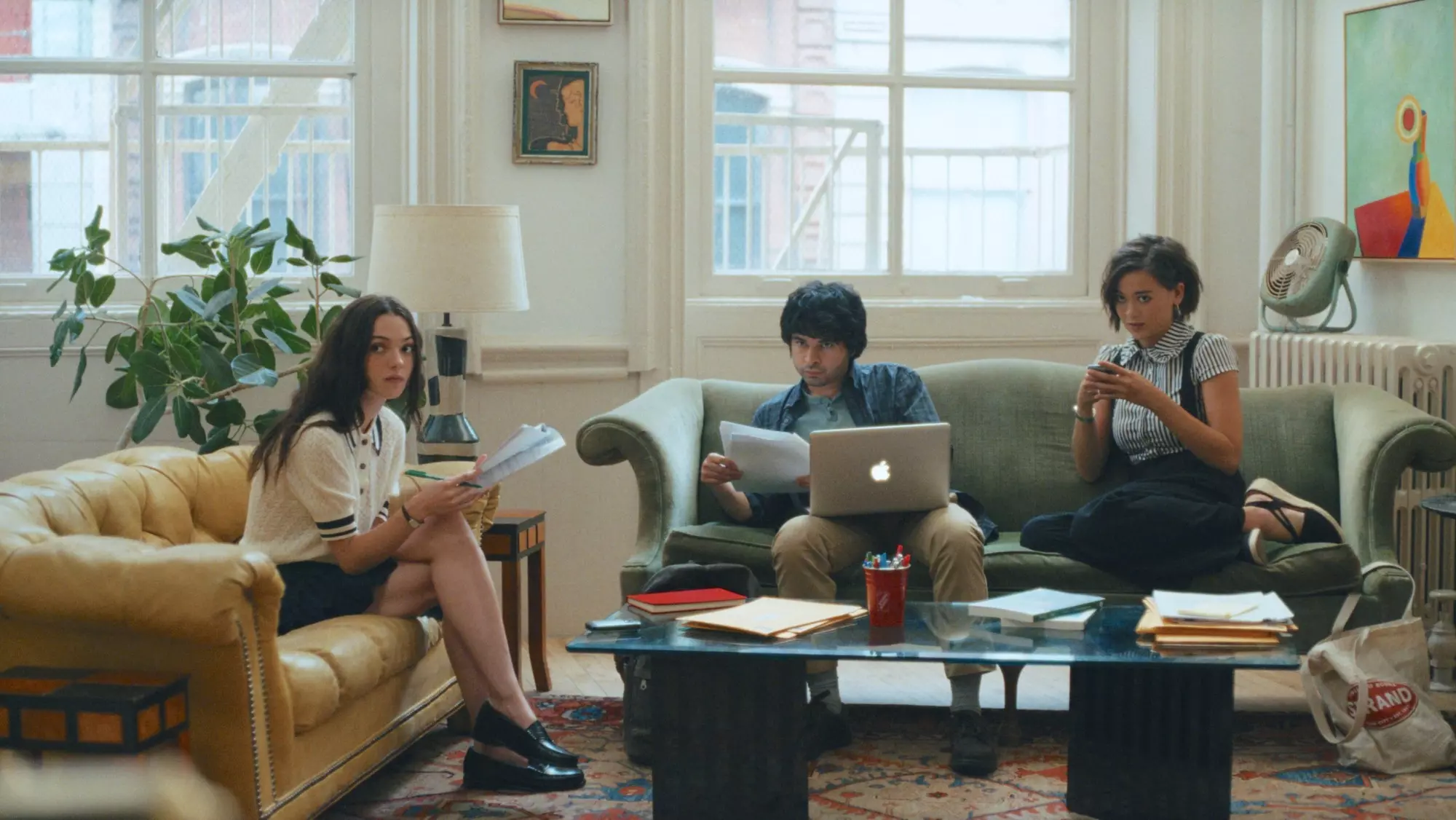
Alexandra Pechman's directorial debut, 'Magazine,' offers a nostalgic journey to the early 2010s New York media scene, a time when print magazines still held cultural sway, social media was burgeoning, and office interactions fostered a unique blend of messiness and magic. Premiering at the Toronto International Film Festival, the film intricately captures the essence of a bygone era through the eyes of a young intern navigating the ambitious and often pretentious world of a literary quarterly. Pechman, with her personal background in publishing, imbues the narrative with authenticity, highlighting the transitional period before digital dominance fully reshaped media and social dynamics, making it a compelling exploration of a recent yet distinctly different past.
The film distinguishes itself by focusing on the specific atmosphere of a literary magazine, rather than a more mainstream publication. This choice allows 'Magazine' to delve into a niche that, even then, derived its prestige from its traditional, somewhat anachronistic nature, perfectly encapsulating a time when print was struggling to maintain relevance against the rising tide of digital media. The production's meticulous attention to detail, from set design to costume choices, recreates the visual and tactile feel of the early 2010s, resonating with both those who lived through the era and younger audiences discovering its unique charm.
Revisiting the 2010s Media Landscape and Office Culture
Alexandra Pechman's 'Magazine' offers a vivid portrayal of the 2011 New York media scene, a pivotal moment where print journalism was struggling to maintain its relevance amidst the rise of digital platforms like Gawker and Twitter. The film centers on a budding poet's summer internship at 'Platen,' a literary magazine that embodies both aspiration and pretentiousness. Through her experiences, the audience witnesses the unique dynamics of a pre-#MeToo and pre-pandemic office environment, characterized by frequent in-person interactions, interoffice romances, and a distinct professional dress code. Pechman, leveraging her own past in publishing with internships at prestigious outlets, authentically reconstructs this era, highlighting the tactile experience of physical media and the complex social interactions that defined the workplace before the pervasive influence of remote work and heightened social awareness.
Pechman's film meticulously recreates the atmosphere of the early 2010s, emphasizing the aesthetic and social nuances of the time. The choice to set the narrative within a quarterly literary magazine rather than a more contemporary media outlet underscores the film's focus on a segment of publishing that was already somewhat of a throwback, deriving its identity from a sense of timelessness. This setting allows 'Magazine' to explore the charm and awkwardness of an era on the cusp of significant technological and social shifts. The production design, featuring Facebook Marketplace finds that lend an authentic patina to the sets, and the costume design, inspired by early 2010s fashion icons, collectively transport viewers back to a period where iPhones were not yet ubiquitous and the office was a primary hub for both professional and personal life. The film effectively captures the nostalgia for a less regulated, more spontaneous, and tactile culture that resonates deeply with audiences, particularly younger generations intrigued by a time preceding widespread digital dominance.
Authenticity and Nostalgia in Pechman's Directorial Vision
Drawing from her extensive background in magazine journalism, Alexandra Pechman brings a deeply personal and authentic vision to 'Magazine,' her feature directorial debut. Her intimate understanding of the New York publishing world in the early 2010s allows her to craft a narrative that feels both genuine and nostalgic. Pechman's inspirations, including films like 'Almost Famous' and 'The Last Days of Disco,' underscore her aim to evoke a similar sense of longing for a specific cultural moment. This personal connection is evident in her commitment to directing the film herself, ensuring that the nuances of this transitional period in media and social interaction are faithfully represented. The film serves as a time capsule, celebrating the "messiness and magic" of a pre-digital-saturation era, where human connections in the workplace were forged through different means and carried different implications.
Pechman's dedication to authenticity extends to every detail of 'Magazine,' from the period-specific props like BlackBerries and iPod earbuds to the meticulously crafted costume designs that reflect the fashion trends of the early 2010s. The film's setting within a somewhat anachronistic literary quarterly further emphasizes its themes of preserving a bygone era, portraying a publication that gained notoriety precisely because it felt "encased in amber." This deliberate choice highlights the film's exploration of nostalgia, not just for the audience but also within the narrative itself, as characters navigate a world on the brink of significant changes. The film's success in resonating with both those who lived through the 2010s and younger viewers discovering the era for the first time speaks to Pechman's ability to create a compelling and relatable portrait of a unique cultural moment, celebrating the tactile and authentic aspects of a time before pervasive digital influence.
About the author
Ricky Gervais
Comedian, writer, and actor who created "The Office" and writes provocatively on comedy and society.