AI in Gaming: A Double-Edged Sword for Beloved Franchises
ByRoberta Williams
A long-time enthusiast of the "Professor Layton" gaming saga finds themselves in a peculiar predicament. The news of new installments and remakes, which should ignite joy, instead sparks a profound sense of unease. This stems from the game developer, Level-5's, escalating adoption of artificial intelligence in its creative processes. While the excitement for the upcoming "Professor Layton and The New World of Steam," slated for December 10th, and a remake of "The Curious Village," expected in 2027, is palpable, a pervasive skepticism casts a shadow. This doubt, fueled by the developer's public embrace of AI, makes the author question the genuine artistic value and anticipated quality of these beloved titles. The remake, in particular, raises concerns about potential compromises in visual fidelity and narrative depth due to AI-generated elements, prompting a reevaluation of the fan's relationship with the franchise.
Level-5's AI Integration Casts Doubts on "Professor Layton" Remake
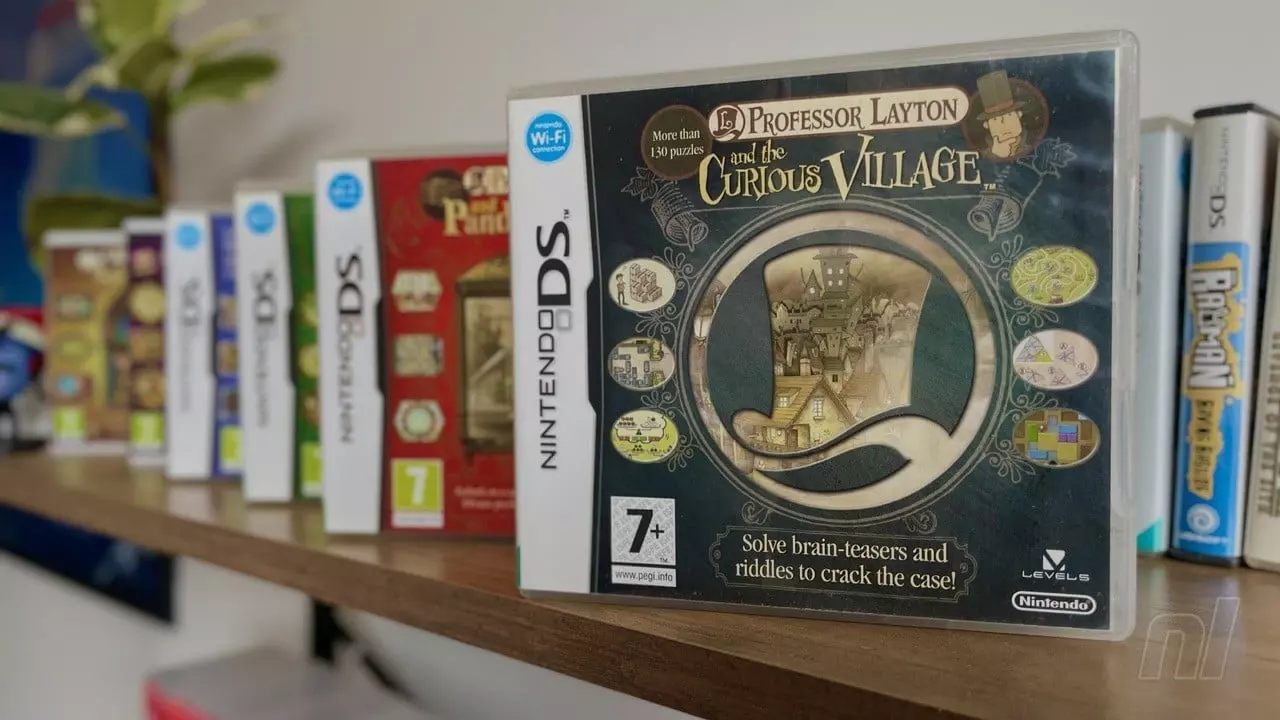
In a surprising turn of events for fans of the esteemed "Professor Layton" series, the announcement of a new entry, "Professor Layton and The New World of Steam," arriving on December 10th, and a remake of the inaugural title, "The Curious Village," set for 2027, has been met with a mix of anticipation and apprehension. The source of this mixed reception lies in developer Level-5's noticeable pivot towards integrating artificial intelligence into its game development workflow.
The author, a dedicated follower of the franchise since its inception, recounts their long-standing affection for the puzzle-adventure games. The original "Curious Village" holds a special place, being lauded for its concise narrative and engaging puzzles. However, recent observations regarding Level-5's use of AI have tempered this enthusiasm. During the "Vision 2026" showcase, where the remake was unveiled, the presentation itself notably featured AI-generated visuals and animations, including the CEO Akihiro Hino appearing in an AI-animated sequence against an AI-rendered backdrop. This extensive use of AI extended into game trailers, raising concerns about its implementation within the actual games.
Despite Level-5's assertion that "The New World of Steam" will not utilize AI, no such guarantee has been given for "The Curious Village" remake. The remake's trailer, highlighting "Enhanced exploration" and "High-resolution, widescreen animations," has further fueled skepticism. The author points out specific visual anomalies, such as distorted roof tiles, oddly rendered rose bushes, and an unusually elongated finger on a character model, suggesting AI-driven artistic alterations that detract from the original's charm and detail. The shift to 3D character models, reminiscent of later, less-favored entries in the series, also contributes to the unease.
This aggressive adoption of AI, following previous forays into controversial technologies like NFTs, has led to a significant erosion of trust between the developer and its loyal fanbase. While Level-5 did issue an apology for "causing distrust due to the immaturity of our AI utilisation" and pledged to limit AI use to efficiency improvements rather than direct user-facing content, the damage to fan confidence remains. The author articulates a reluctance to engage with the remake, fearing that the integrity of their cherished game will be compromised by what they perceive as a creatively diluted process.
The core message of the original "Professor Layton" games, which often celebrated human ingenuity and problem-solving, appears to be paradoxically undermined by the very studio bringing it back to life. This situation leaves fans questioning whether the magic and unique artistic vision that defined the series can truly be preserved in an increasingly AI-driven development landscape.
The dilemma presented by Level-5's enthusiastic adoption of AI in game development forces us to confront a pivotal question: at what point does technological innovation begin to compromise artistic integrity and the trust of an established fanbase? For many, the charm of video games lies not just in their playability but in the human creativity and meticulous craftsmanship that bring them to life. When elements, previously crafted with human touch and nuanced detail, are relegated to AI generation, the subtle imperfections and unique artistic choices that define a game's character can be lost. This narrative serves as a potent reminder for developers and publishers alike that while efficiency gains through AI are tempting, the long-term relationship with players is built on authenticity and a shared appreciation for human artistry. The industry stands at a crossroads, where balancing technological advancement with the preservation of creative soul will be paramount to maintaining player loyalty and the enduring legacy of beloved franchises.
About the author
Roberta Williams
Pioneer of graphic adventure games, co-founder of Sierra On-Line, and creator of "King's Quest."